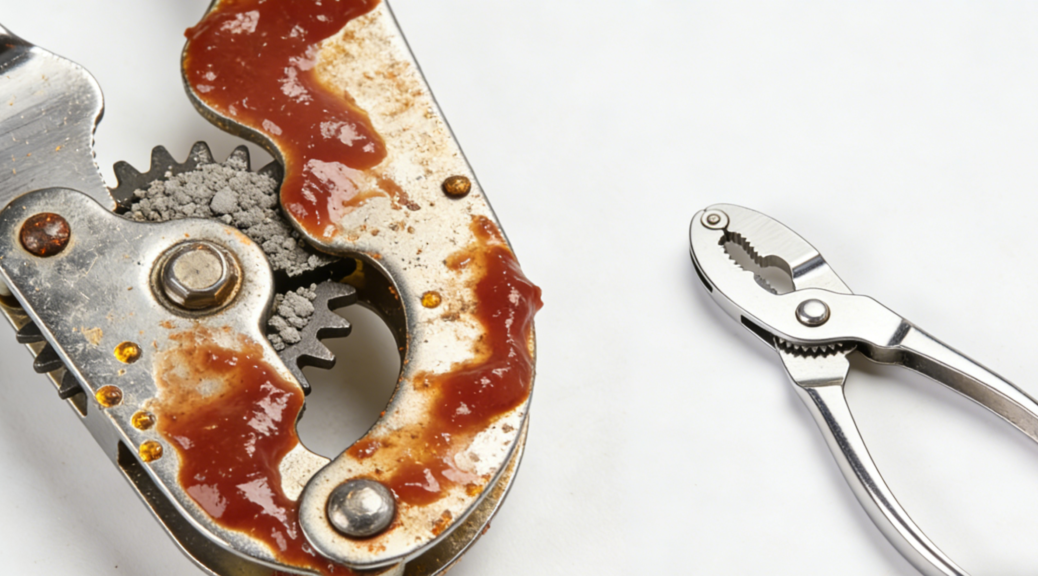
When you’re prepping a quick weeknight meal—whether it’s canned beans for chili, tuna for a sandwich, or broth for soup—your can opener is likely the last kitchen tool you think about cleaning. But this hardworking gadget harbors more grime than you’d expect, and a dirty can opener can silently ruin your food or even make you sick. Below are 5 surprising ways can openers get dirty, plus simple can opener cleaning tips to keep this essential tool sanitary for your next meal.
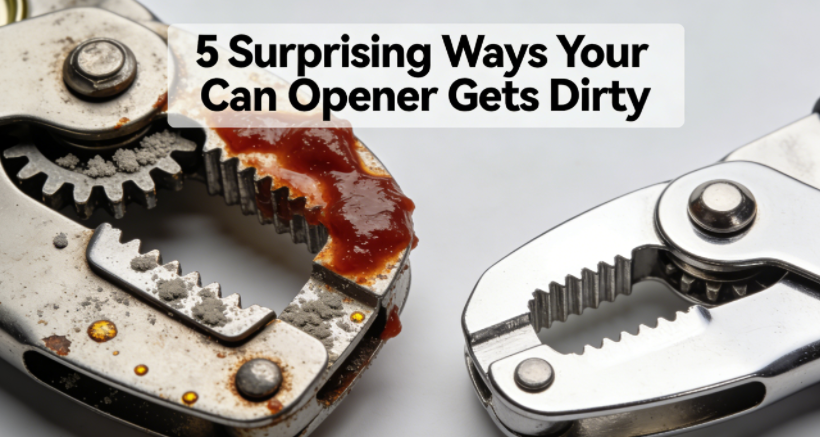
- Canned Food Residue Build-Up (The #1 Culprit)
Every time you pierce a can, tiny bits of food—think tomato sauce, tuna oil, bean juice, or starchy corn particles—stick to the opener’s blade and gears. Unlike plates or spoons that get washed right after use, can openers often get tossed back into a drawer while this residue is still wet. Over time, it dries into a sticky film that traps dust and bacteria, turning your go-to tool into a hidden germ hotspot. Even “dry” canned goods leave behind particles that accumulate, making regular can opener cleaning non-negotiable.
- Rust and Metal Shavings
Many budget can openers are made with low-grade steel that’s prone to rust, especially if you rinse them and leave them to air-dry without wiping. Rust flakes can mix with your next batch of canned food, posing a health risk, while even stainless steel models aren’t immune: friction from cutting creates micro metal shavings that cling to the tool’s surface. These shavings are invisible to the naked eye but can contaminate your meals—another reason why thorough can opener cleaning is a must for kitchen safety.
- Drawer Dust and Debris
Most Americans store their can openers in kitchen drawers, where they’re exposed to dust, crumbs, pet hair, and even leftover food particles that drift into the space. Every time you pull the opener out, these particles stick to its slightly sticky gears (thanks to that leftover food residue), creating a gross cycle: dust sticks to grime, and more grime sticks to dust. A dirty can opener stored in a cluttered drawer only gets worse over time, so proper storage after can opener cleaning is key.
- Cross-Contamination from Raw Foods
Cross-contamination is a hidden danger with dirty can openers. If you use your opener to open a can of raw tuna, then immediately use it to open a can of chickpeas or diced tomatoes without cleaning, you’re transferring raw fish proteins or meat juices to other foods. This increases the risk of foodborne illness, especially for households with kids, seniors, or immunocompromised family members. Sanitizing your can opener between uses—even for “safe” canned goods—prevents this risky transfer.
- Moisture Trapped in Gears
Can openers have small, hard-to-reach gears that trap moisture from rinsing, dishwashing, or even humid kitchen air. This dark, damp environment is a breeding ground for mold and bacteria like E. coli and salmonella. You might not see the mold, but it can cause off-flavors in your food—or worse, stomach cramps and nausea. Regular can opener cleaning that targets these hidden gears eliminates moisture and keeps germs at bay.
How to Clean Your Can Opener (In 2 Minutes or Less)
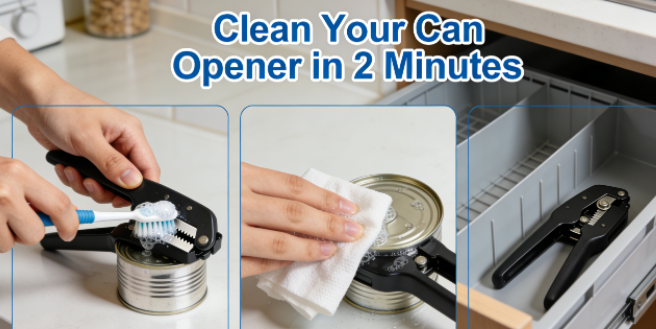
Keeping your can opener clean doesn’t have to be a chore—follow these simple steps for effective can opener cleaning:
- Manual models: Disassemble the blade if possible, then scrub the blade and gears with a toothbrush dipped in warm, soapy water. Pay extra attention to crevices where residue hides. Rinse thoroughly and dry immediately with a towel—never air-dry, as this leads to rust.
- Electric models: Wipe the blade and gears with a damp cloth soaked in white vinegar to cut through sticky residue and sanitize. Follow with a clean, dry cloth to remove moisture. Avoid submerging electric parts in water, as this can damage the tool.
- Weekly deep clean: Once a week, soak the removable blade (for manual openers) in a mixture of equal parts vinegar and water for 10 minutes to dissolve tough grime. Scrub, rinse, and dry for a like-new clean.
A clean can opener is just as important as a clean cutting board or knife for a safe kitchen. By addressing these 5 hidden dirt sources and making can opener cleaning a regular habit, you’ll protect your family from germs and keep your meals tasting fresh. Don’t let this overlooked tool become a health hazard—grab your toothbrush and vinegar, and give your can opener the cleaning it deserves.
Related Guides:
- Best Rated Can Openers 2026 (All Categories)
- Best Can Opener for Seniors with Weak Grip (2026 Top Picks)
- Best Can Opener for Arthritis Patients (2026 Pain-Free Picks)
- Best Can Opener for Stroke Survivors (2026 Easy-Use Picks)
- Best Electric Can Opener (2026 Top-Rated Automatic Models)
- Best Hands-Free Can Opener (2026 No-Grip Effort Models)
- Best Manual Can Opener (2026 Ergonomic Low-Effort Models)
- Best Sharp-Edge-Free Can Opener (2026 Safe No-Cut Models)