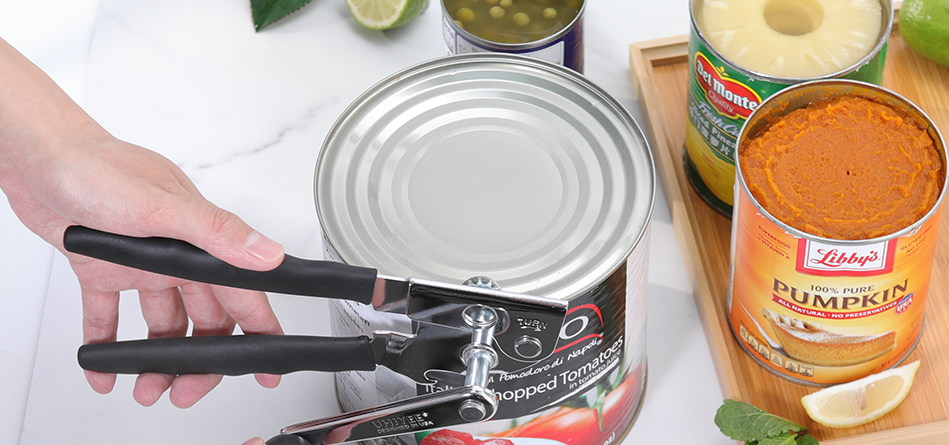
Sharp-edged can lids are a hidden kitchen hazard—each year, thousands of Americans end up with cuts or scrapes while opening canned foods, from tuna and beans to soups and vegetables. The good news? You don’t have to sacrifice safety for convenience. Whether you’re using a standard manual can opener, a specialized smooth-edge model, or even makeshift tools in a pinch, there are proven methods to open a can without leaving sharp edges. Below is a detailed guide to safe can opening, including step-by-step techniques, tool recommendations, and pro tips to keep your hands protected during meal prep.
Why Sharp Can Edges Are Dangerous (And Avoidable)
When you use a traditional can opener, it cuts through the top of the can lid, leaving a thin, jagged metal edge that’s easy to miss—until it slices your finger. These sharp edges can cause deep cuts, infections, or painful scrapes, especially for kids, seniors, or anyone with limited dexterity. The risk isn’t just from the lid itself: metal shavings from incomplete cuts can also contaminate your food, posing an additional health hazard.
The good news is that sharp edges are entirely avoidable. The key lies in choosing the right tool or mastering the correct technique for your existing opener. For American households, where canned foods are a staple of quick meals and emergency pantries, learning how to open a can without sharp edges is an essential kitchen skill that takes just minutes to master.
Method 1: Use a Smooth-Edge Can Opener (Best for Permanent Safety)
The most reliable way to open a can without sharp edges is to invest in a smooth-edge can opener—a specialized tool designed to cut along the side of the can lid instead of the top. These openers are widely available at Walmart, Amazon, and kitchen supply stores, and they’re worth the small investment (most cost 10–20). Here’s how to use one:
- Prep the Can: Wipe the can lid with a clean cloth to remove dust or debris. Place it on a flat, stable surface to prevent slipping.
- Position the Opener: Hold the smooth-edge can opener in your dominant hand. Locate the “hook” or “claw” that grips the can’s rim. Position this hook around the outer edge of the can’s side (not the top lid).
- Lock and Cut: Squeeze the opener’s handles to lock it onto the can. Turn the handle clockwise (most models) slowly and steadily. The opener will cut through the side of the lid, creating a smooth, dull edge.
- Remove the Lid: Once you’ve made a full circle, release the handles. The lid will be fully detached but may stick to the opener—gently lift it off and dispose of it safely. The can’s rim will be smooth to the touch, with no jagged edges.
Smooth-edge can openers work for all standard can sizes and are ideal for families with kids or anyone who prioritizes kitchen safety. Look for models with ergonomic handles for easier grip, especially if you have arthritis or weak hands.
Method 2: Master the Traditional Can Opener Technique (No New Tools Needed)
If you don’t want to buy a new opener, you can still open a can without sharp edges using a standard manual can opener—you just need to adjust your technique. Here’s how:
- Clean and Inspect Your Opener: Ensure your manual can opener is clean and sharp. Dull blades cause jagged cuts, so replace your opener if the blade is rusty or worn.
- Position Carefully: Place the can opener’s blade on the very outer edge of the can lid (not the center). Squeeze the handles tightly to lock it in place—loose positioning leads to uneven cuts.
- Cut Slowly and Steadily: Turn the handle clockwise at a consistent pace. Avoid rushing, as this can cause the blade to skip and create sharp spots.
- Stop Before the Full Cut: When you’re 1/4 inch from completing the circle, stop turning. The lid will be partially detached but still connected by a small piece of metal.
- Bend the Lid Inward: Use your fingers (or a spoon) to gently bend the lid’s edge inward. This flattens any sharp spots and creates a smooth rim. Lift the lid carefully and dispose of it.
This technique works because bending the lid inward dulls the metal edge. It’s important to stop before the full cut—completing the circle can leave the lid’s edge exposed and sharp. Practice with an empty can first to get the hang of the timing.
Method 3: Emergency Method (Use a Spoon or Butter Knife)
If you’re without a can opener (e.g., camping, power outage), you can still open a can without sharp edges using a spoon or butter knife. This method requires patience, but it’s safe when done correctly:
- Find a Sturdy Spoon/Knife: Use a metal spoon or butter knife (plastic won’t work). The thicker the metal, the easier it will be to cut through the lid.
- Create a Starting Point: Place the spoon’s edge (or the knife’s tip) on the outer edge of the can lid. Press down firmly to create a small indentation—this is your starting cut.
- Work Around the Lid: Once you have an indentation, use the spoon’s edge to “saw” back and forth along the lid’s outer edge. Apply gentle, consistent pressure. The metal will bend and eventually break.
- Bend the Edge Inward: As you cut, pause periodically to bend the lid’s edge inward with your fingers. This keeps the edge smooth and prevents sharp spots.
- Remove the Lid: Once you’ve gone around the entire can, lift the lid carefully. The edge will be dull from bending, so it won’t cut your hands.
This method is best for emergencies only, as it takes longer than using an opener. Avoid using a serrated knife, as it can create jagged edges.
Pro Tips for Safe Can Opening (No Sharp Edges Guaranteed)
- Avoid Electric Can Openers with Top-Cutting Blades: Many budget electric openers cut the top of the lid, leaving sharp edges. Opt for electric smooth-edge models if you prefer automatic tools.
- Store Cans Properly: Dented or swollen cans are harder to open evenly, leading to sharp edges. Store cans in a cool, dry place to prevent damage.
- Dispose of Lids Safely: Always flatten the lid before recycling or discarding it. This prevents it from cutting waste handlers or getting stuck in recycling machinery.
- Check for Metal Shavings: After opening, wipe the can’s rim with a clean cloth to remove any tiny metal shavings that may have fallen into the food.
Final Thoughts
Learning how to open a can without leaving sharp edges is a simple but life-changing kitchen skill. Whether you choose a smooth-edge can opener for permanent safety, adjust your traditional opener technique, or use a spoon in an emergency, the goal is the same: to protect your hands and keep your food safe. For American families, where canned foods are a pantry staple, this skill is especially valuable—saving you from painful cuts and ensuring meal prep is stress-free.
Don’t let sharp can edges ruin your cooking experience. Invest in a smooth-edge opener, practice the traditional technique, or keep a sturdy spoon handy for emergencies. With these methods, you’ll never have to worry about accidental cuts again. Safe can opening isn’t just a luxury—it’s a necessity, and it’s easier than you think.
Related Guides:
- Best Rated Can Openers 2026 (All Categories)
- Best Can Opener for Seniors with Weak Grip (2026 Top Picks)
- Best Can Opener for Arthritis Patients (2026 Pain-Free Picks)
- Best Can Opener for Stroke Survivors (2026 Easy-Use Picks)
- Best Electric Can Opener (2026 Top-Rated Automatic Models)
- Best Hands-Free Can Opener (2026 No-Grip Effort Models)
- Best Manual Can Opener (2026 Ergonomic Low-Effort Models)
- Best Sharp-Edge-Free Can Opener (2026 Safe No-Cut Models)