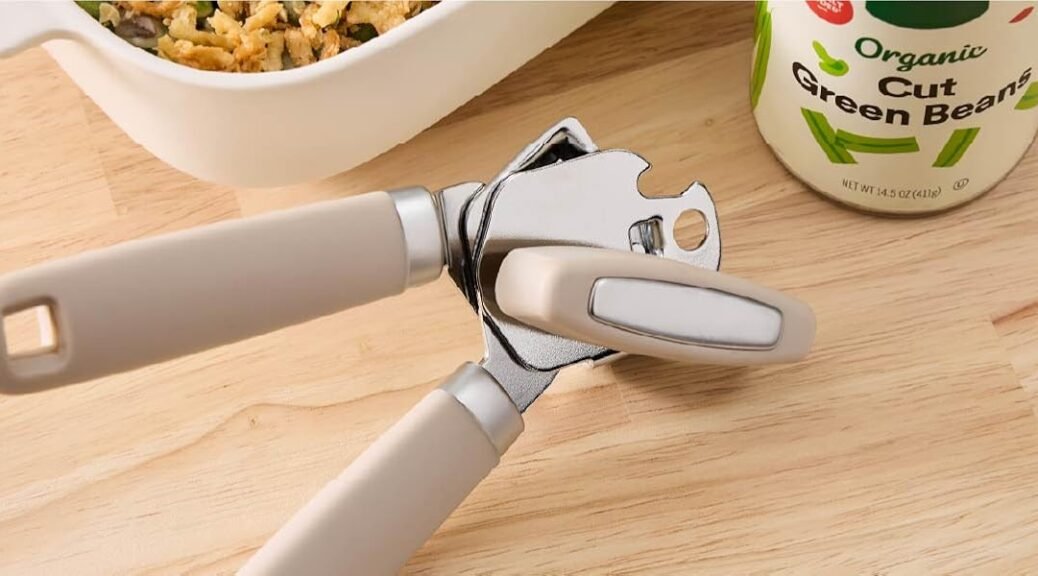
When prepping meals, most Americans prioritize washing dishes, wiping countertops, and rinsing produce—but the humble can opener often gets overlooked. A common kitchen debate arises: Should I wash the can opener before using it? The short answer from food safety experts is yes—and here’s why. A dirty can opener is a breeding ground for bacteria, mold, and food residue that can contaminate your meals, leading to foodborne illness. Below is a detailed breakdown of why washing your can opener before use is non-negotiable, how to do it properly, and common myths debunked to keep your kitchen safe.
Why Washing a Can Opener Before Use Matters
Can openers are one of the most germ-prone tools in American kitchens—and for good reason. Every time you use a can opener, tiny bits of food (tuna oil, tomato sauce, bean juice) stick to the blade and gears. When you toss the opener back into a drawer without cleaning, these residues dry into a sticky film that traps dust, debris, and bacteria like E. coli, salmonella, and mold spores.
The next time you use the unwashed can opener, those germs transfer directly to the can’s lid—and then into your food. This cross-contamination is especially risky for high-risk groups: children, seniors, pregnant people, and anyone with a compromised immune system. A 2019 study by the National Sanitation Foundation (NSF) ranked can openers as the third dirtiest kitchen tool, behind only dish sponges and kitchen sinks. This data proves that skipping a pre-use wash isn’t just a habit—it’s a health hazard.
For canned foods that are eaten raw (like tuna or canned fruit) or lightly cooked (like beans added to salads), the risk is even higher. Bacteria on the can opener can multiply rapidly in these foods, leading to nausea, vomiting, diarrhea, or worse. Even “shelf-stable” canned goods aren’t immune—while the canning process kills most bacteria, the lid can become contaminated during opening if the tool is dirty.
Common Myths About Can Opener Hygiene
Many people skip washing their can opener before use because of these common misconceptions—let’s set the record straight:
- Myth 1: “Canned food is sterile, so the opener doesn’t need cleaning.”
Fact: Canned food is sterile inside the can, but the lid’s exterior is exposed to dust, hands, and storage debris. The can opener touches the lid’s outside (which is dirty) and then the inside (which contacts your food)—making pre-use cleaning essential.
- Myth 2: “I cleaned it after last use, so it’s safe.”
Fact: Even if you cleaned the opener post-use, it can pick up germs from drawer dust, pet hair, or other utensils during storage. A quick pre-use wash removes these hidden contaminants.
- Myth 3: “Rinsing with water is enough.”
Fact: Water alone won’t cut through dried food residue or kill bacteria. You need soap (or vinegar) to break down grime and sanitize the surface.
- Myth 4: “Electric can openers can’t be washed.”
Fact: While you shouldn’t submerge electric can openers, you can (and should) wipe the blade and gears with a soapy cloth or vinegar-soaked pad before use. Most electric models have removable blades for easier cleaning.
How to Wash a Can Opener Before Use
Washing your can opener before use doesn’t have to be time-consuming—follow these steps for a thorough clean in 60 seconds:
For Manual Can Openers:
- Rinse First: Hold the can opener under warm running water to loosen surface debris.
- Scrub with Soap: Use a small brush (like a toothbrush) dipped in warm, soapy water to scrub the blade, gears, and handle. Pay extra attention to crevices where residue hides.
- Sanitize (Optional but Recommended): For an extra layer of protection, wipe the blade with a cloth soaked in white vinegar or a food-safe sanitizer. Vinegar kills bacteria and cuts through sticky grime.
- Dry Thoroughly: Pat the can opener with a clean towel to remove moisture. Wet blades are prone to rust and mold growth.
For Electric Can Openers:
- Unplug First: Always disconnect the opener from the power source before cleaning.
- Wipe the Blade: Use a damp, soapy cloth to wipe the cutting blade and feed wheel. Avoid getting water near the motor or electrical components.
- Sanitize: Dab a cotton ball in vinegar and wipe the blade to kill germs.
- Dry Immediately: Use a dry cloth to remove all moisture—electric openers are susceptible to water damage.
Post-Use Cleaning: The Other Half of Can Opener Hygiene
While pre-use washing is critical, post-use cleaning is just as important to prevent long-term grime buildup. After opening a can:
- Scrub the can opener with soapy water and a brush.
- Rinse thoroughly and dry completely (never air-dry, as this causes rust).
- Store it in a dry drawer or utensil holder—avoid damp areas like under the sink.
For a deep clean, soak the removable blade (on manual openers) in a mixture of equal parts vinegar and water for 10 minutes once a week. This dissolves tough residue and sanitizes the tool.
Final Verdict: Yes, Wash Your Can Opener Before Use
The answer to “Should I wash the can opener before using it?” is a resounding yes. It’s a quick, simple step that protects your family from foodborne illness and keeps your kitchen hygienic. With can openers ranking among the dirtiest kitchen tools, skipping this step is a risk not worth taking.
Whether you’re making a quick tuna sandwich, a pot of chili, or a salad with canned beans, take 60 seconds to wash your can opener first. Use soap, scrub the gears, and dry thoroughly—your health depends on it. Food safety experts agree: A clean can opener is just as important as a clean cutting board or knife.
Don’t let this overlooked tool become a germ hotspot. Make washing your can opener before use a non-negotiable part of your meal prep routine. Your stomach (and your family) will thank you.
Related Guides:
- Best Rated Can Openers 2026 (All Categories)
- Best Can Opener for Seniors with Weak Grip (2026 Top Picks)
- Best Can Opener for Arthritis Patients (2026 Pain-Free Picks)
- Best Can Opener for Stroke Survivors (2026 Easy-Use Picks)
- Best Electric Can Opener (2026 Top-Rated Automatic Models)
- Best Hands-Free Can Opener (2026 No-Grip Effort Models)
- Best Manual Can Opener (2026 Ergonomic Low-Effort Models)
- Best Sharp-Edge-Free Can Opener (2026 Safe No-Cut Models)