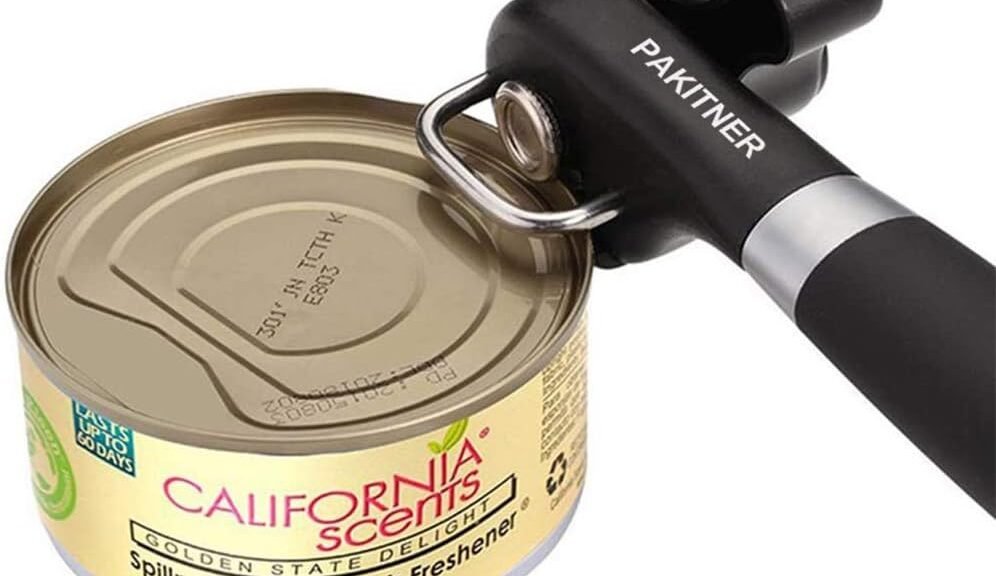
Side-cut manual can openers (also called “side-winder” or “edge-cut” models) are a game-changer in American kitchens—loved for their ability to leave smooth, safe edges on can lids, unlike traditional top-cut openers that create jagged metal rims. These handy tools cut along the side of the can’s lid instead of the top, making them ideal for families with kids, seniors, or anyone tired of accidental cuts. Yet many home cooks struggle to use side-cut manual can openers correctly, leading to slipping, incomplete cuts, or frustration. Below is a detailed, step-by-step guide to mastering proper side-cut can opener usage, plus pro tips to ensure safe, efficient results every time.
Why Side-Cut Manual Can Openers Are a Kitchen Must-Have
Before diving into the steps, let’s explore why side-cut models have become a staple in American households. Unlike traditional top-cut openers, side-cut can openers slice through the thin metal where the lid meets the can’s body—this design eliminates sharp edges entirely, as the lid remains intact and the can’s rim is left smooth to the touch. They’re also more ergonomic: most feature comfortable, non-slip handles that require less grip strength, making them accessible for people with arthritis or weak hands.
Side-cut manual can openers are also durable and low-maintenance—no batteries or electricity needed, just simple mechanical action. They work on all standard can sizes, from small tuna cans to large soup cans, and are compact enough to store in drawers or utensil caddies. For anyone prioritizing kitchen safety or tired of dealing with sharp can lids, a side-cut manual can opener is an essential upgrade from traditional models.
Step-by-Step: How to Use a Side-Cut Manual Can Opener Properly
Using a side-cut manual can opener correctly is straightforward once you master the positioning and technique. Follow these exact steps for smooth, frustration-free can opening:
Step 1: Prep the Can and Can Opener
Start with a clean, stable workspace to prevent slipping. First, inspect your side-cut manual can opener: ensure the cutting wheel and gear are sharp, clean, and free of rust or food residue (a dirty opener will slip or struggle to cut). If needed, wipe the tool with a damp cloth soaked in warm, soapy water and dry thoroughly. Next, prepare the can: wipe the lid and side rim with a dry cloth to remove dust, grease, or debris. Avoid using dented or swollen cans—dents can throw off the opener’s alignment, and swollen cans may contain harmful bacteria. Place the can on a flat, non-slip surface (a rubber mat works great if your countertop is slippery).
Step 2: Position the Opener on the Can’s Side
Hold the side-cut can opener in your dominant hand and the can in your non-dominant hand. Locate the two key parts of the opener: the cutting wheel (sharp, circular metal piece) and the guide wheel (grooved wheel that grips the can’s rim). Position the opener so the guide wheel rests against the outer side of the can’s rim (where the lid meets the can body), and the cutting wheel is aligned just above the rim, touching the thin metal seam.
The goal is to “hook” the opener onto the can’s side—you’ll feel a slight “click” when the guide wheel fits into the groove of the rim. This is the correct positioning: if the opener is too high or too low, it will slip or fail to cut. Keep the opener perpendicular to the can (not tilted) to ensure even pressure.
Step 3: Lock the Opener and Start Turning
Once the side-cut can opener is properly positioned, squeeze the handles firmly to lock the cutting wheel and guide wheel onto the can’s rim. Tension is key here—loose handles will cause the opener to slip mid-cut. With your dominant hand, begin turning the opener’s crank clockwise (most side-cut models are designed for clockwise use; check the manufacturer’s instructions if you’re unsure). Turn the crank slowly and steadily—there’s no need to rush. You’ll hear a smooth, consistent “whirring” sound as the cutting wheel slices through the metal seam.
As you turn, keep your non-dominant hand gently pressing the can against the countertop to prevent it from spinning. The opener will naturally move around the can’s side as you crank—let it glide smoothly without forcing it. If you feel resistance, stop and check the positioning: the guide wheel may have slipped out of the rim’s groove. Reposition and lock the opener before continuing.
Step 4: Complete the Cut and Remove the Lid
Continue turning the crank until the cutting wheel has made a full circle around the can’s side. You’ll know the cut is complete when the opener’s crank spins freely with no resistance. Release the handles and lift the opener away from the can— the lid will be fully detached but may still be sitting on top of the can (it won’t fall into the food, thanks to the side-cut design). Gently lift the lid off and dispose of it (or recycle it if your local program accepts metal lids). The can’s rim will be smooth to the touch—no sharp edges to worry about!
Step 5: Clean and Store Properly
After use, clean your side-cut manual can opener to maintain its performance. Wipe the cutting wheel and guide wheel with a damp cloth soaked in warm, soapy water to remove food residue. For tough grime, use a toothbrush to scrub crevices. Rinse thoroughly and dry completely with a towel—never air-dry, as moisture can cause rust. Store the opener in a dry drawer or utensil holder, away from damp areas like under the sink.
Pro Tips for Proper Side-Cut Can Opener Usage
- Avoid Over-Tightening: Squeezing the handles too hard can bend the cutting wheel or damage the can’s rim. Use just enough pressure to lock the opener in place.
- For Large or Heavy Cans: Place the can on a stable surface and brace it with one hand while cranking with the other—this prevents the can from tipping over.
- Sharpen Dull Blades: If your side-cut opener starts to struggle, sharpen the cutting wheel with a small metal file or replace the wheel (many models have replaceable parts).
- Test for Alignment: If the opener slips repeatedly, check that the guide wheel is fully seated in the can’s rim groove. Adjust the positioning slightly until it locks in place.
Common Mistakes to Avoid
- Tilting the Opener: Keeping the opener perpendicular to the can is critical—tilting it will cause uneven cuts or slipping.
- Rushing the Crank: Turning too fast leads to incomplete cuts or the opener jumping off the rim. Slow, steady turns are best.
- Using Dirty or Dull Tools: Food residue or dull blades make the opener work harder and increase the risk of accidents. Clean and sharpen regularly.
Final Thoughts
Learning how to use a side-cut manual can opener properly is a simple skill that transforms meal prep from risky to stress-free. These tools offer the perfect combination of safety, convenience, and durability—making them a must-have for any American kitchen. Whether you’re opening canned beans for chili, tuna for sandwiches, or broth for soup, a side-cut manual can opener ensures smooth edges and easy handling every time.
With the step-by-step guide above, you’ll master proper side-cut can opener usage in no time. Remember to prioritize positioning, maintain steady pressure, and keep your tool clean—these small steps make all the difference. Say goodbye to sharp edges and hello to safe, efficient can opening with a side-cut manual can opener. Your hands (and your family) will thank you.
Related Guides:
- Best Rated Can Openers 2026 (All Categories)
- Best Can Opener for Seniors with Weak Grip (2026 Top Picks)
- Best Can Opener for Arthritis Patients (2026 Pain-Free Picks)
- Best Can Opener for Stroke Survivors (2026 Easy-Use Picks)
- Best Electric Can Opener (2026 Top-Rated Automatic Models)
- Best Hands-Free Can Opener (2026 No-Grip Effort Models)
- Best Manual Can Opener (2026 Ergonomic Low-Effort Models)
- Best Sharp-Edge-Free Can Opener (2026 Safe No-Cut Models)