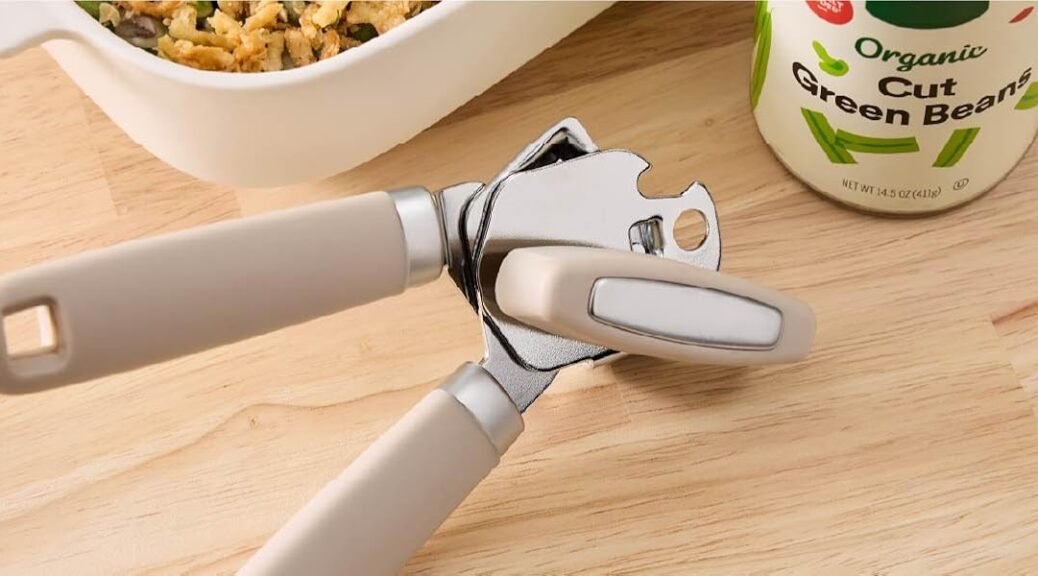
Opening cans is a routine kitchen task for most American households, but it’s one that often goes overlooked—until you’re struggling with a stiff wrist, sore fingers, or a tool that slips mid-use. For anyone who opens cans regularly, or who lives with arthritis, carpal tunnel, or limited hand strength, a standard can opener can turn a simple chore into a painful hassle. That’s where ergonomic can openers come in. Designed to reduce physical strain and improve usability, these tools are a game-changer for comfortable, safe can opening. In this guide, we’ll answer “What is an ergonomic can opener?” in detail, break down its key design features, explain who benefits most from it, share how to choose the right one, and highlight top picks for the American market—all with SEO-friendly insights to help you find the perfect solution for your kitchen.
What Is an Ergonomic Can Opener, Exactly?
An ergonomic can opener is a kitchen tool engineered to fit the natural shape and movement of the human hand and body, minimizing physical effort, strain, and discomfort during use. Unlike traditional can openers—which often have narrow, hard handles, awkward angles, or require excessive squeezing—ergonomic models prioritize user comfort and efficiency. The term “ergonomic” refers to the design that adapts to the user, rather than forcing the user to adapt to the tool. This means they’re easier to grip, require less force to operate, and reduce the risk of repetitive strain injuries (RSIs) that can come from regular use of poorly designed tools.
Ergonomic can openers come in both manual and electric versions, and they’re compatible with most standard can sizes (from small tuna cans to large soup cans). They’re particularly popular among Americans with mobility issues, seniors, busy parents who open multiple cans daily, and anyone who values comfort in their kitchen tools.
Key Ergonomic Design Features to Look For
The best ergonomic can openers share specific design elements that set them apart from traditional models. These features are tailored to reduce strain and improve usability:
- Soft, Non-Slip Grips: This is the most defining feature of an ergonomic can opener. Handles are covered in soft, rubberized or silicone material that provides a secure grip—even if your hands are wet or shaky. The grips are also often contoured to fit the shape of your palm and fingers, distributing pressure evenly and reducing fatigue.
- Wide, Padded Handles: Narrow handles dig into your hands and require more force to squeeze. Ergonomic models have wide, padded handles that spread out the pressure, making them more comfortable to hold for extended periods. For manual openers, this is crucial for reducing finger and wrist strain.
- Optimal Leverage & Angled Design: Ergonomic can openers are designed to maximize leverage, so you need less force to cut through can lids. Many manual models have an angled head that allows you to hold the opener in a more natural wrist position (avoiding the awkward bending that causes strain). Electric models take this a step further by eliminating the need for squeezing or cranking entirely.
- Smooth-Edge Cutting Mechanism: While not exclusive to ergonomic models, smooth-edge cutting is a common feature. By cutting along the side of the can instead of the top, it leaves no sharp edges—reducing the risk of cuts and eliminating the need for risky prying. This is especially beneficial for those with limited dexterity.
- Lightweight Construction: Heavy can openers are tiring to hold and maneuver. Ergonomic models are typically made from lightweight materials (like aluminum or high-quality plastic) that make them easy to handle, even for those with weak hand strength.
- Easy-to-Turn Cranks (for Manual Models): Manual ergonomic openers have cranks that are large, easy to grip, and spin smoothly with minimal resistance. Some even have a rotating crank that allows you to turn it with your whole hand instead of just your fingers, reducing strain.
Who Benefits Most from an Ergonomic Can Opener?
While anyone can enjoy the comfort of an ergonomic can opener, certain groups of Americans will find them especially valuable:
- Seniors & Those with Arthritis/Carpal Tunnel: These groups often struggle with hand strength, dexterity, and joint pain. Ergonomic features like soft grips, wide handles, and reduced force requirements make opening cans possible without pain or assistance.
- Frequent Can Users: Busy parents, meal preppers, and anyone who cooks with canned ingredients daily (beans, tomatoes, soups, tuna) will benefit from the reduced fatigue that ergonomic models provide. Repetitive use of a traditional opener can lead to RSIs, which ergonomic designs help prevent.
- Individuals with Limited Hand Strength or Mobility: Whether due to injury, disability, or chronic conditions, those with weak hands or limited mobility will find ergonomic can openers far easier to use than standard models. Electric ergonomic versions are especially helpful here.
- Chefs & Home Cooks: Professional chefs and avid home cooks who open dozens of cans weekly rely on tools that are comfortable and efficient. Ergonomic can openers help them work faster without straining their hands.
Manual vs. Electric Ergonomic Can Openers: Which Is Better?
Both manual and electric ergonomic can openers have their advantages—choosing the right one depends on your needs and preferences:
Manual Ergonomic Can Openers
Best for: Anyone who prefers portability (they work without electricity or batteries), has limited counter space, or only opens cans occasionally. They’re also more affordable (typically $10–$30) and easy to store in a drawer. Top manual models, like the OXO Good Grips Smooth Edge Can Opener, have all the key ergonomic features (soft grips, wide handles, smooth cranks) and are perfect for those with mild to moderate hand strain.
Electric Ergonomic Can Openers
Best for: Seniors, those with severe arthritis or limited hand strength, and frequent can users. Electric models require almost no physical effort—just place the can under the lever, press a button, and let the tool do the work. They often include extra features like built-in magnets (to hold lids) and smooth-edge cutting. They’re more expensive ($20–$60) but worth the investment for those who struggle with manual tools. Popular options include the Black+Decker Lids Off One-Touch Opener and the Hamilton Beach Smooth Touch Opener.
Top Ergonomic Can Openers for American Households
Based on ergonomic design, user reviews, and compatibility with American kitchen needs, these are the top picks:
- 1. OXO Good Grips Smooth Edge Can Opener (Manual): A fan favorite for its soft, non-slip handles that fit comfortably in any hand size. It has a smooth-edge cutting mechanism, a large, easy-to-turn crank, and a magnet to hold the lid. Priced at $15–$20, it’s affordable and durable—perfect for most households.
- 2. Black+Decker Lids Off One-Touch Electric Can Opener (Electric): This ergonomic electric model features one-touch operation, a smooth-edge cut, and a magnet lid holder. It has a compact design that saves counter space and is extremely easy to use—ideal for seniors. Priced at $25–$35.
- 3. Zyliss E980049 Ergonomic Can Opener (Manual): Known for its unique “side-wind” crank that allows you to turn it with your whole hand, reducing finger strain. It has soft, contoured grips and a smooth-edge cutting system. It’s lightweight and works on all standard can sizes. Priced at $12–$20.
- 4. Hamilton Beach Smooth Touch Electric Can Opener (Electric): A budget-friendly electric option with ergonomic features like a large, easy-to-lower lever (requires minimal force) and quiet operation. It has a smooth-edge cut and a built-in knife sharpener for added value. Priced at $20–$30.
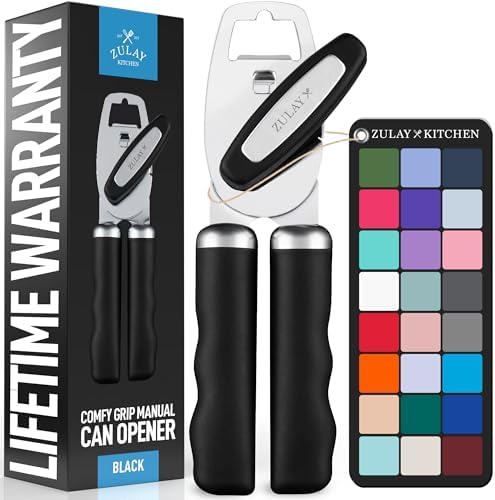
- The stainless steel blades are made to last, tested with rigorous quality controls; You can be certain you are getting a…
- Soft, slip-resistant handles give you control without the strain
- The top doubles as a powerful bottle opener—quick and reliable
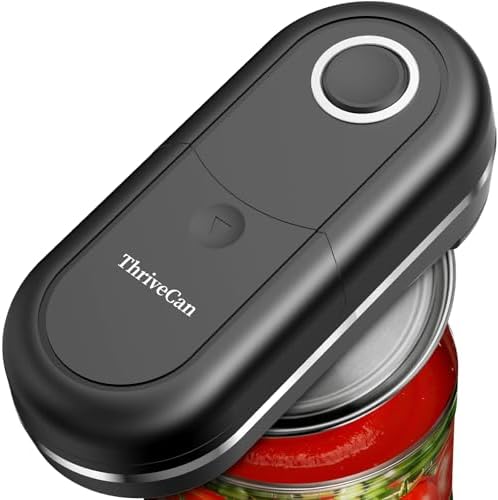
- ⚡ Effortless One-Touch Operation:Simply press the button and the can opener runs automatically—no need to hold the can o…
- 🛡️ Safety-First Smooth Edge Cutting:ThriveCan electric can opener uses side-cutting technology to create smooth, burr-fr…
- 📏 Works with Most Standard Can Sizes:Compatible with nearly all standard cans, from small spice cans to large family-siz…

- Plastic
- ELIMINATES SHARP LID EDGES — This electric can opener cuts cans along the side for smooth, touchable lids. The lid can b…
- EASILY OPEN CANS WITH ONE HAND: Designed with an easy-touch opening lever, this Hamilton Beach can opener easily opens c…

- Set includes Peeler, Can Opener and Whisk
- Swivel Peeler has Japanese stainless steel blade
- Can Opener has soft handles and knob for comfort and ease
FAQs About Ergonomic Can Openers (Answered for Americans)
Q: Are ergonomic can openers more expensive than traditional ones? A: Yes, but not drastically. Manual ergonomic models cost $10–$30 (vs. $5–$10 for traditional), and electric ones cost $20–$60. The extra cost is worth it for the comfort and reduced strain, especially for frequent use.
Q: Do ergonomic can openers work on all can sizes? A: Most work with standard sizes (3 ounces to 64 ounces). Some manual models may struggle with very large #10 cans, so check the manufacturer’s specs if you use bulk cans often.
Q: Are they easy to clean? A: Yes! Most manual models are dishwasher-safe (top rack only), and electric models have removable parts or easy-to-wipe surfaces. Always clean the cutting mechanism after use to prevent food buildup.
Q: Can ergonomic can openers prevent carpal tunnel or arthritis pain? A: They can help reduce symptoms and prevent further strain. By reducing the force and awkward movements required to open cans, they minimize stress on the wrists and fingers—key for managing or preventing these conditions.
Final Thoughts
An ergonomic can opener is more than just a “fancy” kitchen tool—it’s an investment in comfort, safety, and long-term hand health. By adapting to the natural shape and movement of your hand, these tools turn a potentially painful chore into a quick, easy task. Whether you choose a manual model for portability or an electric one for maximum ease, an ergonomic can opener is a must-have for any American household where comfort and usability matter.
If you’re tired of struggling with stiff wrists or sore fingers every time you open a can, it’s time to switch to an ergonomic model. The top picks above are available at major U.S. retailers like Amazon, Walmart, and Target, making them easy to purchase and start using right away.
Have more questions about choosing the best ergonomic can opener for your needs? Leave a comment below, and we’ll help you out!
Related Guides:
- Best Rated Can Openers 2026 (All Categories)
- Best Can Opener for Seniors with Weak Grip (2026 Top Picks)
- Best Can Opener for Arthritis Patients (2026 Pain-Free Picks)
- Best Can Opener for Stroke Survivors (2026 Easy-Use Picks)
- Best Electric Can Opener (2026 Top-Rated Automatic Models)
- Best Hands-Free Can Opener (2026 No-Grip Effort Models)
- Best Manual Can Opener (2026 Ergonomic Low-Effort Models)
- Best Sharp-Edge-Free Can Opener (2026 Safe No-Cut Models)