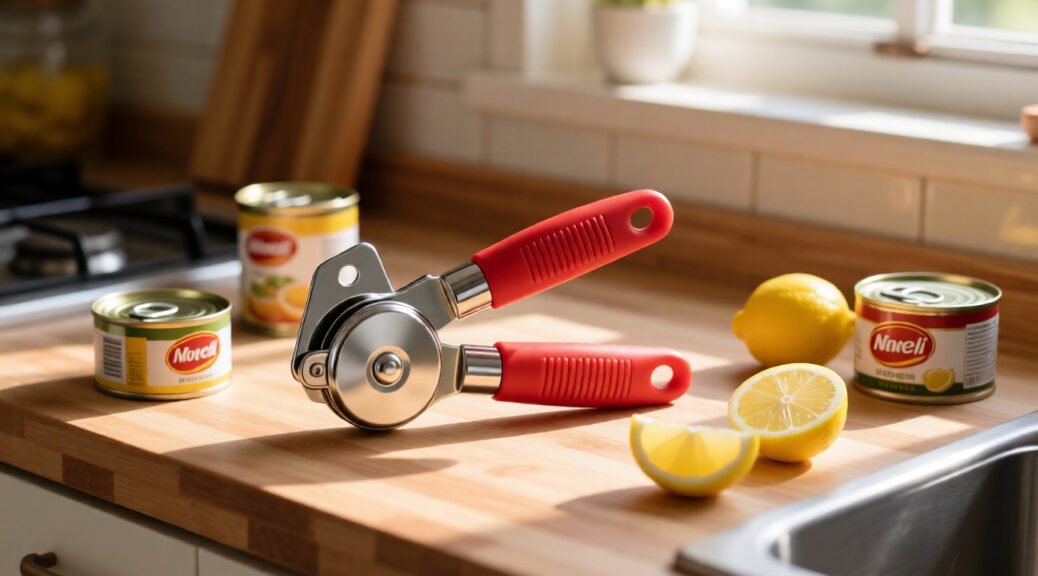
Canned foods are a staple in American kitchens, and the can opener is a tool we reach for daily—yet it’s often one of the most overlooked when it comes to cleaning. Food residue, oil, and bacteria can build up in the nooks and crannies of your can opener over time, turning this handy tool into a hidden source of contamination. Proper cleaning not only keeps your food safe but also extends the life of your opener, whether it’s manual, electric, or ergonomic. In this guide, we’ll walk you through how to clean a can opener properly, covering different types of openers common in U.S. households, sharing sanitization tips, and answering frequently asked questions—all with SEO-friendly insights to help you maintain a hygienic kitchen.
Why Proper Can Opener Cleaning Matters
You might not realize it, but every time you open a can, food particles (especially sticky or oily ones like tuna, soup, or beans) get trapped in the opener’s cutting mechanism, gears, and handles. These residues create a breeding ground for harmful bacteria like Salmonella and E. coli, which can transfer to your next can of food and cause foodborne illnesses. Additionally, buildup can make your can opener stiff, slow, or ineffective over time—forcing you to replace it sooner. For Americans who value food safety and want to get the most out of their kitchen tools, regular cleaning is non-negotiable.
How to Clean a Manual Can Opener (Step-by-Step)
Manual can openers (including ergonomic and smooth-edge models) are the most common in U.S. households. They’re relatively easy to clean if you act quickly after use. Follow these steps:
- Disassemble if Possible: Check if your manual opener has removable parts (like the cutting wheel or gear). If it does, take them apart—this makes cleaning hard-to-reach areas easier. Most basic manual openers don’t disassemble, so skip this step if yours is one piece.
- Wipe Away Fresh Residue: Immediately after use, wipe the entire opener (handles, cutting wheel, gears) with a damp microfiber cloth or paper towel. This removes most food particles before they dry and harden.
- Scrub with Warm, Soapy Water: Fill a bowl with warm water and a few drops of mild dish soap. Dip a small brush (like a toothbrush, bottle brush, or dedicated kitchen scrub brush) into the soapy water and scrub all surfaces—pay special attention to the cutting wheel and gear, where residue builds up most. For sticky residues, let the brush sit on the area for 1–2 minutes to loosen it.
- Rinse Thoroughly: Hold the opener under running warm water to rinse off all soap and debris. Make sure no soap suds are left in the gears or around the cutting wheel—soap residue can also attract bacteria.
- Dry Completely: Use a clean towel to dry every part of the opener thoroughly. Moisture can cause rust, especially on metal parts. For extra thorough drying, let the parts air-dry on a towel for 10–15 minutes before reassembling (if you disassembled it).
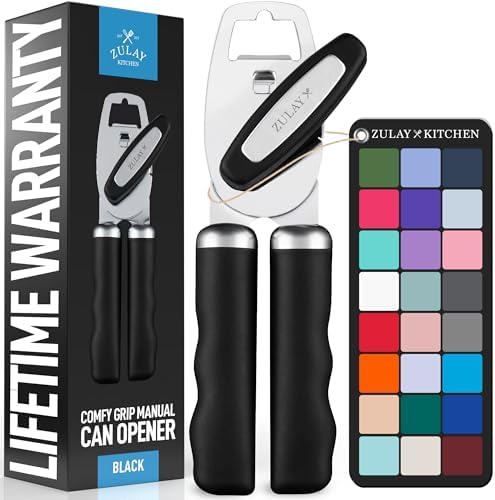
- The stainless steel blades are made to last, tested with rigorous quality controls; You can be certain you are getting a…
- Soft, slip-resistant handles give you control without the strain
- The top doubles as a powerful bottle opener—quick and reliable
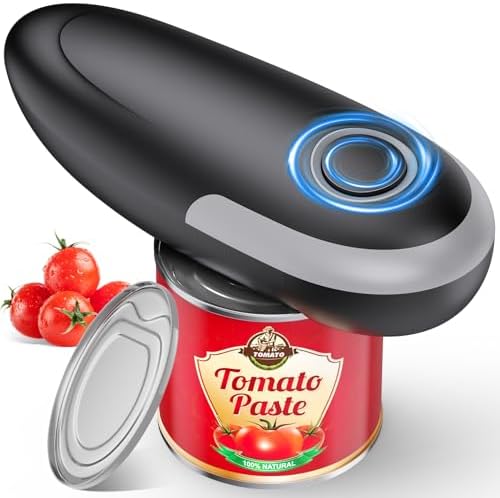
- 𝐎𝐧𝐞 𝐓𝐨𝐮𝐜𝐡 𝐄𝐥𝐞𝐜𝐭𝐫𝐢𝐜 𝐂𝐚𝐧 𝐎𝐩𝐞𝐧𝐞𝐫: No more effort needed! This electric can opener starts and stops with just one touch, giv…
- 𝐅𝐢𝐭𝐬 𝐀𝐥𝐥 𝐂𝐚𝐧𝐬: Built with durable stainless steel, this can opener electric opens square, round, oval, and other cans ef…
- 𝐈𝐝𝐞𝐚𝐥 𝐟𝐨𝐫 𝐄𝐯𝐞𝐫𝐲𝐨𝐧𝐞: Designed as one of the most practical can openers for seniors, this tool is excellent for those with…

- Plastic
- ELIMINATES SHARP LID EDGES — This electric can opener cuts cans along the side for smooth, touchable lids. The lid can b…
- EASILY OPEN CANS WITH ONE HAND: Designed with an easy-touch opening lever, this Hamilton Beach can opener easily opens c…

- HANDS-FREE LID DISPOSAL: This can top remover lifts the lid off and holds it until you’re ready to dispose of it. Just p…
- REUSE LIDS FOR STORAGE: Cut lids have a clean, safe edge that is suitable for short-term storage of leftover food. Pop t…
- NO CROSS CONTAMINATION: With this safe cut can opener, the cutting wheel never contacts the food, so there’s no chance o…

- Multifunctional can opener, can be used as a can opener, lever, bottle opener, suitable for all kinds of cans and bottle…
- The can opener is made of stainless steel, sturdy and durable, not easy to break, and can be safely in direct contact wi…
- The sharp metal blade is easy to insert into the can lid. The edge of the can after trimming is smooth and sleek. No scr…
How to Clean an Electric Can Opener (Step-by-Step)
Electric can openers require extra care to avoid damaging the motor or electrical components. Never submerge an electric opener in water—follow these safe steps:
- Unplug First: Always unplug the electric opener from the outlet before cleaning to prevent electric shock. This is a crucial safety step for all electrical kitchen tools.
- Remove Removable Parts: Many electric openers have removable cutting mechanisms, crumb trays, or gear covers. Take these parts off (check your owner’s manual for guidance) and set them aside.
- Clean Removable Parts: Wash the removable parts in warm, soapy water using a brush or sponge. Rinse them thoroughly and dry completely with a towel. Some parts may be dishwasher-safe (top rack only)—check the manual to confirm.
- Wipe the Base & Exterior: Use a damp (not soaking wet) cloth or sponge to wipe the exterior of the opener, including the lever, magnet, and base. For tough residue, add a drop of dish soap to the cloth. Avoid getting water near the motor or power cord.
- Clean Hard-to-Reach Areas: Use a dry toothbrush or a cotton swab to gently scrub the gears and cutting area (where the removable parts were) to remove any leftover food particles. A can of compressed air can also help blow out debris from tight spaces.
- Reassemble & Store: Once all parts are completely dry, reassemble the opener and plug it back in (or store it if not using immediately).
Sanitization Tips for Extra Hygiene
For households with kids, seniors, or anyone with a weakened immune system, sanitizing your can opener after cleaning adds an extra layer of protection against bacteria. Here are two easy sanitization methods:
- Vinegar Soak: For manual openers (or removable parts of electric ones), soak them in white vinegar for 5–10 minutes after cleaning. Vinegar is a natural disinfectant that kills most bacteria. Rinse thoroughly and dry completely afterward.
- Bleach Solution: Mix 1 teaspoon of bleach with 1 quart of water. Dip a cloth in the solution and wipe down the opener (avoid submerging electric models). Let it sit for 1 minute, then wipe with a damp cloth to remove bleach residue. Dry completely.
How Often Should You Clean a Can Opener?
The frequency depends on how often you use it:
- Daily Use: Wipe down after each use, and do a deep clean (scrubbing with soapy water) once a week.
- Occasional Use (1–2 Times a Week): Wipe down after each use, and deep clean once every 2–3 weeks.
- Sanitization: Sanitize your can opener once a month, or more often if someone in your household is sick.
FAQs About Cleaning Can Openers (Answered for Americans)
Q: Can I put my manual can opener in the dishwasher? A: Some manual models are dishwasher-safe (top rack only), but check the manufacturer’s label first. High heat can damage the handles (especially rubberized ergonomic ones) or cause rust. Hand cleaning is safer for most manual openers.
Q: What if my can opener has rust? A: For minor rust, scrub the area with a paste of baking soda and water. For more severe rust, the opener may be unsafe to use—rust can flake off into food. Replace it if rust can’t be removed.
Q: How do I clean a stuck-on, dried food residue? A: Soak the affected area (for manual openers) in warm soapy water for 10–15 minutes to loosen the residue, then scrub with a brush. For electric openers, use a cotton swab dipped in warm soapy water to gently loosen the residue.
Q: Is it necessary to sanitize a can opener? A: It’s not mandatory for healthy households, but it’s recommended for extra safety—especially if you open cans of raw or high-risk foods (like fish or meat).
Final Thoughts
Cleaning a can opener properly is a quick, simple task that protects your family’s health and extends the life of your tool. By following the steps above—whether you have a manual, electric, or ergonomic model—you can keep your can opener free of bacteria and residue. Remember to clean it regularly, dry it completely, and sanitize occasionally for maximum hygiene. With a little care, your can opener will continue to be a reliable kitchen companion for years to come.
Have more questions about cleaning or maintaining your can opener? Leave a comment below, and we’ll help you out!
Related Guides:
- Best Rated Can Openers 2026 (All Categories)
- Best Can Opener for Seniors with Weak Grip (2026 Top Picks)
- Best Can Opener for Arthritis Patients (2026 Pain-Free Picks)
- Best Can Opener for Stroke Survivors (2026 Easy-Use Picks)
- Best Electric Can Opener (2026 Top-Rated Automatic Models)
- Best Hands-Free Can Opener (2026 No-Grip Effort Models)
- Best Manual Can Opener (2026 Ergonomic Low-Effort Models)
- Best Sharp-Edge-Free Can Opener (2026 Safe No-Cut Models)