Let’s be real: few kitchen gadgets are as humble—or as heroically reliable—as the trusty can opener. That is, until you pull it out one Tuesday night to make chili and spot that telltale reddish-brown gunk on the blade. Ugh. *Rust*. Suddenly, your dinner-prep mood sours faster than milk left in the sun. But here’s the good news: with a few simple, no-fuss habits, you can keep your can opener in fighting shape for years. Think of it not as a chore, but as giving your hardworking kitchen sidekick a little TLC.
First things first: understand the enemy. Rust is just iron oxide, formed when iron (or steel) meets moisture and oxygen. Your can opener is a prime target. It’s got cutting wheels and gears that trap tiny food particles and moisture from the cans themselves. Every time you pierce that tomato soup or coconut milk, you’re giving rust a free invitation to the party. So, the golden rule is simple: keep it clean and keep it dry. This isn’t rocket science, but consistency is key.
Right after use, give it a quick but thorough rinse under warm water. Don’t just toss it in the sink where it’ll stew in dishwater! Use an old toothbrush or a small brush to scrub around the cutting wheel and gears, dislodging any bits of food or residue. A drop of mild dish soap helps. This is the single most effective step you can take.
Now, onto drying. This is where most folks drop the ball. Shaking off the water isn’t enough. Take an extra 30 seconds to dry it meticulously with a dish towel or paper towel. Pay special attention to the pivot point and the cutting mechanism. For an extra layer of protection, leave it out on the drying rack for an hour or so to air-dry completely before putting it away. Never, and I mean *never*, store a damp can opener in a drawer. That’s basically a humidor for rust.
Speaking of storage, where you stash it matters. Don’t cram it into a jumbled utensil drawer where it’s banging against other tools, getting nicked (damaged coatings invite rust), and trapping moisture. If you can, hang it on a hook or a magnetic strip. Good airflow is your friend. A dry, airy spot is kryptonite to rust.
But what if you live in a humid climate, or your opener sees heavy use? Consider a protective coating. After cleaning and *ensuring it’s bone-dry*, you can apply a tiny, almost imperceptible amount of food-safe mineral oil to the metal parts with a cloth. Wipe off any excess. This creates a microscopic barrier against moisture. Some folks swear by a quick spritz of food-safe silicone spray (let it dry completely before use). It’s like putting a raincoat on your tool.
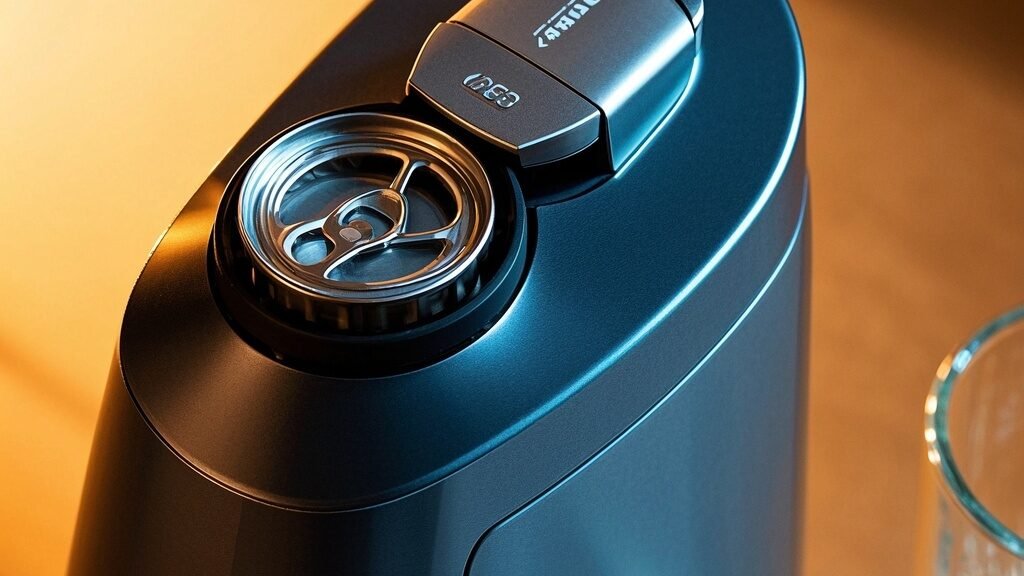
For electric can openers, unplug the unit first (obviously!) and avoid submerging the motor housing. Wipe the cutting assembly clean and dry with a cloth, following the same principles.
Okay, let’s say you’ve already got some light surface rust. Don’t panic. Make a paste with baking soda and water, scrub the affected areas gently with your toothbrush, then rinse and dry *immediately and thoroughly*. For tougher spots, a little white vinegar on a cloth can help dissolve the rust. Always dry it like it’s going into a museum collection afterward.
At the end of the day, preventing rust boils down to a simple mantra: Wash it, Dry it, Store it right. It’s a 60-second ritual that saves you money, ensures your food stays uncontaminated, and spares you the frustration of wrestling with a balky, rusty tool. Your can opener might not be the flashiest tool in the kitchen, but it deserves a little respect. Show it some, and it’ll never leave you hanging when you’re facing down that can of beans. Now go on, give it a quick wipe-down—you’ll thank yourself later.
Related Guides:
- Best Rated Can Openers 2026 (All Categories)
- Best Can Opener for Seniors with Weak Grip (2026 Top Picks)
- Best Can Opener for Arthritis Patients (2026 Pain-Free Picks)
- Best Can Opener for Stroke Survivors (2026 Easy-Use Picks)
- Best Electric Can Opener (2026 Top-Rated Automatic Models)
- Best Hands-Free Can Opener (2026 No-Grip Effort Models)
- Best Manual Can Opener (2026 Ergonomic Low-Effort Models)
- Best Sharp-Edge-Free Can Opener (2026 Safe No-Cut Models)