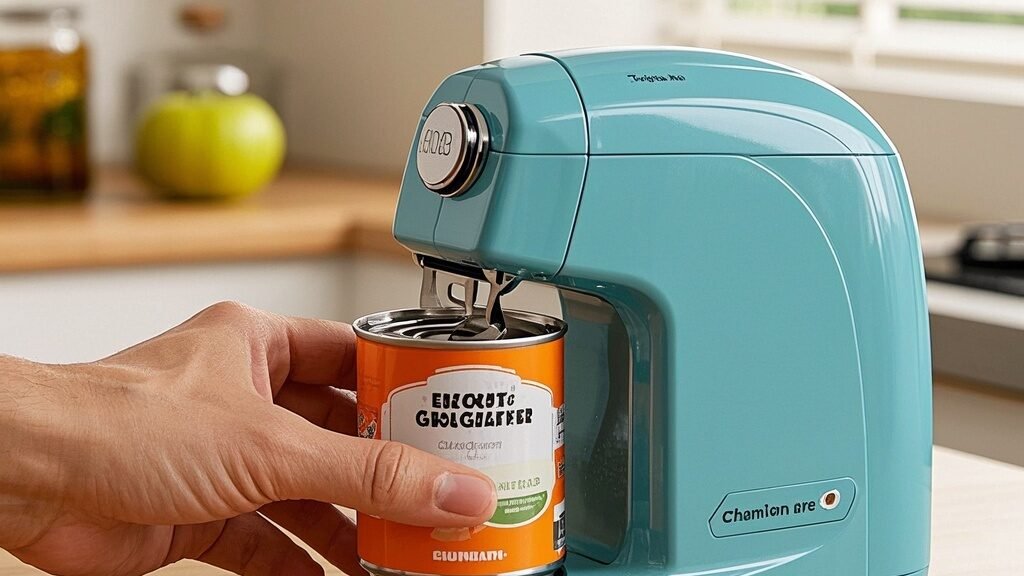
How to Fix a Jammed Electric Can Opener?
Picture this: you’re in the middle of preparing a quick dinner, a can of your favorite soup or beans in hand. You place it under the cutter, press the button, and instead of the smooth whirring sound, you hear an unpleasant grinding noise—or worse, complete silence. The machine is stuck, the can is trapped, and your meal prep grinds to a halt. This common kitchen hiccup can test anyone’s patience, but before you consider wrestling with a manual opener or worse, damaging the appliance, know that resolving a jammed electric can opener is usually straightforward. Understanding why these handy gadgets get stuck and how to safely free them can save your dinner plans and extend the life of your tool.
Understanding the Jam and the Immediate Fix
Most modern electric can openers, especially one-touch or automatic models, are designed with user-friendly troubleshooting in mind. The most common cause of a jam is the cutter wheel becoming misaligned with the can’s rim, often due to a dent or deformity on the can itself. The first and safest step is to locate the control button. On many models, pressing the main operating button a second time activates a reverse function. This simple action tells the motor to spin backwards, disengaging the cutter wheel and releasing the can back to its starting position. Always ensure the motor has completely stopped before you attempt to remove the can or inspect the device. If the reverse function doesn’t work, check if your model has a dedicated reset or reverse button, sometimes located on the top or back of the unit. Gently wiggling the can from side to side while the mechanism is reversed can also help dislodge a minor jam.
Manual Intervention and Basic Maintenance
If the electronic reverse function fails to free the can, you’ll need to carefully intervene manually. First, unplug the device or remove its batteries to eliminate any risk of accidental activation. For plug-in models, this is a critical safety step. Next, inspect the can. If you see a visible bump or dent along the rim that might be catching the cutter, try repositioning the can slightly so the cutter can start its path just beyond the imperfection. For a more stubborn jam, you may need to gently but firmly twist and pull the can free from the holder and cutter assembly. Avoid using excessive force that could bend the mechanism. Once the can is free, this is an ideal time for basic maintenance. Food particles and sticky residues are frequent culprits behind poor performance and future jams. Wipe the cutter wheel and the magnetic lid holder (if present) with a damp cloth or sponge using a mild, non-abrasive cleaner. Dry all parts thoroughly with a clean cloth before the next use. Regular cleaning after every few uses significantly reduces the chance of jams.
Checking Power Sources and Mechanical Issues
Sometimes, what seems like a jam is actually a power issue. If your device stops working entirely mid-task or fails to start, the problem might not be mechanical. For battery-operated openers, a sudden loss of power is a strong indicator of depleted batteries. Open the battery compartment, typically located on the bottom or back of the unit, and replace the old batteries with fresh ones, preferably alkaline for longer life. For plug-in models, ensure the cord is securely connected and the outlet is functioning. Try plugging another appliance into the same outlet to rule out a circuit problem. If the unit has a thermal overload protector—a safety feature that shuts off the motor if it overheats—it may need time to cool down. Unplug it and let it sit for at least 20 minutes before trying again. Persistent issues, like a motor that hums but doesn’t turn, might indicate a more serious internal fault. In such cases, consulting the manufacturer’s manual or contacting customer support is advisable over further DIY attempts.
A jammed electric can opener is a minor setback, not a death sentence for the appliance. By starting with the simple reverse function, moving to careful manual clearing and routine cleaning, and finally checking power sources, you can almost always get back to opening cans with ease. These tools are designed for convenience, especially for those with hand strength or mobility concerns, and proper handling ensures they deliver on that promise for years. Keeping the cutter clean, using undamaged cans, and ensuring a steady power supply are the best preventative measures.
Who Should Consider a Reliable Electric Can Opener?
Anyone who values kitchen efficiency, from busy professionals to home cooks, will appreciate the consistency of a good electric can opener. They are particularly beneficial for seniors, individuals with arthritis, or anyone with limited hand strength or dexterity, as they require minimal force and reduce the risk of injury from sharp edges. For households that frequently use canned goods, investing in a model with a smooth-edge cutting function and reliable jam-recovery features can make daily meal prep safer and more effortless. Find the perfect can opener for your needs below
Related Guides:
- Best Rated Can Openers 2026 (All Categories)
- Best Can Opener for Seniors with Weak Grip (2026 Top Picks)
- Best Can Opener for Arthritis Patients (2026 Pain-Free Picks)
- Best Can Opener for Stroke Survivors (2026 Easy-Use Picks)
- Best Electric Can Opener (2026 Top-Rated Automatic Models)
- Best Hands-Free Can Opener (2026 No-Grip Effort Models)
- Best Manual Can Opener (2026 Ergonomic Low-Effort Models)
- Best Sharp-Edge-Free Can Opener (2026 Safe No-Cut Models)