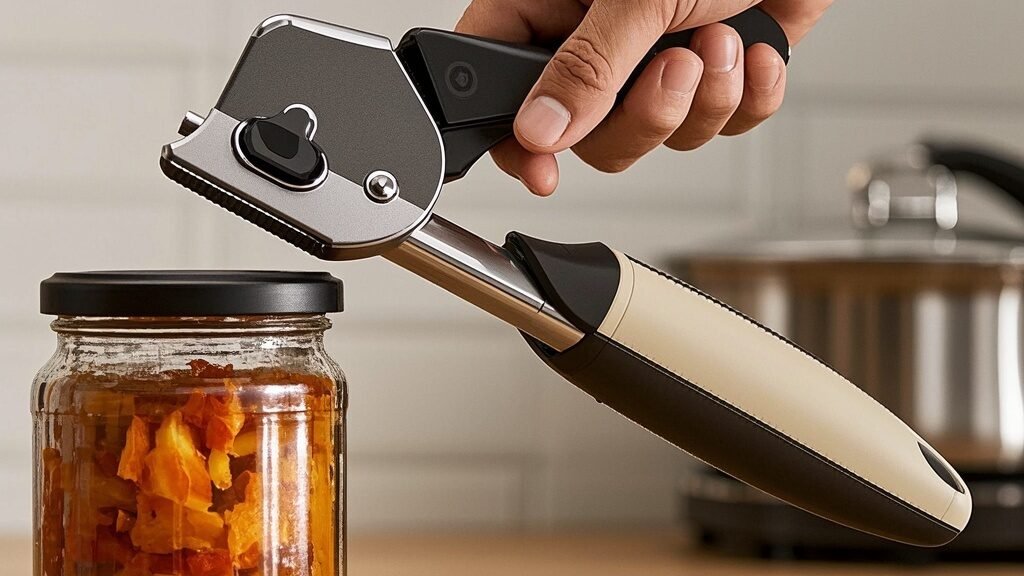
What material is used for ergonomic can opener handles?
Imagine this: it’s dinnertime, you’re rushing to get a meal on the table, and your hand starts cramping as you struggle with a stubborn can. That familiar ache in your palm or the slipping grip isn’t just annoying—it’s a sign that your tool isn’t working with you. This common kitchen frustration highlights why the choice of material for an ergonomic can opener handle is more than a minor detail; it’s the difference between a chore and a seamless experience. The right handle material directly tackles these pain points, offering comfort, control, and safety. Today, ergonomic handles are designed from specific materials to transform this basic task, prioritizing user comfort and accessibility for everyone, from busy home cooks to individuals with arthritis or reduced hand strength.
The Core Trio: Plastics, Rubber, and Soft-Touch Coatings
When you pick up a modern ergonomic can opener, the comfort you feel is usually the result of a strategic combination of materials. The most common foundation is a durable plastic or nylon handle. These materials are favored because they are inherently lightweight, which reduces hand fatigue during use, and they are easy to clean and resistant to corrosion. However, plastic alone can be slippery. This is where the second critical component comes in: a soft-touch overmold or a rubberized coating.
This layer is often made from thermoplastic elastomers (TPE) or similar soft, flexible compounds. It is bonded over the plastic core to create a non-slip, cushioned grip. This textured, slightly soft surface increases friction, ensuring the tool stays secure in your hand even when wet or greasy. The padding also absorbs pressure, distributing force more evenly across your palm and fingers to prevent hotspots and discomfort. Many manufacturers design these handles with contoured shapes that fit the natural curve of a clenched hand, further enhancing control with minimal effort.
Beyond the Basics: Specialized Composites and Hybrid Designs
For heavy-duty or premium models, the material story becomes more advanced. Here, the goal is to pair supreme comfort with exceptional durability. You’ll find handles that combine a rigid internal structure—often a robust plastic or a metal core for strength—with a thick, high-quality rubber or foam-like silicone exterior. This construction ensures the handle can withstand significant squeezing force without flexing, while the outer layer provides a plush, almost gel-like feel.
Some innovative designs use advanced polymer composites that are engineered to be both soft and incredibly wear-resistant. These materials aim to prevent the handle from becoming sticky or degrading over time, a common issue with lower-quality rubbers. Another key feature in this category is the oversized turning knob. Frequently coated with the same soft-grip material as the handles, these larger knobs provide a broader surface area for your fingers, making the turning motion easier and reducing the strain on your fingertips and joints.
Prioritizing Safety and Inclusive Design
The choice of handle material is intrinsically linked to safety and inclusive design. A secure, non-slip grip is the first line of defense against the tool slipping and causing a cut. The ergonomic materials ensure you maintain full control throughout the cutting motion, which is crucial when dealing with sharp lids. Furthermore, this design philosophy is vital for accessibility. The comfortable, easy-to-grasp materials and leveraged design empower individuals with arthritis, limited hand strength, or mobility issues to maintain their independence in the kitchen. The reduced force required means the task is no longer a daunting challenge, but a manageable one.
The benefits extend to everyday users as well. After a long day, or when your hands are wet from cooking, a can opener with a thoughtfully designed soft-grip handle feels like a considerate assistant, not another obstacle. It turns a mundane task into an effortless action, protecting your hands from strain and allowing you to focus on the cooking, not the struggling.
Who Should Consider an Ergonomic Can Opener?
In short, almost anyone who spends time in the kitchen can benefit from one. It is an essential tool for seniors or anyone experiencing hand pain, stiffness, or reduced grip strength, as it minimizes discomfort and maximizes ease. Busy home cooks and meal-preppers will appreciate the efficiency and reduced fatigue, especially when opening multiple cans. It’s also a smart, preventative choice for younger users looking to invest in kitchen tools that are comfortable, safe, and built to last, ensuring effortless use for years to come.
Find the perfect can opener for your needs below
Related Guides:
- Best Rated Can Openers 2026 (All Categories)
- Best Can Opener for Seniors with Weak Grip (2026 Top Picks)
- Best Can Opener for Arthritis Patients (2026 Pain-Free Picks)
- Best Can Opener for Stroke Survivors (2026 Easy-Use Picks)
- Best Electric Can Opener (2026 Top-Rated Automatic Models)
- Best Hands-Free Can Opener (2026 No-Grip Effort Models)
- Best Manual Can Opener (2026 Ergonomic Low-Effort Models)
- Best Sharp-Edge-Free Can Opener (2026 Safe No-Cut Models)