Is a side-cutting can opener better than a top-cutting one?
Imagine reaching for a can of soup on a busy weeknight, only to wrestle with a stubborn opener that leaves a jagged, dangerous lid and spills precious broth all over the counter. This common kitchen frustration lies at the heart of a quiet but significant debate: the choice between a side-cutting and a top-cutting can opener. While both aim to grant access to your pantry staples, their approaches—and outcomes—differ dramatically, influencing safety, convenience, and even food preservation. Understanding these differences is key to transforming a mundane task into a seamless kitchen experience.
How They Work: A Tale of Two Mechanisms
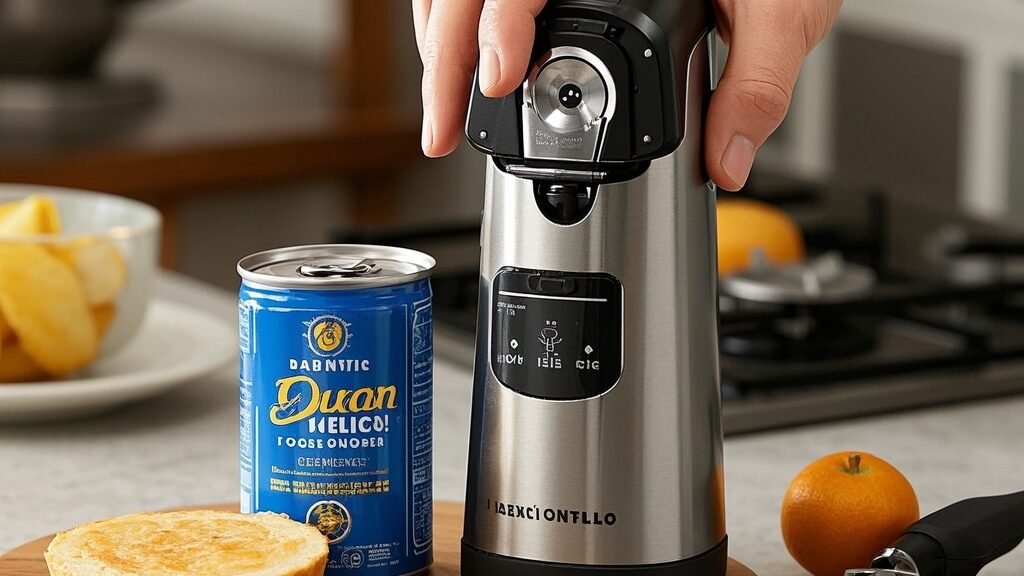
Fundamentally, the distinction lies in where the cutting happens. A traditional top-cutting can opener, often the classic manual type with a turning knob, pierces and cuts through the lid itself from above. It essentially removes the entire top of the can. In contrast, a side-cutting can opener (sometimes called a smooth-edge or under-the-rim opener) operates by clamping onto the side of the can and cutting through the outer rim, just below the lid. This action cleanly separates the lid from the can’s body while leaving the lid’s top surface completely intact. Think of it as the difference between cutting a cake from the top versus neatly slicing around its base to lift the slice out.
Safety and Cleanliness: The Clear Edge
When it comes to safety and maintaining a clean kitchen, side-cutting openers generally hold a significant advantage. The traditional top-cutting method often leaves behind a sharp, serrated edge on both the can and the detached lid, posing a genuine cut risk, especially when washing or disposing of them. Furthermore, the cutting action can produce tiny metal shavings that risk contaminating the food—a notable drawback highlighted in user experiences. The side-cutting approach elegantly solves these issues. By cutting under the rim, it leaves a perfectly smooth edge on both the can and the lid, virtually eliminating the danger of sharp edges and metal debris. This results in a safer handling experience and cleaner food access.
Practicality and Food Preservation
Beyond safety, practical everyday use reveals more nuances. A top-cutting opener completely removes the lid, which is ideal if you plan to use all the contents at once. However, if you only need a portion, you’re left transferring leftovers to another container. The side-cutting method offers a unique benefit: because it detaches the lid so cleanly, you can often place it back on the can for a relatively secure, if not completely airtight, cover. This provides a convenient way to store partial contents in the refrigerator, offering some protection against spills and odors. On the downside, some manual side-cutting models may require slightly more initial force to engage the cutting mechanism compared to top-cutters, and cheaper versions might leave a gap too narrow to easily lift the lid without an additional tool.
Performance and Real-World Use
Your choice may ultimately come down to your specific needs and physical comfort. For those who value ultimate safety, minimal mess, and the option for easy re-covering, a side-cutting opener is often the superior choice. This is particularly true for households with children, seniors, or anyone concerned about sharp edges. Modern electric side-cutting openers amplify these benefits, automating the process with a simple button press—a boon for individuals with arthritis or reduced grip strength. Conversely, a traditional top-cutting opener is a familiar, straightforward tool that gets the job done efficiently when the entire can’s contents will be used immediately. It’s a classic, no-frills option that remains reliable for basic tasks.
Who Should Consider a Side-Cutting Can Opener?
So, is a side-cutting can opener better? It’s not universally better, but it is distinctly better for specific priorities. If your top concerns are preventing cuts, avoiding metal shavings in your food, and enjoying the flexibility to easily cover and store leftovers, then a side-cutting model—especially a well-reviewed manual or electric version—is likely your best investment. It transforms a routine chore into a safer, cleaner, and more convenient kitchen activity. For those who primarily use full cans at once and prioritize simplicity and lower cost, a standard top-cutting opener remains a perfectly valid tool.
Ready to ditch the jagged edges and messy spills? Find the perfect can opener for your needs below!
Related Guides:
- Best Rated Can Openers 2026 (All Categories)
- Best Can Opener for Seniors with Weak Grip (2026 Top Picks)
- Best Can Opener for Arthritis Patients (2026 Pain-Free Picks)
- Best Can Opener for Stroke Survivors (2026 Easy-Use Picks)
- Best Electric Can Opener (2026 Top-Rated Automatic Models)
- Best Hands-Free Can Opener (2026 No-Grip Effort Models)
- Best Manual Can Opener (2026 Ergonomic Low-Effort Models)
- Best Sharp-Edge-Free Can Opener (2026 Safe No-Cut Models)