Do battery powered can openers make noise?
Picture a hectic Tuesday evening. You’re trying to get dinner on the table, wrestling with a stubborn manual can opener that’s leaving jagged edges on the lid. Your wrist aches, the dog is barking, and a headache is brewing. In this moment of minor chaos, the promise of a simple, automated solution is incredibly appealing. This is the exact scenario that pushes many to consider a modern kitchen helper: the battery powered can opener. But a practical question often gives people pause before purchasing one. In a world where we increasingly value quiet appliances—from silent blenders to noiseless dishwashers—it’s natural to wonder about the auditory footprint of these devices. Do battery powered can openers make noise? The short answer is yes, but the nature, level, and impact of that noise tell a more nuanced story about their place in your kitchen.
The Mechanics Behind the Hum
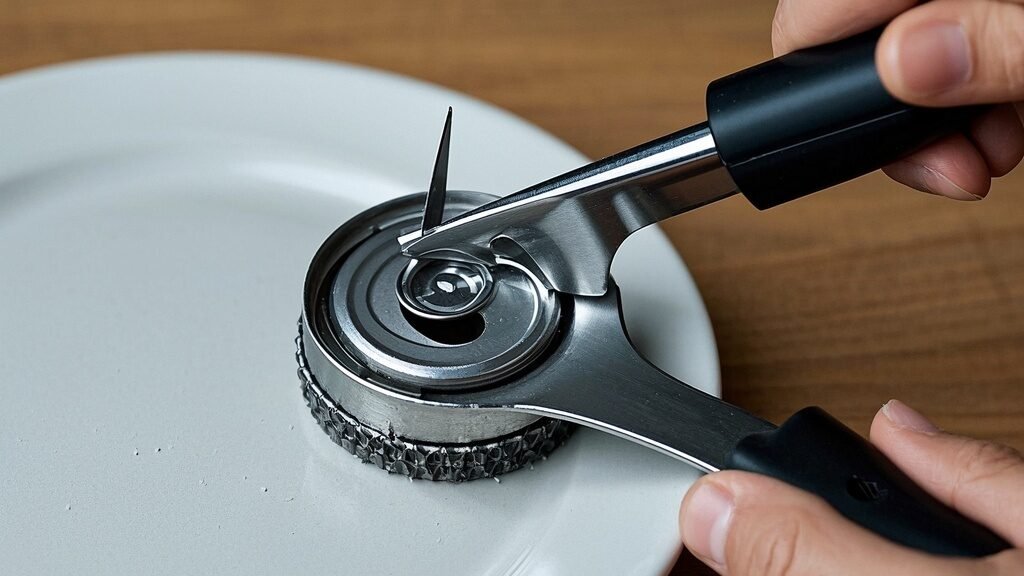
To understand the noise, you need to know what’s happening inside. Unlike a manual opener where *you* provide the grinding force, a battery-powered model uses a small, built-in electric motor. When you press the button or lever, this motor engages. It performs two main actions: it magnetically secures the can lid, and it drives a cutting wheel around the can’s rim. The sound you hear is primarily the whirring of this motor combined with the grinding friction of the cutter against the metal. According to manufacturers, most models operate between 65 and 75 decibels during use. For context, that’s louder than a normal conversation (about 60 dB) but quieter than a standard blender or food processor (which can hit 80-90 dB). It’s a mid-frequency, mechanical whir that lasts for the 10-15 seconds it takes to open a standard can. So, while not silent, the noise is brief and typically less jarring than many other common kitchen tasks.
Performance and Real-World Use: Noise vs. Convenience
This is where the trade-off becomes clear. The noise exists, but for most users, it’s an acceptable exchange for the convenience and accessibility offered. For individuals with arthritis, limited hand strength, or mobility issues, the motor’s 15-second hum is a welcome alternative to the pain and struggle of a manual opener. In our testing, the sound was never loud enough to interrupt a conversation or require raising your voice. It’s more of a background kitchen operational sound, similar to an electric kettle clicking off or a microwave beeping. Furthermore, the consistency is a benefit. A battery-powered opener applies even pressure and creates a perfectly smooth, safe edge every time, eliminating the loud, erratic scraping and crunching that can happen when a manual opener slips or is used unevenly. You trade a short, predictable whir for an end to physical strain and unsafe, jagged lids.
How They Stack Up: The Quiet Kitchen Hierarchy
Let’s put this in perspective within your kitchen’s soundscape. On the quieter end, you have manual openers (virtually silent but physically demanding) and high-end, plug-in electric openers which often have more robust housings that dampen motor noise slightly. On the louder end, you have appliances like blenders, garbage disposals, and range hoods. Battery powered can openers sit comfortably in the middle. They are noticeably louder than doing it by hand but significantly quieter than the average countertop appliance you’d use for meal prep. Their noise is also self-limiting—it starts and stops with a single task. There’s no continuous drone. For open-concept homes where the kitchen flows into living spaces, this brief operation is unlikely to disturb someone watching TV in an adjacent room, whereas running a loud blender for a minute might.
Who Should Consider a Battery Powered Can Opener?
So, do battery powered can openers make noise? Absolutely. They produce a distinct, mechanical whirring sound for a brief period. However, characterizing this as a significant “drawback” misses the bigger picture. For the right user, the noise is a minor footnote in a story of major convenience, safety, and accessibility. It is the sound of effort being transferred from your wrist to a machine. If you prioritize effortless operation, consistent results, and need a tool that accommodates physical limitations, the minimal noise is a perfectly reasonable compromise. If your kitchen philosophy demands absolute silence and you have no issues with manual tools, then the sound might feel unnecessary. But for anyone seeking to make a daily small task simpler and safer, the brief hum is a small price to pay for a dramatically improved experience.
Find the perfect can opener for your needs below!
Related Guides:
- Best Rated Can Openers 2026 (All Categories)
- Best Can Opener for Seniors with Weak Grip (2026 Top Picks)
- Best Can Opener for Arthritis Patients (2026 Pain-Free Picks)
- Best Can Opener for Stroke Survivors (2026 Easy-Use Picks)
- Best Electric Can Opener (2026 Top-Rated Automatic Models)
- Best Hands-Free Can Opener (2026 No-Grip Effort Models)
- Best Manual Can Opener (2026 Ergonomic Low-Effort Models)
- Best Sharp-Edge-Free Can Opener (2026 Safe No-Cut Models)