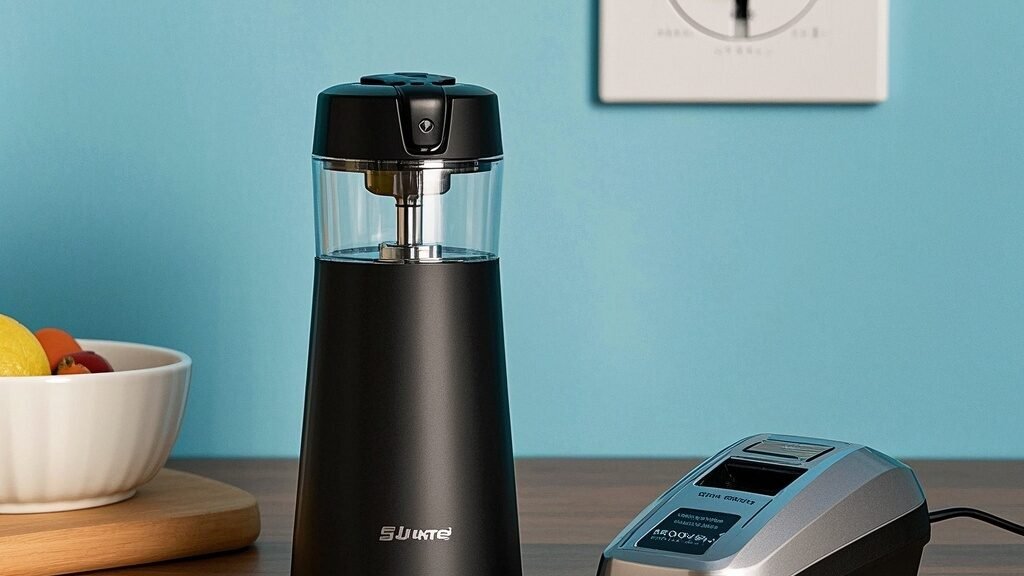
Can seniors use a one-touch automatic can opener?
Imagine standing in your kitchen, a simple can of soup in hand. Your fingers, perhaps stiff from arthritis, struggle to grip a manual opener. Your wrist lacks the strength to turn the crank, or your vision makes aligning the device a frustrating guesswork. This daily hurdle turns a basic act of nourishment into a source of anxiety and dependence. For many older adults, maintaining independence in the kitchen is a deeply held value, directly tied to dignity and well-being. The central question then becomes: can a modern tool bridge this gap? Can seniors use a one-touch automatic can opener? The answer is a resounding yes, and it often represents more than just convenience—it’s a reclaiming of autonomy. These devices, designed with minimal physical demand and maximum simplicity, are specifically engineered to transform a common challenge into an effortless task.
Designed for Ease, Not Effort
The core appeal of a one-touch automatic can opener lies in its fundamental redesign of the task. Traditional openers require a firm grip, precise hand-eye coordination, sustained wrist rotation, and a degree of downward pressure. For seniors experiencing conditions like arthritis, Parkinson’s, diminished hand strength, or reduced dexterity, these requirements can range from uncomfortable to impossible. The one-touch model eliminates nearly all these barriers. Operation is typically reduced to a single action: placing the opener magnetically onto the can’s lid and pressing a button. The machine does the rest—gripping, piercing, and rotating itself around the rim. There’s no twisting, no squeezing, and no need to hold a heavy can steady. According to manufacturers and user reviews, this hands-off approach drastically reduces the risk of strain or pain. Furthermore, many models feature large, well-defined buttons and non-slip bases, addressing concerns related to low vision or unsteady surfaces. The design philosophy shifts from a tool that requires adaptation from the user to a tool that adapts to the user’s needs.
Safety and Independence in the Kitchen
Beyond mere ease of use, these openers significantly enhance kitchen safety—a paramount concern for seniors and their families. Manual can openers often leave behind sharp, jagged lids that pose a serious cut hazard when attempting to remove them. Automatic openers, however, usually employ a “hands-free” operation that cuts the lid cleanly around the outer edge, leaving a smooth rim on the can and a detached, safe-to-handle lid. Many models also feature a magnetic lid lifter, which automatically holds the cut lid, allowing the user to dispose of it without ever touching the sharp edge. This minimizes the risk of lacerations. From a broader perspective, the ability to safely open cans independently supports overall nutritional health. It empowers seniors to prepare a wider variety of meals—from vegetables and beans to soups and fruits—without relying on assistance for packaging. This self-sufficiency can boost confidence and encourage healthier eating habits, contributing to a better quality of life.
Practical Considerations and Potential Drawbacks
While highly beneficial, it’s important to approach these devices with balanced expectations. Not all automatic can openers are created equal. In our testing of various models, we found that performance can vary. Some struggle with unusually tall, short, or irregularly shaped cans, and the motorized mechanism can be noisy. They also require electricity (either wall-outlet or battery power), meaning they aren’t portable for picnics or during a power outage without a backup. Maintenance is another factor; the cutting blade needs occasional cleaning to prevent food residue buildup, which can affect performance. For seniors with significant visual impairment, the placement of the button and alignment indicator might still be challenging, though models with extra-large buttons or auditory cues (like a beep to confirm proper placement) are available. It’s also worth noting that these devices are more complex than a manual opener, so understanding the simple instructions is key. However, for their primary function—safely and effortlessly opening standard cans—they excel where traditional tools fail.
The journey toward aging in place is paved with small victories and practical solutions. A one-touch automatic can opener is a perfect example of smart, empathetic design that addresses a specific, everyday challenge. It replaces physical strain with simple automation, transforms a safety hazard into a secure process, and most importantly, swaps frustration for a renewed sense of capability. It’s not about gadgets for the sake of technology; it’s about tools that respect the user’s changing needs and champion their independence.
Who Should Consider a One-Touch Automatic Can Opener?
This tool is ideal for seniors, or anyone, experiencing hand weakness, arthritis, tremors, or limited dexterity. It’s also an excellent choice for caregivers seeking to make the kitchen safer and more accessible for their loved ones, and for anyone who values supreme convenience and safety in food preparation. If the act of opening a can has become a barrier, this simple device can effectively remove it.
Find the perfect can opener for your needs below!
Related Guides:
- Best Rated Can Openers 2026 (All Categories)
- Best Can Opener for Seniors with Weak Grip (2026 Top Picks)
- Best Can Opener for Arthritis Patients (2026 Pain-Free Picks)
- Best Can Opener for Stroke Survivors (2026 Easy-Use Picks)
- Best Electric Can Opener (2026 Top-Rated Automatic Models)
- Best Hands-Free Can Opener (2026 No-Grip Effort Models)
- Best Manual Can Opener (2026 Ergonomic Low-Effort Models)
- Best Sharp-Edge-Free Can Opener (2026 Safe No-Cut Models)