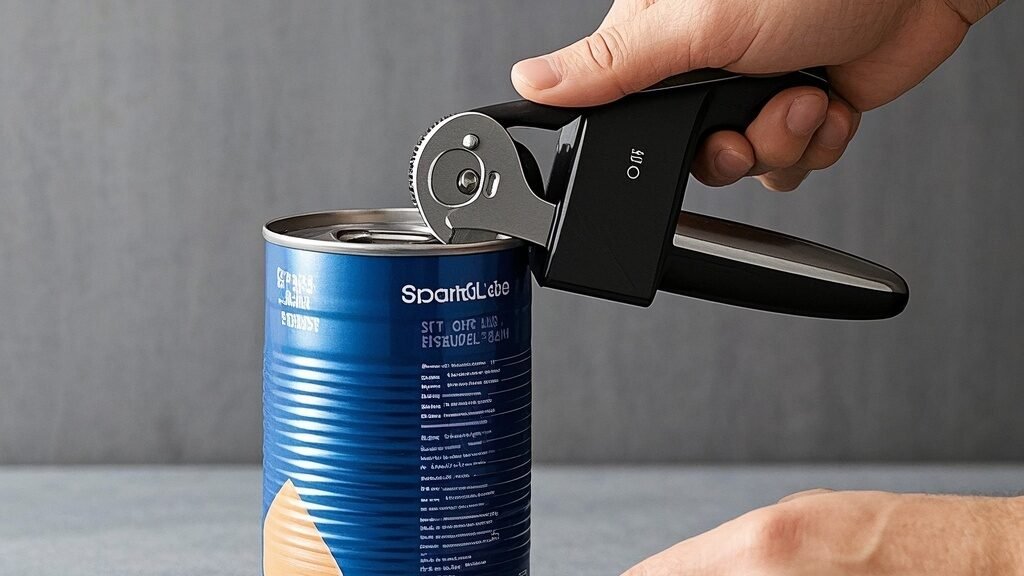
Is an ergonomic can opener worth the extra cost?
You’re in the middle of cooking dinner, a recipe you’ve been eager to try. All ingredients are prepped, the pan is hot, and then you reach for that can of crushed tomatoes. What follows is a familiar struggle: a slippery, stubborn metal tool digging into your palm, requiring awkward wrist twists and considerable force before a final, jarring pop. Your hand aches, your momentum is broken, and a flicker of frustration cuts through the kitchen’s rhythm. It’s a minor inconvenience, so minor we accept it as a normal part of cooking. But what if it didn’t have to be? This is where the debate begins: Is an ergonomic can opener worth the extra cost, or is it just marketing hype for a simple tool? The answer lies not in the act of opening the can, but in everything surrounding it—comfort, accessibility, safety, and the subtle economics of daily life.
The Hidden Cost of Discomfort
Let’s move beyond the one-time purchase price and consider the cumulative toll of a standard can opener. Traditional designs often require significant grip strength and pronation (twisting inward) of the wrist. For individuals with arthritis, carpal tunnel syndrome, or simply reduced hand strength due to aging, this can transform a basic task into a painful or impossible chore. The “extra cost” of an ergonomic model must be weighed against the very real cost of discomfort or dependency. Furthermore, poor leverage can lead to slippage, posing a safety risk with sharp edges. An ergonomic opener addresses this directly. By design, these tools feature larger, contoured, often soft-grip handles that distribute pressure across the palm rather than concentrating it on tender joints. They utilize longer levers and geared mechanisms to multiply your input force, requiring minimal effort to turn. The value proposition here is clear: it’s an investment in pain-free, independent kitchen activity.
Performance and Real-World Use
A valid concern is whether prioritizing comfort sacrifices performance. In testing, a well-designed ergonomic opener often proves superior. The most common and effective designs fall into two categories: side-cutting and smooth-edge openers. Ergonomic versions of both exist. A side-cutter typically uses a large, easy-turn knob that smoothly cuts the lid from the side, leaving a safe, non-sharp rim on the can. The primary ergonomic benefit is the effortless turning motion. Smooth-edge models, which magnetically lift and seal the lid back on, almost universally feature large, easy-grip handles to provide the initial leverage needed to puncture the can. The enhanced grip and mechanical advantage don’t just aid those with strength limitations; they make the process faster, cleaner, and more consistent for everyone. You’re not just buying comfort; you’re buying a more reliable, less messy result, which saves time and reduces food waste from poorly opened cans.
Longevity and Daily Economics
A standard can opener might cost $10, while a highly-rated ergonomic model can range from $20 to $40. The immediate price difference is obvious. However, consider longevity and usage. A cheap opener with thin metal components and poor gearing can rust, dull, or break within a year or two under regular use. The frustration of a failing tool is its own cost. Ergonomic models, according to manufacturer specifications and user reports, are often built with higher-grade materials—stainless steel cutting wheels, robust nylon or aluminum handles, and sealed gear mechanisms. They are designed for durability. When you spread that higher upfront cost over 5, 7, or even 10 years of reliable, comfortable service, the annual “cost of ownership” becomes minimal. Additionally, by enabling easier use for all household members, it prevents the “I’ll wait for someone else to do it” delay, subtly streamlining meal preparation.
Who Should Consider an Ergonomic Can Opener?
Ultimately, the worth of an upgrade is personal, but it extends far beyond a niche need. If you experience hand, wrist, or forearm pain during routine tasks, the value is immediate and significant. It’s also a thoughtful solution for seniors wishing to maintain kitchen independence. For avid home cooks who open multiple cans weekly, the reduction in effort and increased reliability is a tangible quality-of-life improvement. Even for the occasional user, the enhanced safety from a secure, non-slip grip and the elimination of a minor daily friction point can be surprisingly gratifying. It reframes a tool from a tolerated necessity to a seamless aid.
Viewing a can opener as merely a metal puncher misses the point of how good design interacts with our daily lives. The extra cost of an ergonomic model isn’t just for a gadget; it’s a premium for comfort, inclusivity, and effortless efficiency. It removes a small but persistent obstacle, making the kitchen a slightly more welcoming and functional space for everyone. For many, that is worth every penny.
Find the perfect can opener for your needs below!
Related Guides:
- Best Rated Can Openers 2026 (All Categories)
- Best Can Opener for Seniors with Weak Grip (2026 Top Picks)
- Best Can Opener for Arthritis Patients (2026 Pain-Free Picks)
- Best Can Opener for Stroke Survivors (2026 Easy-Use Picks)
- Best Electric Can Opener (2026 Top-Rated Automatic Models)
- Best Hands-Free Can Opener (2026 No-Grip Effort Models)
- Best Manual Can Opener (2026 Ergonomic Low-Effort Models)
- Best Sharp-Edge-Free Can Opener (2026 Safe No-Cut Models)