What is the safest can opener for opening baby food cans in nurseries?
Picture a bustling nursery at lunchtime. Caregivers move with practiced efficiency, but a moment of hesitation often arises at the counter. In one hand, a small can of pureed peaches; in the other, a standard can opener. The familiar worry surfaces: will this leave a sharp, jagged edge? Could a tiny metal shard find its way into the food? For environments dedicated to the care of infants and toddlers, where safety is the uncompromising priority, even the most mundane tool requires scrutiny. This brings us to the critical question of finding the safest can opener for opening baby food cans in nurseries. It’s not just about opening a can; it’s about eliminating a vector of risk in a space where every detail matters.
Why Standard Can Openers Fall Short in Care Settings
Most traditional can openers cut through the lid from the top, leaving behind a notoriously sharp, serrated edge. In a fast-paced nursery, this presents multiple hazards. A caregiver could easily cut their finger while handling the lid or cleaning the opener. More worryingly, that razor-thin metal rim can detach, becoming a potential physical contaminant in the food—a terrifying prospect with infants. Furthermore, the cutting mechanism often comes into direct contact with the food, risking cross-contamination between different ingredients. For instance, residues from a savory dinner puree could transfer to a fruit dessert, affecting taste and potentially introducing allergens. The standard design, while functional for home use, introduces unacceptable variables in a professional childcare environment where protocols must guard against every conceivable risk.
The Superior Safety of Side-Cutting/Smooth-Edge Openers
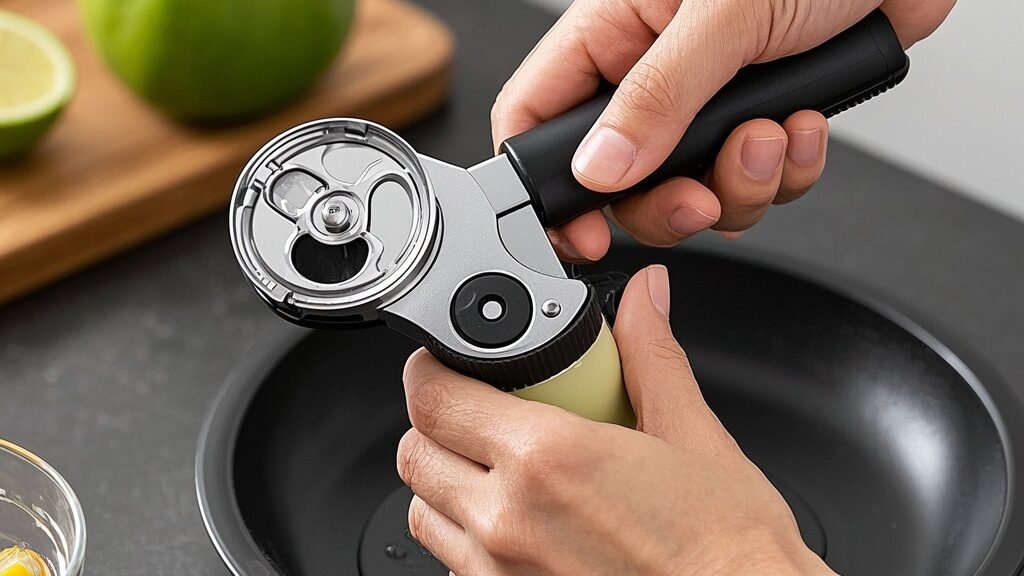
The definitive answer for nurseries lies in a specific type of electric can opener: the side-cutting or smooth-edge model. Unlike traditional openers, these devices work by separating the lid from the side of the can, just beneath the rim. The result is a lid with a perfectly smooth, rounded edge that is safe to touch and eliminates the risk of sharp metal fragments. According to expert testing, this feature alone makes it the paramount choice for safety. Additionally, because the cutting mechanism never pierces the top of the lid and operates from the side, the blade never makes contact with the food inside. This is a major hygiene advantage, preventing cross-contamination and ensuring that each can’s contents remain pure and untainted. While these units are typically larger than manual openers, their sleek design allows for secure countertop storage in a nursery kitchenette.
Essential Features Beyond the Cutting Mechanism
While the cutting technology is the core safety feature, other factors are crucial for nursery suitability. Ease of cleaning is non-negotiable. Look for models with detachable, dishwasher-safe parts to support strict sanitation routines. The opener should also be stable during operation to prevent slips, with non-slip feet being a valuable feature. For nurseries dealing with various can sizes, including smaller baby food cans, ensuring the opener has a strong magnetic lid lifter is key. This securely holds the smooth lid after cutting, allowing for clean, hands-off disposal and preventing it from falling back into the food. Durability is another consideration; a nursery opener will see frequent use, so a robust construction from a reputable manufacturer is a wise investment. Finally, an automatic stop function that disengages the blade once the cut is complete adds an extra layer of operational safety for busy staff.
Integrating the Tool into a Holistic Safety Protocol
Introducing the safest can opener is only one step. Its value is fully realized when integrated into clear nursery protocols. Staff should be trained on its proper use, emphasizing that its smooth-edge result does not eliminate the need for careful food inspection. A standard operating procedure should include visually checking the can’s rim and the food itself before serving. The opener itself must be included in the daily cleaning checklist. Furthermore, choosing baby food brands that prioritize safety with features like BPA-free linings complements the effort. The goal is to create a layered defense where the specialized tool, trained practices, and quality products work in concert to achieve a near-zero-risk outcome during meal prep.
Who Should Consider a Smooth-Edge Electric Can Opener?
This tool is not merely a convenience; it is a critical risk-mitigation investment for any professional childcare environment. Nursery directors and owners seeking to elevate their safety standards and duty of care should prioritize this equipment. Head chefs and kitchen staff in daycare centers will appreciate the hygienic and efficient workflow it enables. Licensing inspectors and child safety advocates would recognize its implementation as a mark of a facility that attends to minute details. Ultimately, any setting responsible for preparing food for vulnerable populations, where the consequences of a lapse are severe, will find its value undeniable. It transforms a routine task from a point of potential vulnerability into a demonstration of unwavering commitment to safety.
Find the perfect and safest can opener for your nursery’s needs below
Related Guides:
- Best Rated Can Openers 2026 (All Categories)
- Best Can Opener for Seniors with Weak Grip (2026 Top Picks)
- Best Can Opener for Arthritis Patients (2026 Pain-Free Picks)
- Best Can Opener for Stroke Survivors (2026 Easy-Use Picks)
- Best Electric Can Opener (2026 Top-Rated Automatic Models)
- Best Hands-Free Can Opener (2026 No-Grip Effort Models)
- Best Manual Can Opener (2026 Ergonomic Low-Effort Models)
- Best Sharp-Edge-Free Can Opener (2026 Safe No-Cut Models)