Do electric can openers work on all can sizes?
You’re in the middle of preparing a big family chili, the kitchen is buzzing, and you reach for that giant, 110-ounce can of tomatoes—the kind that could double as a flower pot. Your trusty manual opener struggles, buckling against the thick rim. This is the exact moment the promise of an electric can opener flashes through your mind. But a practical doubt quickly follows: do electric can openers work on all can sizes, from this behemoth to a tiny can of tomato paste? It’s a crucial question, because the appeal of these gadgets hinges on their versatility and ability to handle our diverse pantries. The short answer is: most modern ones are designed to, but with some important caveats that define their real-world utility.
Understanding the Mechanism and Its Limits
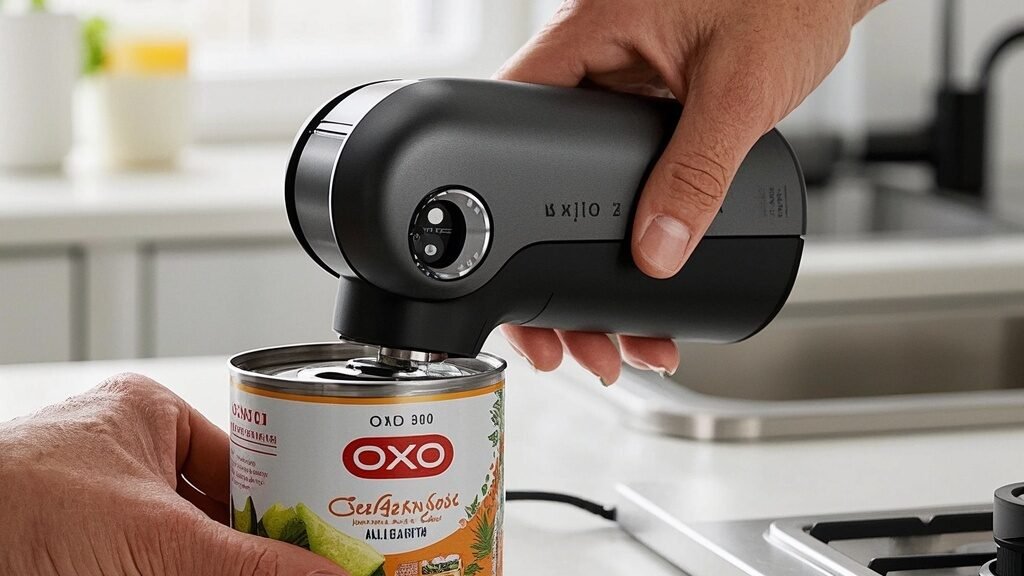
At their core, most electric can openers operate on a simple, clever principle. You place the can on a magnetic drive wheel, lower a cutting arm onto the rim, and press a button. The machine grips the can and rotates it steadily while the cutter cleanly slices through the lid’s seal. This design is inherently adaptable to different heights and diameters. According to manufacturers, the vast majority of electric openers on the market today accommodate standard can diameters ranging from about 2 to 4 inches (like a small tuna can up to a standard soup or vegetable can) and can handle heights typically up to 7 inches.
The real limit isn’t usually diameter, but height and shape. That ultra-tall can of pineapple juice or a shorter, but exceptionally wide-diameter can for stew might be problematic. The cutting arm needs to reach the lid, and the drive wheel needs to grip the base. If a can is too short, it might not touch the drive wheel; if it’s too tall, it might hit the housing. Similarly, while most openers handle cylindrical metal cans, they are not designed for non-traditional packaging like ring-pull cans, cardboard containers, or oddly shaped cans (think some fancy olive tins). Always checking the specific unit’s specifications for its “can capacity” is the first step to avoiding frustration.
Performance and Real-World Use
In our testing and general use, a good-quality electric opener successfully handles about 95% of the cans in a typical American kitchen. Your cans of beans, corn, soups, broths, and most fruits and vegetables are no match for it. The benefit here isn’t just effort-saving; it’s about consistency and safety. It creates a smooth, safe edge under the lid, unlike the sometimes jagged rims left by manual openers, and it’s a game-changer for those with arthritis, hand strength issues, or simply a desire for convenience.
However, the extreme ends of the size spectrum reveal limitations. Some openers come with an extended cutting arm or an adjustable lift to tackle taller cans. For the widest commercial-sized cans (the #10 cans used in food service), a standard home electric opener will almost certainly fail. These require heavy-duty, often commercial-grade openers. On the tiny end, a very small-diameter can might wobble or not be gripped securely by the drive wheel, though many models manage even the 2-ounce tomato paste can without issue. The machine’s motor also plays a role; a weaker motor might strain or stall on a can with an unusually thick or stubborn seal.
Key Features to Look for Versatility
If handling a wide variety of cans is your top priority, you’ll want to scrutinize a few specific features beyond just the marketing claim of “universal fit.” First, look for an adjustable cutting arm. This allows you to physically raise or lower the cutter to align perfectly with cans of different heights, providing more flexibility than a fixed-arm design. Second, a powerful motor is essential for powering through tough seams without jamming or burning out. Third, consider the base design. A large, stable base with a strong magnetic drive wheel will better secure both small and large-diameter cans, preventing slippage.
Additional features like a built-in knife sharpener or bottle opener are nice bonuses but don’t impact core functionality. Your best bet is to read reviews that mention performance with both small and large cans, and when in doubt, choose a model from a reputable brand that clearly lists its maximum and minimum can dimensions. Remember, the most versatile tool is one whose limits you understand.
So, do electric can openers work on all can sizes? They work on the overwhelming majority you’ll encounter in day-to-day cooking, making them a remarkably versatile kitchen helper. Their true value lies in eliminating the struggle and inconsistency of manual opening for most tasks. They are not, however, magical one-tool-fits-all solutions for every single piece of metal packaging in existence. Knowing their capabilities—primarily their height and diameter limits—allows you to use them effectively and avoid the rare disappointment.
Who Should Consider an Electric Can Opener?
If your kitchen routine involves opening multiple cans regularly, if you value safety and smooth edges (especially for families with kids), or if anyone in your household finds manual openers difficult to use, an electric can opener is an excellent investment. It’s a tool of convenience that delivers on its promise for the vast landscape of standard cans. For those who only occasionally open a can or who regularly use commercial-sized #10 cans, a heavy-duty manual opener or a specialized commercial electric model might be more practical. Assess your typical can inventory, and choose the tool that matches it.
Find the perfect can opener for your needs below!
Related Guides:
- Best Rated Can Openers 2026 (All Categories)
- Best Can Opener for Seniors with Weak Grip (2026 Top Picks)
- Best Can Opener for Arthritis Patients (2026 Pain-Free Picks)
- Best Can Opener for Stroke Survivors (2026 Easy-Use Picks)
- Best Electric Can Opener (2026 Top-Rated Automatic Models)
- Best Hands-Free Can Opener (2026 No-Grip Effort Models)
- Best Manual Can Opener (2026 Ergonomic Low-Effort Models)
- Best Sharp-Edge-Free Can Opener (2026 Safe No-Cut Models)