Are electric can openers better than manual ones?
The humble can opener is a kitchen drawer staple, yet it often inspires a surprising amount of debate. Picture this: your hands are slick from preparing dinner, you’re trying to multitask, and a stubborn can of tomatoes refuses to yield to your twisting, straining manual opener. In moments of culinary frustration, the question of tool efficiency moves from abstract to intensely practical. This common scenario forces a direct comparison between two distinct approaches to a simple task, pushing us to ask: Are electric can openers better than manual ones? The answer isn’t a simple yes or no, but a balance of convenience, control, cost, and kitchen philosophy.
Convenience vs. Control: The Core Trade-Off
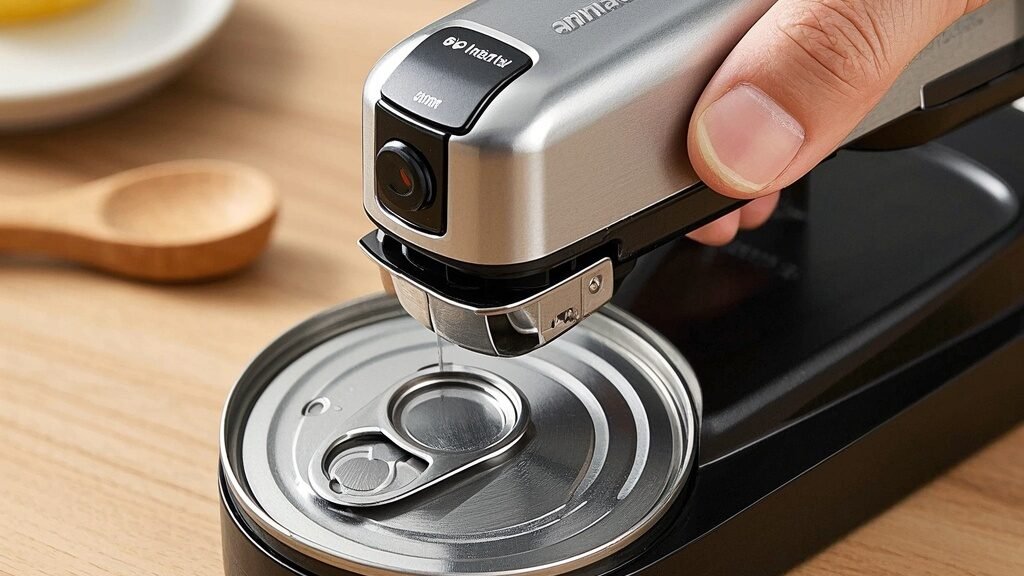
Let’s start with the electric opener’s biggest sell: effortless operation. You place the can under the magnetic cutter, press a button, and it does the work for you. Your hands stay clean, and there’s no wrist strain—a significant advantage for those with arthritis, limited hand strength, or who simply open multiple cans frequently. Most models leave a smooth, safe edge on the can lid, eliminating sharp rims. However, this convenience comes with trade-offs. Electric units require counter space and an outlet, and they need periodic cleaning of their cutting mechanism to prevent food gunk buildup. The manual opener, in contrast, is a study in direct control. It’s lightweight, portable, and ready to use anywhere, from your kitchen to a campsite. You dictate the speed and pressure. While mastering the perfect alignment on a manual opener can be tricky, a well-designed model provides tactile feedback and a satisfying sense of accomplishment. It asks for a bit of your effort but gives complete independence in return.
Performance and Real-World Use
In terms of pure functionality, both can succeed, but their performance profiles differ. A quality electric opener is remarkably consistent. According to manufacturer claims and user reviews, a good model will cleanly open any standard steel can with near-100% reliability, handling everything from petite tuna cans to large soup containers without complaint. Manual openers, however, have a wider performance range. A cheap, dull manual opener can be a nightmare, mangling lids and leaving dangerous, jagged edges. Investing in a well-reviewed, sturdy manual opener (often with a comfortable, turning knob) makes a world of difference, offering a clean cut rivaling an electric one. The real-world difference often lies in the aftermath. Electric openers typically hold the lid magnetically for easy disposal, while with manual models, you’re often left prying a loose lid out of the can—a small but sometimes messy step.
Cost, Longevity, and Kitchen Footprint
This decision often boils down to economics and kitchen logistics. A reliable manual opener can cost between $10 and $30 and, with proper care, can last for decades with no additional costs. It tucks neatly into a drawer. An electric opener represents a larger upfront investment, generally ranging from $20 to $60 for a basic model, with high-end versions costing more. It is also a more complex device with moving parts and a motor that could eventually fail or require replacement. You’re trading long-term simplicity for immediate, hands-free convenience. Furthermore, in our testing and general use, the electric model’s need for dedicated counter space is a non-negotiable factor for those with smaller kitchens. It’s not just an appliance; it’s a permanent fixture.
Who Should Consider an Electric Can Opener?
So, is one objectively better? It depends entirely on your personal needs and how you use your kitchen. The electric opener shines as a tool of accessibility and ease. It’s the superior choice for individuals with physical limitations in their hands or wrists, for busy home cooks who value speed and cleanliness during meal prep, or for anyone who simply prefers pushing a button to turning a knob. It turns a chore into a background task.
Conversely, the manual opener wins on durability, space-saving design, and cost-effectiveness. It’s ideal for minimalists, occasional can users, those with limited counter space, or anyone who appreciates a simple, reliable tool without plugs or motors. It’s also the clear choice for any situation beyond a standard kitchen counter, like picnics or RVs.
Ultimately, the “better” tool is the one that best fits your life. For sheer, daily convenience and accessibility, the electric can opener offers a compelling modern advantage. For timeless reliability and simplicity, a high-quality manual opener remains a champion. Assess your own kitchen habits, physical needs, and space, and you’ll find the perfect tool waiting for you.
Find the perfect can opener for your needs below!
Related Guides:
- Best Rated Can Openers 2026 (All Categories)
- Best Can Opener for Seniors with Weak Grip (2026 Top Picks)
- Best Can Opener for Arthritis Patients (2026 Pain-Free Picks)
- Best Can Opener for Stroke Survivors (2026 Easy-Use Picks)
- Best Electric Can Opener (2026 Top-Rated Automatic Models)
- Best Hands-Free Can Opener (2026 No-Grip Effort Models)
- Best Manual Can Opener (2026 Ergonomic Low-Effort Models)
- Best Sharp-Edge-Free Can Opener (2026 Safe No-Cut Models)