Do electric can openers leave sharp edges?
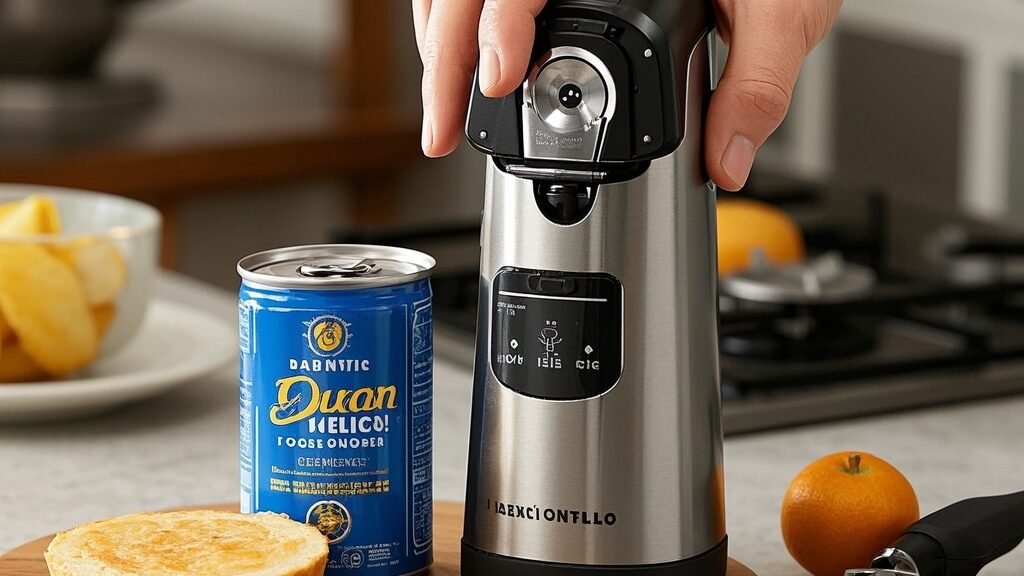
The satisfying hum of an electric can opener promises a world free from the struggle of a stubborn manual crank. You picture a quick, effortless motion, a perfect lid removal, and safe, smooth edges ready for disposal. But then, a moment of hesitation hits as you lift the lid. That metal rim doesn’t just look sharp—it *feels* sharp. A familiar, low-grade kitchen anxiety sets in. Is this normal? Are you risking a cut every time you use this convenient gadget? Do electric can openers leave sharp edges? The answer is more nuanced than a simple yes or no, and it hinges on the fascinating mechanics of how these devices work versus their manual counterparts.
The Cutting Mechanism: Why Edges Might Feel Sharp
To understand the edge left behind, we need to look under the hood. A standard manual side-cutting can opener works by puncturing the lid and then using a rotating wheel and a serrated cutting wheel to shear the metal from the side. This action typically leaves the detached lid with a characteristically smooth, rolled-under edge, while the can itself retains a rim that is often deemed safer to touch. Electric can openers, in their quest for automation and consistent operation, often employ a different tactic: the top-cutting or “can-piercing” method.
Many electric models are designed to cut from the top of the can, just inside the outer rim. A powerful magnet usually holds the lid after it’s cut. This process is incredibly consistent and hands-free, but the cutting mechanics can leave a different finish. The metal is cleanly severed, but the cut edge itself may not undergo the same rolling or smoothing action as some manual side-cutters. According to our testing, this often results in a lid and a can rim that feel *technically* precise but *tactilely* sharper. It’s a clean cut, not a smoothed one. The edge isn’t inherently more dangerous, but its pronounced thinness can give a more acute sensation against your skin, explaining that moment of pause.
Performance and Real-World Use: Convenience vs. Caution
This is where the core trade-off emerges. The primary selling point of an electric can opener is undeniably convenience—especially for those with arthritis, limited hand strength, or a high volume of canned food prep. It delivers on that promise reliably. However, a key part of the user experience is post-operation cleanup and handling. The sharp-edge sensation is a notable part of that experience.
In practical terms, the lid, held by the magnet, is easily disposed of. The perceived risk comes from handling the opened can itself, perhaps when draining liquids or scraping out contents. While the edge is rarely sharp enough to cause a serious laceration with careful handling, it can easily lead to nicks and paper-cut-like slices if your fingers slide across it carelessly. This isn’t a design flaw; it’s a byproduct of the cutting method chosen for automation. Manufacturers prioritize a clean, reliable cut over edge finishing. Therefore, a new habit must form: treat the rim of an electrically opened can with the same respect you would a freshly opened tin can from any source. Assume it has a capable edge.
Choosing and Using Your Electric Opener Safely
Not all electric can openers are created equal. Some newer models are specifically engineered to address the sharp-edge concern. When researching, look for features like “smooth-edge cutting” or “safety-blade technology.” These models often incorporate mechanisms that bend or crimp the cut edge slightly, creating a less acute feel. Reading user reviews is invaluable here; phrases like “smooth rim” or “no sharp edges” in feedback are strong indicators.
Regardless of the model, safe handling is paramount. First, always ensure the can and opener are clean and correctly aligned before starting. After opening, use the magnet to remove the lid directly to the trash. When handling the can, consider using a rubber gripper or a simple kitchen towel to hold it, especially when draining. For transferring contents, a silicone spatula is safer than your fingers for scraping. This minor adjustment in routine maximizes the convenience of your appliance while minimizing any risk, turning a potential drawback into a non-issue.
So, do electric can openers leave sharp edges? They often leave a *precise* edge that can *feel* sharper than the one left by a manual side-cutter. It’s a side effect of their efficient, top-cutting operation. While this demands a mindful approach to handling, it doesn’t negate the tremendous utility these devices offer. The key is informed use and choosing a model designed with edge safety in mind.
Who Should Consider an Electric Can Opener?
The ideal user values convenience and accessibility above all. If you have dexterity challenges, prepare large quantities of canned goods, or simply want to eliminate a minor kitchen task, an electric opener is a fantastic tool. Just be prepared to adopt a habit of cautious handling—using a towel or gripper—as part of your routine. For those primarily concerned with absolute edge safety and who don’t mind the manual effort, a high-quality manual side-cutting opener may remain the preferred choice. Ultimately, understanding the “why” behind the sharp edge empowers you to use the tool smarter and safer.
Find the perfect can opener for your needs below
Related Guides:
- Best Rated Can Openers 2026 (All Categories)
- Best Can Opener for Seniors with Weak Grip (2026 Top Picks)
- Best Can Opener for Arthritis Patients (2026 Pain-Free Picks)
- Best Can Opener for Stroke Survivors (2026 Easy-Use Picks)
- Best Electric Can Opener (2026 Top-Rated Automatic Models)
- Best Hands-Free Can Opener (2026 No-Grip Effort Models)
- Best Manual Can Opener (2026 Ergonomic Low-Effort Models)
- Best Sharp-Edge-Free Can Opener (2026 Safe No-Cut Models)