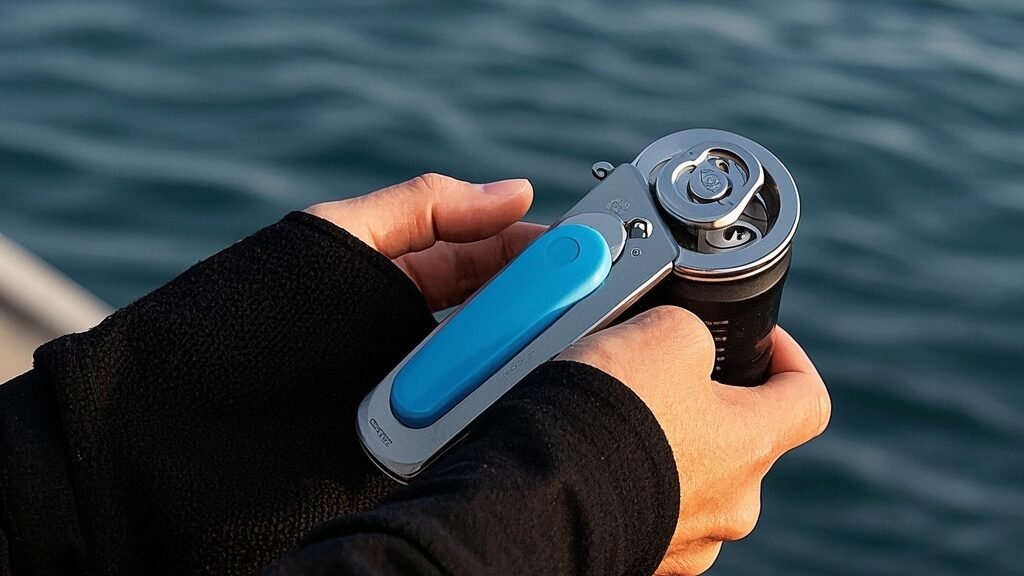
Are automatic can openers safe for elderly people?
Picture this: it’s dinnertime, and a simple can of soup stands between you and a warm meal. For many older adults, this everyday task can become a source of frustration or even anxiety. Arthritic hands struggle to grip a manual opener, weakened wrists can’t generate enough turning force, and concerns about sharp lids or slipping tools turn a quick chore into a daunting challenge. In the quest for maintaining independence in the kitchen, a simple device often emerges as a potential hero: the automatic can opener. But is this convenient appliance truly a safe solution for elderly users, or does it introduce new risks?
Understanding the Safety Advantages
The core safety benefits of automatic can openers for seniors are significant and address some of the most common physical limitations. First and foremost, they eliminate the need for manual strength and dexterity. Users with arthritis, Parkinson’s, or general weakness simply place the can, align the magnet (on most models), and press a button. The machine does the hard work of gripping and rotating the can, removing the painful twisting motion. Secondly, they dramatically reduce the risk of cuts. A quality automatic opener leaves a smooth, safe edge on the can, unlike the jagged rim left by some manual openers. The user never touches the lid itself, which is typically held securely by a magnet, preventing accidental contact with sharp metal. This addresses a major fear for both seniors and their caregivers. Furthermore, many modern designs are easy to operate with one hand and feature large, intuitive buttons, which is crucial for those with reduced motor skills or vision changes.
Potential Risks and Important Considerations
However, labeling them universally “safe” requires a closer look. Not all automatic openers are created equal, and improper use can negate their benefits. One concern is stability and operation. Some lighter or cheaper models can “walk” or vibrate during use, potentially knocking the can over. The user must still apply slight downward pressure to ensure proper engagement, which might be difficult for some. Electrical safety is another point. Cords can pose a tripping hazard, and devices must be kept away from water. There’s also the learning curve. While operation is simple, some seniors unfamiliar with the technology may find the buttons, indicator lights, or alignment process confusing at first, leading to misuse. Finally, maintenance is key. A blade that becomes dull from overuse or lack of cleaning can crush the can instead of cutting it cleanly, creating a safety hazard and a mess.
Choosing the Right Model for Maximum Safety
Safety is heavily dependent on choosing the right model and using it correctly. When shopping for an elderly user, prioritize these features: Look for a heavy-base or non-slip design to prevent movement during operation. A strong magnetic lid lifter is essential—it should securely hold the lid away from the food and the user’s fingers. Opt for simplicity: a single, large button for start/stop is often better than multiple small buttons. Consider a cordless model to eliminate tripping hazards and increase placement flexibility, though this means remembering to recharge it. Brands like Hamilton Beach and Cuisinart offer models often recommended for their stable bases and reliable magnets. Regardless of the model, the initial setup should include a demonstration and practice session to ensure comfort and confidence.
The Verdict: A Tool for Independence, Used Wisely
So, are automatic can openers safe for elderly people? The balanced answer is yes—when selected carefully and used properly, they can be a remarkably safe and empowering tool. They directly mitigate the primary dangers associated with manual opening: requiring grip strength, exposing users to sharp edges, and demanding precise coordination. For seniors determined to age in place and maintain their kitchen independence, a good automatic can opener can reduce reliance on others for a basic task, boosting confidence and quality of life. Their safety, however, isn’t automatic; it’s a combination of thoughtful product selection, proper instruction, and awareness of the device’s limitations.
Who Should Consider an Automatic Can Opener?
This appliance is an excellent fit for seniors experiencing hand weakness, arthritis, tremors, or reduced vision that makes manual openers difficult or dangerous. It’s also a great piece of mind for family members and caregivers who worry about kitchen safety from afar. For those with severe cognitive impairment or very limited hand function, a different solution (like electric can openers with larger touch pads or caregiver assistance) might be more appropriate. Ultimately, it’s about matching the tool to the individual’s specific abilities and needs.
Ready to explore a safer, easier kitchen experience? Find the perfect can opener for your needs below! Look for models with strong stability features, a proven magnetic lifter, and straightforward controls to turn a daily challenge into a simple, secure task.
Related Guides:
- Best Rated Can Openers 2026 (All Categories)
- Best Can Opener for Seniors with Weak Grip (2026 Top Picks)
- Best Can Opener for Arthritis Patients (2026 Pain-Free Picks)
- Best Can Opener for Stroke Survivors (2026 Easy-Use Picks)
- Best Electric Can Opener (2026 Top-Rated Automatic Models)
- Best Hands-Free Can Opener (2026 No-Grip Effort Models)
- Best Manual Can Opener (2026 Ergonomic Low-Effort Models)
- Best Sharp-Edge-Free Can Opener (2026 Safe No-Cut Models)