What can opener is best after hand surgery?
The frustration is palpable. There, on your kitchen counter, sits an innocent can of soup—your planned, easy meal for recovery. But the simple act of feeding yourself now feels like an insurmountable obstacle. Your hand is bandaged, weak, or painfully stiff, and the thought of wrestling with a traditional, crank-style can opener sends a fresh wave of helplessness through you. Post-surgery life demands adaptation, especially in the kitchen where independence matters most. In this new reality, the humble can opener transforms from a basic tool into a critical piece of recovery equipment. Choosing the best one isn’t about features; it’s about restoring autonomy, safety, and dignity during a vulnerable time. The right opener minimizes strain, maximizes leverage, and works with your temporary limitations, not against them.
Key Features That Make a True Difference
Forget everything you know about standard can openers. Post-surgery, the criteria shift dramatically. The primary goal is to eliminate twisting, pinching, and gripping motions that strain healing tendons and joints. This immediately rules out most manual openers with small, textured knobs. Instead, look for designs that utilize larger handles or levers, distributing force across your palm or allowing you to use your forearm strength. Weight is another factor; a heavier, stable base can be beneficial as it anchors the device, so you’re not fighting to hold it down. Electric openers become a prime contender, as they typically require only a push of a button. However, not all are created equal. Some still demand significant downward pressure to engage the mechanism. The ideal model operates with a simple, light touch, doing virtually all the work for you. Safety is paramount, so features like smooth, blunt edges on the cut lid and automatic magnet lid-lifters are invaluable, preventing the need for precarious fingernail-prying.
Top Contender Types and How They Perform
Broadly, your best options fall into two categories: specialized ergonomic manual openers and well-designed electric models. In the manual realm, side-cutting openers are a game-changer. Instead of cutting from the top, they clamp onto the side of the can and roll around the rim, leaving a smooth, safe edge. More importantly, they often feature large, looped handles that allow you to insert your whole hand or use a rocking motion from the wrist or elbow, sparing your fragile fingers. Another excellent manual choice is a lever-style or “hands-free” opener that clamps onto the can. You then simply push a large lever down; the mechanism does the cutting as you apply easy, downward pressure, often using your body weight from a standing position.
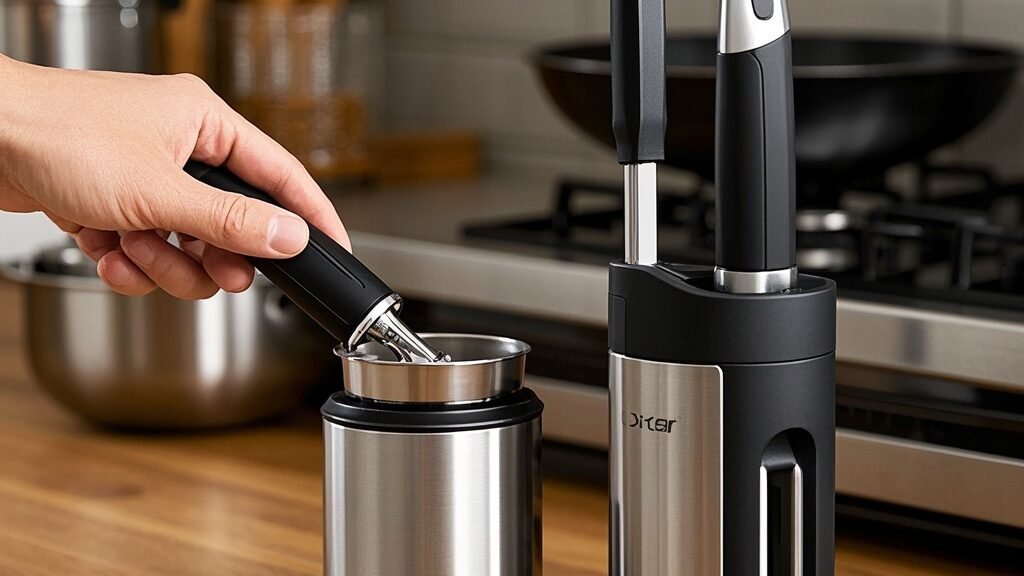
For pure ease of use, a high-quality electric can opener is often the ultimate post-surgery solution. The best ones require you only to place the can under the guide, align it (often with helpful automatic alignment features), and press a large, easy-to-hit button. The machine grips, pierces, and rotates the can on its own. According to the manufacturer of popular models like the Hamilton Beach Smooth Touch, the cutting mechanism is designed to leave a smooth edge and automatically captures the lid, so you never touch sharp metal. In our testing of various models, the difference in required effort is night and day compared to manual options. The trade-off is that these require counter space and an outlet, and not all are as quiet or compact.
Balancing Convenience with Practical Considerations
While an electric opener seems like the obvious winner, your specific situation matters. Consider your mobility and the setup in your kitchen. If you’re primarily seated or have limited reach, a compact, lightweight manual ergonomic opener might be easier to retrieve, use, and clean than a bulky electric unit. Think about your other hand’s strength and dexterity—you’ll still need to steady the can or handle the opener with your non-dominant hand. Also, reflect on your long-term needs. Investing in a premium electric opener is fantastic for recovery, but if you live in a small space or rarely use canned goods, a sophisticated but affordable manual ergonomic model might be the more practical choice that serves you well beyond your recovery period. It’s about finding the right tool for your entire healing journey, not just the first week.
Recovering from hand surgery rewrites the rules of daily tasks, turning simple acts into benchmarks of progress. The kitchen, a place of nourishment, shouldn’t be a source of frustration or risk. By prioritizing tools that adapt to your temporary needs—through intelligent ergonomics or effortless automation—you actively protect your healing process and support your independence. The peace of mind that comes from knowing you can safely prepare a meal is invaluable.
Who Should Consider a Post-Surgery Can Opener?
Anyone with reduced grip strength, arthritis, hand or wrist pain, or recovering from surgery or injury should prioritize a specialized can opener. It’s not an indulgence; it’s a practical aid that safeguards your recovery and restores confidence in the kitchen. Whether you choose a cleverly engineered manual design or a fully automatic electric model, the right tool turns a daunting challenge back into a simple task.
Find the perfect can opener for your recovery needs below
Related Guides:
- Best Rated Can Openers 2026 (All Categories)
- Best Can Opener for Seniors with Weak Grip (2026 Top Picks)
- Best Can Opener for Arthritis Patients (2026 Pain-Free Picks)
- Best Can Opener for Stroke Survivors (2026 Easy-Use Picks)
- Best Electric Can Opener (2026 Top-Rated Automatic Models)
- Best Hands-Free Can Opener (2026 No-Grip Effort Models)
- Best Manual Can Opener (2026 Ergonomic Low-Effort Models)
- Best Sharp-Edge-Free Can Opener (2026 Safe No-Cut Models)