Are Cordless Electric Can Openers Better Than Plug-In Models?
Picture your kitchen during meal prep: ingredients are laid out, the pan is heating, and you reach for that last can of tomatoes. With a plug-in opener, you’re scanning for an outlet, managing a cord, and positioning the base just right. It’s a small task, but in a busy kitchen, these micro-frictions add up. This is where the debate between cordless and plug-in electric can openers becomes more than just about convenience—it’s about reimagining a mundane tool for modern living. Choosing the right model can subtly transform your kitchen workflow. So, which type truly earns its counter space? Are cordless electric can openers better than plug-in models? The answer isn’t a simple yes or no; it depends entirely on how you cook, where you store your gadgets, and what you value most in a helper.
Performance and Real-World Use
Let’s talk about what both types do identically well: they open cans reliably, saving you wrist strain and inconsistency. The core performance difference lies not in the cutting but in the setup. A plug-in model is virtually always ready to go, offering consistent power as long as it’s plugged in. There’s no battery to deplete mid-task. However, it tethers you to an outlet. This can be problematic on crowded countertops or islands with limited plug access. You might need to lift a heavy appliance or awkwardly drag it to the edge.
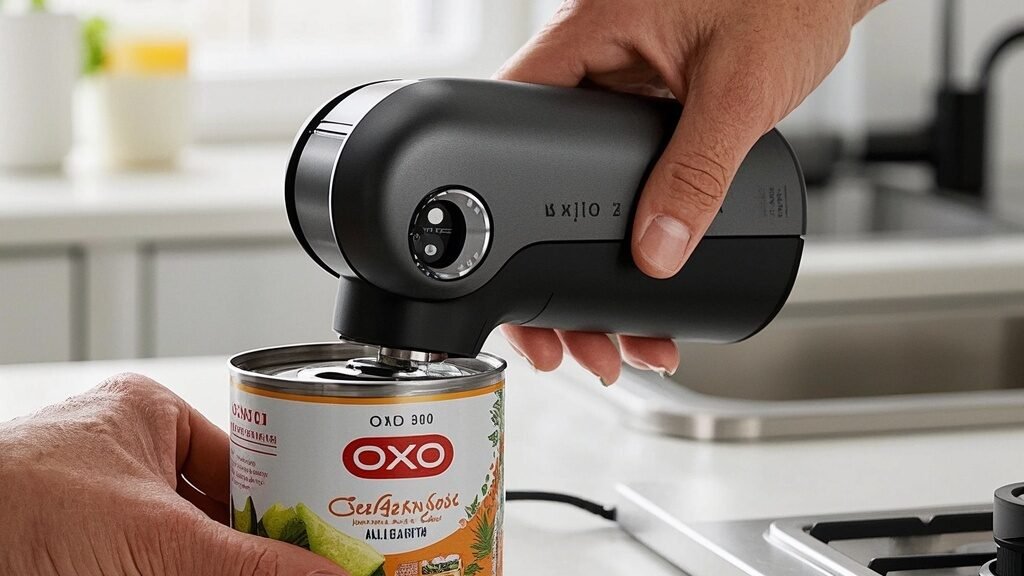
A cordless opener, powered by rechargeable batteries, offers complete freedom of placement. You can use it anywhere—on the counter, over a tall recycling bin, or even at a picnic table. The trade-off? You must remember to charge it. According to manufacturers, most offer enough power for dozens of cans on a single charge, but forgetting to dock it back on its charger means you could be left with a dead tool when you need it. In our testing, modern cordless models are quite robust, but for someone who uses a can opener infrequently, a dead battery after months of neglect is a real possibility.
Convenience, Storage, and Kitchen Design
This is where the cordless model often shines for contemporary lifestyles. Modern kitchens favor clean, uncluttered lines. A cordless opener is inherently neater. Without a cord, it’s easier to tuck into a drawer or a cabinet organizer immediately after use, freeing up precious counter space. Its lightweight, portable nature also makes it excellent for multi-location use—think of using it in the kitchen, then easily taking it to the garage for a food drive packing session.
Plug-in models, with their necessary cord (often quite short), demand a dedicated spot near an outlet. They tend to be heavier and designed as permanent countertop fixtures. If you have a designated “appliance corner” with a power strip and don’t mind the visual of another cord, this isn’t an issue. But for those practicing countertop minimalism or with limited outlet space, the cord can be a significant drawback. The convenience of cordless storage is a major point in its favor for organized, small, or modern kitchens.
Durability and Long-Term Value
Plug-in models have a reputation for being workhorses. With fewer electronic components than a battery-powered device, they often have simpler mechanics and no battery to degrade over time. A quality plug-in opener can last for a decade or more with basic cleaning. You’re paying for the motor and the mechanism, period.
Cordless openers are more complex. Their long-term value hinges on battery lifespan. Rechargeable batteries have a finite number of charge cycles. After several years, you may find the unit holds a charge for fewer and fewer cans. Some high-end models have user-replaceable batteries, which is a huge plus for sustainability and longevity. Others do not, meaning the entire unit may need replacement once the battery fails. When evaluating cost, consider not just the upfront price but the potential lifespan. A cheaper cordless model with a sealed battery might be less economical in the long run than a dependable plug-in.
Who Should Consider a Cordless Electric Can Opener?
The choice ultimately boils down to your personal kitchen ecology. A cordless electric can opener is likely better for you if: you value clear countertops and prefer to store appliances away; your kitchen has limited or inconveniently placed outlets; you appreciate portability for use in different locations (like RVs, vacation homes, or outdoor cooking); or you simply prefer the sleek, cord-free aesthetic.
Stick with a reliable plug-in model if: you want absolute reliability with zero worry about battery life; you have a dedicated prep area with easy outlet access and don’t mind the cord; you prioritize long-term durability and simpler mechanics over portability; or you use a can opener very infrequently and fear a battery would die between uses.
Both designs effectively solve the core problem of opening cans effortlessly. The “better” tool is the one that disappears seamlessly into your routine, causing the least friction. By weighing your countertop space, outlet reality, and usage habits, you can cut through the noise and find the perfect match for your cooking style.
Find the perfect can opener for your needs below!
Related Guides:
- Best Rated Can Openers 2026 (All Categories)
- Best Can Opener for Seniors with Weak Grip (2026 Top Picks)
- Best Can Opener for Arthritis Patients (2026 Pain-Free Picks)
- Best Can Opener for Stroke Survivors (2026 Easy-Use Picks)
- Best Electric Can Opener (2026 Top-Rated Automatic Models)
- Best Hands-Free Can Opener (2026 No-Grip Effort Models)
- Best Manual Can Opener (2026 Ergonomic Low-Effort Models)
- Best Sharp-Edge-Free Can Opener (2026 Safe No-Cut Models)