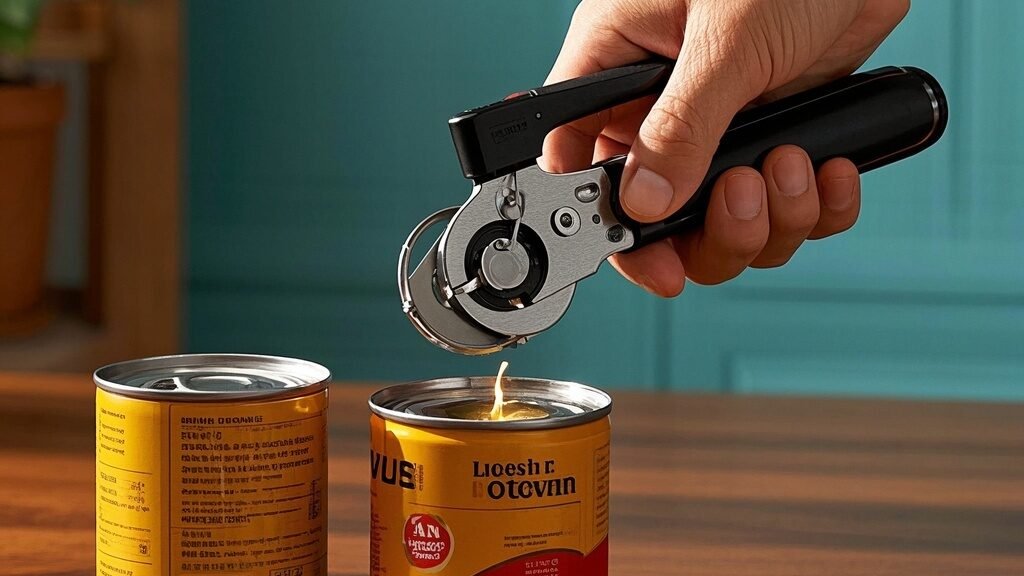
Can Electric Can Openers Be Used by People with Limited Mobility?
Imagine holding a can of soup, your favorite comfort food, but the simple act of accessing it feels like an insurmountable task. For millions with arthritis, limited hand strength, post-surgical recovery, or conditions like Parkinson’s, that humble can of beans represents a daily frustration and a loss of independence. The traditional manual opener—with its required grip, twist, and leverage—becomes a barrier rather than a tool. This is where the question of utility shifts from convenience to necessity: Can electric can openers be used by people with limited mobility? The answer is a resounding yes, and they often serve as a critical assistive device, transforming a challenging chore into an effortless task with the push of a single button.
The Core Advantages: Where Electric Openers Shine for Accessibility
The primary benefit of an electric can opener for someone with limited mobility lies in its drastic reduction of physical demand. Manual openers require significant grip strength, precise hand-eye coordination to align the cutter, and sustained rotational force in the wrist and forearm. Electric models eliminate nearly all of that. Operation typically involves placing the can onto a magnetic holder or guide, pressing down a lever (often with minimal force), and pushing a button. The machine does the hard work of cutting and traversing the lid. This process is invaluable for individuals with arthritis, reducing pain and strain in finger joints. For those with tremors or limited dexterity, the stable platform and automated action prevent slips and the frustration of misalignment. It’s not just about opening a can; it’s about preserving energy and confidence for the rest of meal preparation.
Key Features to Look for in an Accessible Model
Not all electric can openers are created equal when it comes to accessibility. When evaluating options, several features move from “nice-to-have” to essential. First, one-touch operation is crucial. The best models have a single, large button that initiates and stops the process, requiring no continuous pressure. Second, look for a strong automatic magnet that holds the lid after cutting. Manually prying off a sharp lid is a hazard for anyone with numb fingers or poor grip. Third, consider the force required to lower the cutting mechanism. Some levers are very light-touch, while others require more downward pressure—opt for the former. A side-cutting design is often preferred as it leaves a smooth, safe edge on the can, unlike some top-cut models that might leave a sharp rim. Finally, a large, non-slip base is vital for stability, ensuring the unit doesn’t move during operation if only one hand can be used to guide the can.
Potential Limitations and Practical Considerations
While highly beneficial, electric can openers do have limitations to consider. They require a power outlet and counter space, which might not suit all kitchen setups. The motor, while helpful, can be noisy. Not all models handle every can size or shape perfectly; unusually tall, short, or tapered cans might pose a challenge. According to manufacturer guidelines and our testing, most standard 10-15 oz cans work flawlessly. Maintenance is another factor. The cutting blade needs occasional cleaning to prevent food residue buildup, which can hinder performance. For users with very severe mobility limitations in both hands, even placing the can might require forethought. In these cases, a caregiver might assist with setup, but the individual can still independently operate the device with a finger, fist, or adaptive tool to press the button, maintaining a sense of control over the task.
Beyond the Can: A Tool for Empowerment and Safety
The impact of an accessible electric can opener extends beyond its primary function. It promotes nutritional independence, allowing individuals to easily access healthy, shelf-stable foods without relying on others. This fosters dignity and self-sufficiency. From a safety perspective, it drastically reduces the risk of cuts from sharp lids or slips from manual openers. The psychological benefit is equally significant. Overcoming a daily obstacle reduces mealtime anxiety and frustration, making cooking a more enjoyable and achievable activity. For caregivers and family members, it provides peace of mind knowing their loved one can safely prepare a simple meal or snack without risk of injury.
Who Should Consider an Electric Can Opener?
If you or someone you care for experiences persistent pain, weakness, tremors, or limited range of motion in the hands, wrists, or arms, an electric can opener is more than a convenience—it’s a practical assistive tool. It is particularly suited for seniors aging in place, individuals with arthritis, carpal tunnel syndrome, stroke recovery patients, and those with neuromuscular conditions. By removing a common physical barrier in the kitchen, it supports a more independent and enjoyable lifestyle.
Find the perfect can opener for your needs below!
Related Guides:
- Best Rated Can Openers 2026 (All Categories)
- Best Can Opener for Seniors with Weak Grip (2026 Top Picks)
- Best Can Opener for Arthritis Patients (2026 Pain-Free Picks)
- Best Can Opener for Stroke Survivors (2026 Easy-Use Picks)
- Best Electric Can Opener (2026 Top-Rated Automatic Models)
- Best Hands-Free Can Opener (2026 No-Grip Effort Models)
- Best Manual Can Opener (2026 Ergonomic Low-Effort Models)
- Best Sharp-Edge-Free Can Opener (2026 Safe No-Cut Models)