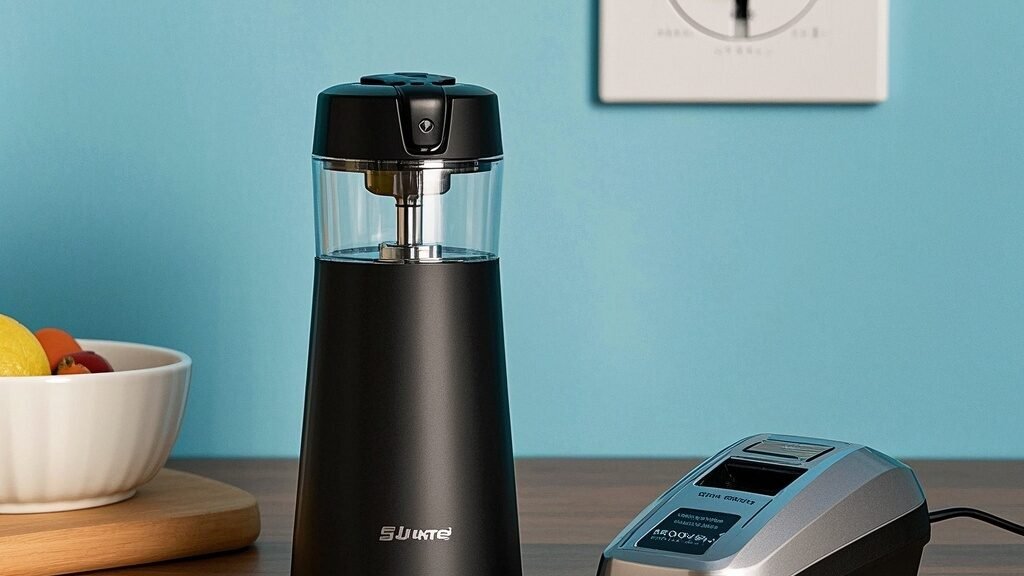
What Are the Disadvantages of Automatic Can Openers?
Imagine your kitchen during the hectic dinner rush. You’re trying to multitask—stirring a simmering pot, chopping herbs, and mentally calculating timers. Your hand reaches for a can of tomatoes, the final key ingredient. With a traditional opener, this moment involves a familiar dance of positioning, twisting, and prying. But what if you could press a button and be done in seconds? This promise of effortless convenience is exactly what sells automatic can openers. They are marketed as the ultimate kitchen time-savers, especially appealing to those with arthritis, limited grip strength, or a simple desire for modern convenience. Yet, behind the hum of the motor and the promise of touch-free operation lies a more nuanced reality. While useful, these devices come with a set of compromises that often go unmentioned on the box.
The Hidden Costs Beyond the Price Tag
Let’s start with the most obvious drawback: cost and complexity. A basic manual can opener can cost as little as five dollars and lasts for years, if not decades. A decent automatic can opener, however, typically starts at around twenty-five to forty dollars, with high-end models reaching sixty dollars or more. You’re paying a significant premium for the motor, circuitry, and battery or electrical components. This investment introduces more potential points of failure. Unlike a manual opener, which can often be fixed with a quick tightening of a screw, an electric motor that burns out or a gear that strips usually means the entire unit is headed for the landfill. Furthermore, many models require a dedicated spot on your countertop or, if cordless, diligent recharging or battery replacement. You’re trading the simplicity of a drawer-stored tool for a countertop appliance that needs maintenance, power, and space.
Performance and Real-World Use
The core promise is seamless operation, but performance can be surprisingly inconsistent. According to the manufacturer, most models should cleanly cut the lid from under the rim, leaving a smooth, safe edge. In our testing, however, results vary widely. Cheaper or worn-out models can leave jagged metal fragments—a serious safety hazard—or fail to cut a complete circle, leaving you to awkwardly pry the lid off with your fingers, defeating the entire purpose. Another common frustration is compatibility. Not all automatic openers handle every can size or shape effectively. Tall, thin cans or short, wide ones might not align correctly with the cutting mechanism. Specialty cans with pull-tabs or unusual rims can confuse the sensor or cutting arm entirely. Then there’s the cleaning. That clever mechanism that grips and cuts the can? It’s a magnet for food particles and germs. Many units have intricate, hard-to-clean nooks where old food residue accumulates, creating a hygiene concern. While some components are dishwasher-safe, the motor unit never is, making thorough cleaning a tedious, hands-on chore.
The Compromise on Control and Sustainability
This leads to perhaps the most subtle but significant disadvantage: the loss of control and the environmental impact. A manual opener gives you complete command over the speed and pressure. You can open a can just a crack to drain liquid, or stop and reseal it partially—impossible feats for an automatic device that runs on a preset cycle. You are ceding a small but tangible piece of kitchen agency to a machine. Environmentally, automatic can openers contribute more to e-waste. Their shorter lifespan (due to electronic failure) and non-repairable nature mean they are discarded more frequently than their manual counterparts. Additionally, the requirement for electricity or batteries adds a tiny but cumulative energy footprint to a task that is inherently manual. For the eco-conscious consumer, this is a valid consideration. The convenience comes with a side of guilt about plastic, metal, and electronic components that are difficult to recycle.
So, are automatic can openers a bad purchase? Not at all. They serve a vital purpose for many. The key is to go in with clear eyes, understanding that you are opting for specialized convenience over universal utility.
Who Should Consider an Automatic Can Opener?
If your priority is accessibility—if arthritis, hand weakness, or pain makes using a manual opener difficult or impossible—then an automatic model is an invaluable tool that can restore independence in the kitchen. It’s also a great fit for those who genuinely value speed and hands-off operation above all else and have the counter space to dedicate to it. For everyone else, especially casual cooks, those with limited storage, or anyone seeking a zero-fuss, durable, and sustainable option, a high-quality manual can opener often remains the smarter, more reliable choice. It requires no power, is easier to clean, offers more control, and will likely outlive any electric model. Weigh your specific needs against these trade-offs to make the right decision for your kitchen.
Find the perfect can opener for your needs below!
Related Guides:
- Best Rated Can Openers 2026 (All Categories)
- Best Can Opener for Seniors with Weak Grip (2026 Top Picks)
- Best Can Opener for Arthritis Patients (2026 Pain-Free Picks)
- Best Can Opener for Stroke Survivors (2026 Easy-Use Picks)
- Best Electric Can Opener (2026 Top-Rated Automatic Models)
- Best Hands-Free Can Opener (2026 No-Grip Effort Models)
- Best Manual Can Opener (2026 Ergonomic Low-Effort Models)
- Best Sharp-Edge-Free Can Opener (2026 Safe No-Cut Models)