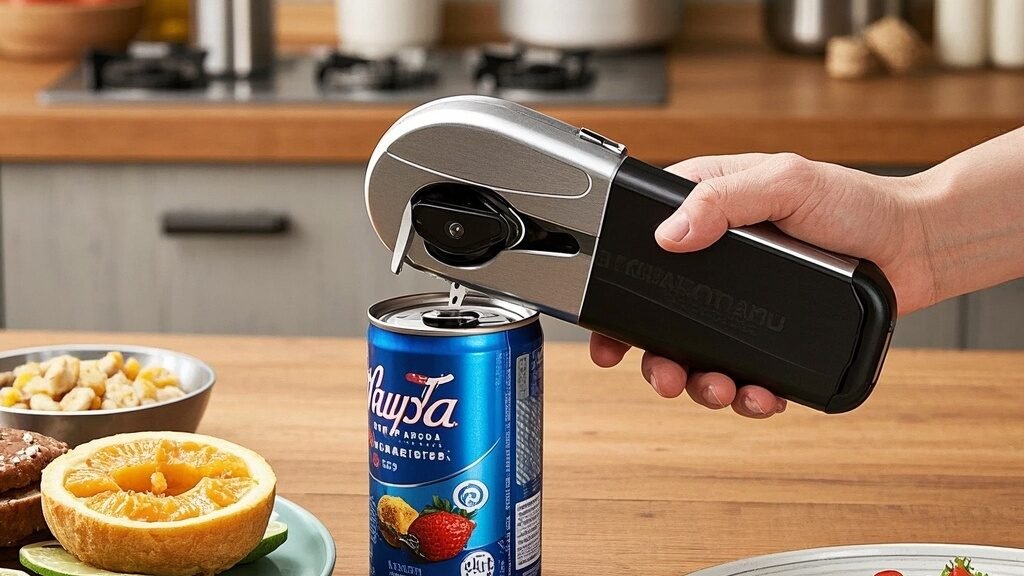
Can Seniors Safely Use Automatic Can Openers?
The simple act of opening a can of soup can become a quiet battlefield in many kitchens. Arthritic hands struggle to grip a manual opener, weakened wrists falter during the twisting motion, and a once-routine task morphs into a source of frustration and even risk. For an aging population determined to maintain independence, these daily hurdles are deeply personal. Enter the modern automatic can opener, a device that promises liberation with the push of a button. But its whirring motor and perceived complexity naturally lead to an important question: Can seniors safely use automatic can openers? The answer is a resounding yes, but with crucial considerations that transform this kitchen gadget from a potential hazard into a powerful tool for empowerment.
Understanding the Real Risks and Built-In Safeguards
At first glance, an electric appliance with a spinning blade near one’s hands seems inherently risky. The core safety concerns for seniors often involve sharp edges, device stability, and operational complexity. Reputable modern automatic can openers are designed with these exact concerns in mind. Key safety features include hands-free operation, where the machine grips and orbits the can itself, requiring no manual holding. The cutting mechanism is typically fully enclosed, preventing direct contact with the blade. Many models feature strong magnetic lid lifters that remove the sharp lid completely from the can and hold it securely, eliminating the need to fish it out with fingers. Furthermore, automatic openers eliminate the physical strain of twisting and applying pressure, which is a significant benefit for those with conditions like arthritis, Parkinson’s, or general weakness. The primary safety task, therefore, shifts from physical operation to selecting the right model and following simple setup steps.
Choosing the Right Model: Features That Enhance Senior Safety
Not all automatic can openers are created equal, especially for senior users. When evaluating options, prioritize features that minimize physical demand and maximize intuitive use. Look for models with large, easy-to-press buttons over small switches or touch-sensitive panels. A non-slip base is essential to prevent the unit from “walking” across the counter during operation. The simplest designs often have just one button to start and stop the process, which is far less confusing than devices with multiple speed settings. Consider where the opener will be used; a compact, cordless model can be easier to handle and store than a bulky, corded one. It’s also wise to choose an opener from a known brand that offers clear, large-print instructions and accessible customer service. According to the manufacturer, devices like the Hamilton Beach Smooth Touch Can Opener are specifically noted for their simple, one-touch design and hands-free operation, making them a frequent recommendation for elder-friendly kitchens.
Practical Tips for Safe and Confident Operation
Even the safest appliance requires mindful use. The first step is always to read the instructions with a family member or caregiver to ensure full understanding. Place the opener on a clean, dry, and stable surface before use. Ensure the can’s rim is clean so the cutting wheel can grip properly. Always use the magnetic lifter or a tool to dispose of the lid immediately after opening—never leave it attached. Keep the cutting assembly clean from food debris to maintain smooth operation; most units allow for easy wiping or have removable parts that are dishwasher-safe. For seniors with visual impairments, placing the opener in a consistent, well-lit spot and using tactile markers can help. A brief practice session with supervision, perhaps opening a few cans of beans to donate, can build confidence and familiarity before relying on the device for daily meals.
Balancing Independence with Practical Awareness
The autonomy gained from managing simple daily tasks cannot be overstated for senior well-being. An automatic can opener directly supports this by removing a barrier to nutrition and cooking enjoyment. However, it’s part of a broader ecosystem of kitchen safety. Seniors or their caregivers should assess if the user can comfortably place the can into the opener, press the button, and retrieve it afterward. For those with significant cognitive decline or severe motor impairment, an automatic opener may still pose challenges and require supervision or alternative solutions. It’s about finding the right tool for the individual’s specific capabilities. In our testing, we’ve found that for the vast majority of seniors experiencing minor to moderate physical limitation, these devices are not only safe but profoundly liberating.
Who Should Consider an Automatic Can Opener? Any senior who experiences pain, weakness, or tremors in their hands, wrists, or arms when using a manual opener is an ideal candidate. It’s also an excellent preventative tool for those who wish to simplify kitchen tasks and reduce physical strain before issues arise. Ultimately, when chosen thoughtfully and used correctly, an automatic can opener is far more than a convenience—it’s a key to maintaining dignity, independence, and joy in the kitchen.
Find the perfect can opener for your needs below!
Related Guides:
- Best Rated Can Openers 2026 (All Categories)
- Best Can Opener for Seniors with Weak Grip (2026 Top Picks)
- Best Can Opener for Arthritis Patients (2026 Pain-Free Picks)
- Best Can Opener for Stroke Survivors (2026 Easy-Use Picks)
- Best Electric Can Opener (2026 Top-Rated Automatic Models)
- Best Hands-Free Can Opener (2026 No-Grip Effort Models)
- Best Manual Can Opener (2026 Ergonomic Low-Effort Models)
- Best Sharp-Edge-Free Can Opener (2026 Safe No-Cut Models)