What Makes a Can Opener “Safe”?
Imagine a simple weeknight: you’re making chili, the game is about to start, and hunger is mounting. You grab a can of tomatoes, position the old, slightly rusty opener, and start cranking. Then it happens—a jagged metal edge snags your palm, or the lid drops into the food, leaving a hidden, razor-sharp threat. Suddenly, a mundane task feels perilous. This common frustration points to a deeper question we rarely ask about humble kitchen tools: what does true safety actually mean in a can opener? It’s far more than just avoiding cuts; it’s a design philosophy that considers every step of the interaction, from first touch to final cleanup.
Beyond the Blade: Rethinking Cutting Mechanics
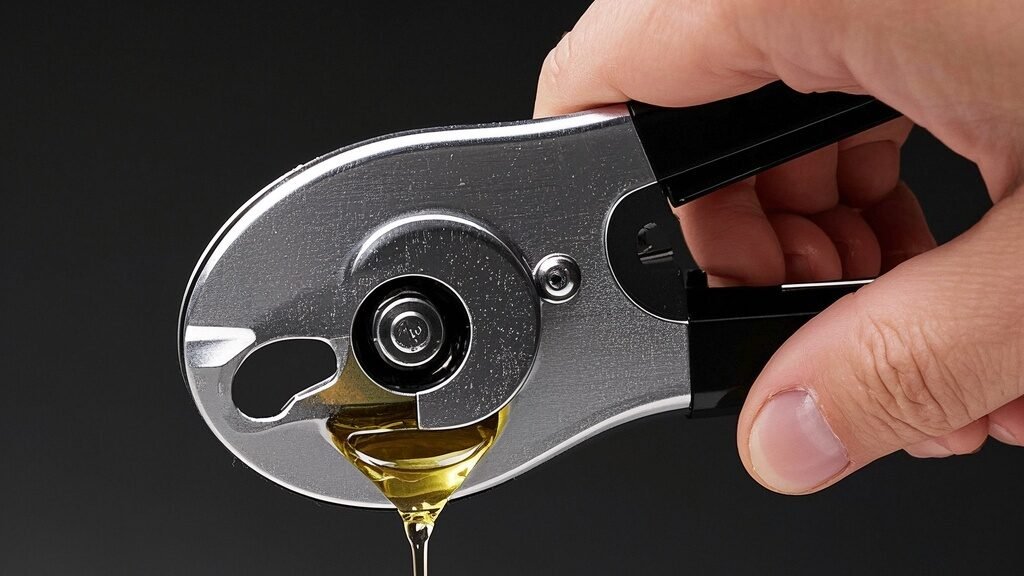
Traditional openers often create a familiar hazard: the cut lid itself. They slice along the inner rim, leaving a sharp, detached metal disk that can fall into food or require careful handling. A genuinely safe can opener re-engineers this process. Modern safety models, particularly side-cutting or “smooth-edge” openers, work by removing the lid from underneath the seam. Instead of creating a jagged edge, they leave a perfectly smooth rim on both the can and the detached lid. This eliminates the risk of laceration from the lid’s edge. Furthermore, the lid itself often remains magnetically attached to the opener, so your fingers never need to touch it, and it doesn’t plunge into your dinner. This fundamental shift in mechanics addresses the most obvious physical danger, proving that safety starts with how the tool fundamentally performs its core task.
Ergonomics and Stability: The Unsung Heroes of Safety
A sharp lid is one risk, but physical strain and slippage are others. A safe design must provide control and comfort. Ergonomics play a crucial role here. Openers with large, soft-grip handles reduce hand fatigue and improve leverage, preventing the tool from slipping during forceful cranking. Weight and base stability are equally important. Heavy-duty models or those with a wide, non-slip base (common in electric openers) anchor the tool to the counter, keeping the can firmly in place. This is vital for users with limited hand strength or arthritis, for whom a slipping can or a difficult crank isn’t just inconvenient—it’s a direct safety hazard that can lead to spills or injuries. True safety means the tool is easy and secure for *everyone* to use, minimizing the physical effort and dexterity required.
Material Safety and Ease of Cleaning
Safety extends beyond the moment of opening. What materials come into contact with your food? Older or cheaper openers may have blades and cutting wheels made from materials that can rust or corrode over time, potentially contaminating food. A safe can opener uses high-quality, corrosion-resistant materials like stainless steel for all food-contact parts. Additionally, hygiene is a component of safety. Openers with complex gears or crevices that trap food particles become breeding grounds for bacteria. Designs that are easy to disassemble for thorough cleaning or, even better, are fully dishwasher-safe, prevent microbial hazards. This “after-use” safety is often overlooked but is critical for long-term health.
The Verdict: It’s a Holistic Design Ethos
So, what makes a can opener “safe”? It’s not a single feature, but a combination of intelligent design choices: smooth-edge cutting, magnetic lid retention, stable and ergonomic handling, and hygienic, durable materials. It’s a tool that respects the user’s well-being at every point—protecting your hands, preserving your food’s integrity, and simplifying cleanup. It transforms a potentially hazardous chore into a genuinely secure and effortless task.
Who Should Consider a Safety Can Opener?
Honestly, almost every household can benefit from the upgrade. They are particularly valuable for families with young children who might help in the kitchen, for seniors who need reliable and easy-to-use tools, and for anyone who has ever nervously fished out a sharp lid from their soup. The peace of mind is a universal upgrade.
Ready to ditch the danger? Find the perfect safe can opener for your needs below!
Related Guides:
- Best Rated Can Openers 2026 (All Categories)
- Best Can Opener for Seniors with Weak Grip (2026 Top Picks)
- Best Can Opener for Arthritis Patients (2026 Pain-Free Picks)
- Best Can Opener for Stroke Survivors (2026 Easy-Use Picks)
- Best Electric Can Opener (2026 Top-Rated Automatic Models)
- Best Hands-Free Can Opener (2026 No-Grip Effort Models)
- Best Manual Can Opener (2026 Ergonomic Low-Effort Models)
- Best Sharp-Edge-Free Can Opener (2026 Safe No-Cut Models)