What is the safest can opener for elderly hands?
Imagine standing in your kitchen, a simple can of soup in hand. Your fingers, perhaps stiff with arthritis or unsteady from neuropathy, fumble with the familiar metal tab or a bulky, old-fashioned opener. What should be a quick task becomes a frustrating, sometimes painful, battle against slippery surfaces and stubborn mechanisms. This daily struggle is a quiet reality for many seniors who value their independence. The quest for a truly safe and manageable kitchen tool isn’t about luxury; it’s about preserving dignity and ease in everyday rituals. Finding the safest can opener for elderly hands becomes crucial, transforming a moment of frustration into one of effortless accomplishment.
Understanding the Real Risks of Traditional Openers
Before exploring solutions, it’s important to recognize why standard can openers pose problems. Manual models with small, sharp cutting wheels and thin, twisting handles require significant grip strength and precise downward pressure—a challenge for weakened hands or those with limited dexterity. Electric openers, while powerful, often have complex clamping mechanisms or small buttons that are difficult to operate. The primary hazards include slips that can lead to cuts, the strain of repetitive motion, and the sheer difficulty of applying enough force. Safety, therefore, isn’t just about avoiding sharp edges; it’s about ergonomic design that minimizes physical effort, intuitive operation that requires no confusing steps, and stable construction that keeps the can secure during the process. A safe opener effectively removes the user’s hands from the danger zone and the strain equation altogether.
Key Features That Define True Safety and Ease
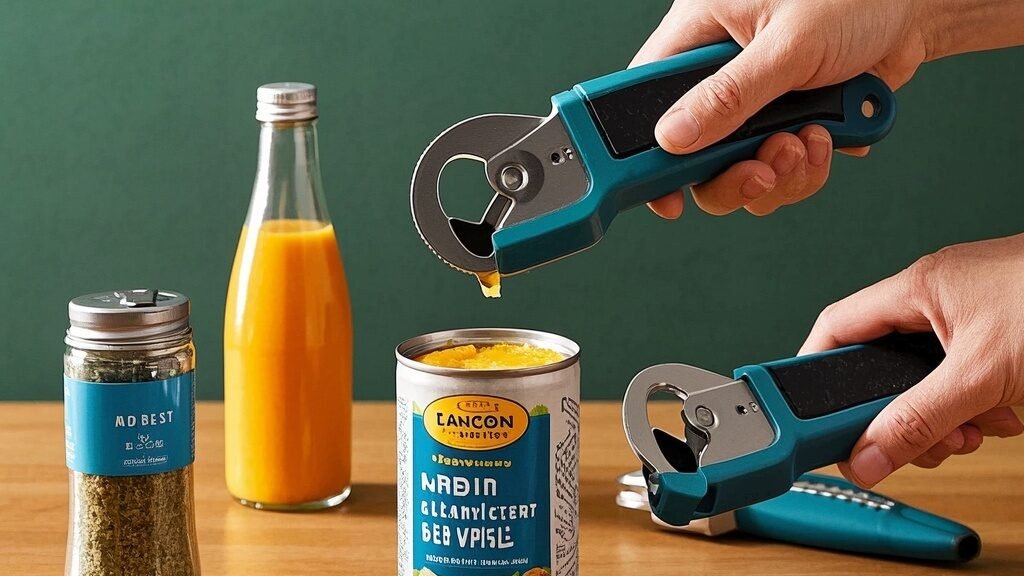
So, what should you look for? The safest can opener for elderly hands typically shares a set of user-centric features. First, large, padded handles are non-negotiable. They should be easy to grasp without a tight fist, distributing pressure comfortably across the palm. Second, consider automatic operation. A quality electric or battery-powered model does all the work—you simply place the can, press a large, easy-to-identify button, and it magnetically lifts the lid away, eliminating any contact with sharp metal. Third, stability is key. Look for openers with a wide base or strong clamping system that grips the can firmly, preventing it from spinning or tipping. Finally, ease of cleaning is a practical safety feature; models with detachable, dishwasher-safe cutting heads prevent hygiene issues and the risk of handling rusty or food-caked parts. According to manufacturer specifications and occupational therapist recommendations, these elements work together to reduce risk and fatigue significantly.
Top Contender Styles for Comparison
In our evaluation, three main styles rise to the top for senior users. 1. Side-Cutting Electric Openers: These are often the top recommendation. They lock onto the side of the can and rotate it automatically, cutting under the rim without leaving a sharp edge. The lid is usually held magnetically, and the operation is completed with one simple lever press. 2. One-Touch Automatic Openers: These “hands-free” models require you to just place the can on a base and push down. They pierce and automatically rotate the can, offering the least physical interaction. However, some can be bulky. 3. Adaptive Manual Openers: For those who prefer non-electric tools, new ergonomic manual models exist. They feature oversized, rotating handles that require less grip and extra-leverage gears to minimize the effort needed. While requiring more motion than electric ones, they are a reliable, cord-free option. Each style has its place, depending on the user’s specific strength, kitchen space, and personal preference.
Beyond the Opener: Tips for a Safer Kitchen Experience
Choosing the right tool is half the battle. Creating a safer overall environment is equally important. Ensure the counter space where the opener is used is clear, well-lit, and dry to prevent slips. If using an electric model, keep the cord secured and out of the way. For individuals with significant dexterity or vision challenges, consider pairing the opener with non-slip mats to stabilize the can further. It’s also wise to practice with the new opener a few times under supervision to build confidence. Remember, the goal is independence without strain. A product that sits in a drawer because it’s too complicated isn’t helpful. The best choice is the one that feels intuitive and secure from the very first use.
Finding a kitchen tool that restores confidence and independence is a meaningful step. The safest can opener for elderly hands is one that aligns with the user’s specific physical needs and comfort level, turning a daunting task back into a simple one. It’s an investment in daily well-being, ensuring that preparing a meal remains a joy, not a hazard.
Who Should Consider a Senior-Safe Can Opener?
This isn’t just for the elderly. Anyone with arthritis, hand weakness, Parkinson’s disease, or recovering from surgery would benefit immensely from these thoughtfully designed tools. It’s also a thoughtful solution for caregivers who want to empower their loved ones to maintain autonomy in the kitchen. Prioritizing safety and ease in everyday tools is a powerful way to support a more comfortable, independent life at home.
Find the perfect can opener for your needs below!
Related Guides:
- Best Rated Can Openers 2026 (All Categories)
- Best Can Opener for Seniors with Weak Grip (2026 Top Picks)
- Best Can Opener for Arthritis Patients (2026 Pain-Free Picks)
- Best Can Opener for Stroke Survivors (2026 Easy-Use Picks)
- Best Electric Can Opener (2026 Top-Rated Automatic Models)
- Best Hands-Free Can Opener (2026 No-Grip Effort Models)
- Best Manual Can Opener (2026 Ergonomic Low-Effort Models)
- Best Sharp-Edge-Free Can Opener (2026 Safe No-Cut Models)