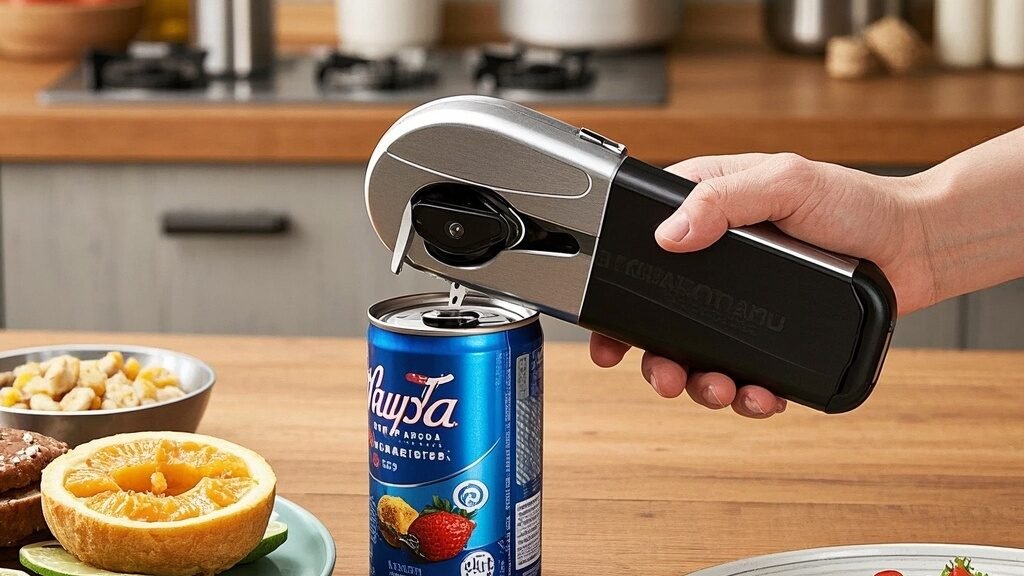
What Electric Can Opener Is Best for Seniors with Hand Pain?
Picture this: a simple can of soup becomes a daily obstacle. For many seniors or individuals with arthritis, reduced grip strength, or hand pain, the twisting and pressing required by a manual opener isn’t just inconvenient—it’s a source of frustration and even a safety risk. The good news is that the modern kitchen offers a simple, empowering solution. An electric can opener can restore independence and make meal prep a breeze again. But with so many options, finding the right one for specific needs like limited hand mobility requires a closer look.
Key Features to Prioritize for Ease and Safety
Not all electric openers are created equal, especially when considering the needs of seniors. The best models go beyond just opening cans; they are designed with accessibility and safety as core principles.
One-Touch Operation and Large Buttons
Look for models with large, clearly marked buttons that require minimal pressure. A single, easy-to-press button to start and stop the process is ideal. This eliminates the need for prolonged gripping or fine motor control. Some advanced openers even feature hands-free operation, where you simply place the can and press down to start.
Ergonomic Design and Automatic Magnet
A lightweight, stable base is crucial to prevent tipping. The cutting mechanism should be easy to align without precise hand positioning. A built-in automatic magnet is a non-negotiable feature for safety. It lifts the lid completely off the can after cutting, so there’s no need to touch sharp edges. This simple feature dramatically reduces the risk of cuts.
Practical Tips for Choosing and Using Your Opener
Selecting the right model is the first step. Using it effectively ensures long-term satisfaction and safety. Here are some practical considerations to guide your purchase and daily use.
Consider Your Counter Space and Needs
Assess your kitchen setup. Do you have dedicated counter space, or do you need a model you can store easily? Cordless models offer flexibility but require recharging. Also, think about the types of cans you use most. While most openers handle standard steel cans, if you frequently use cans with pull-tabs or odd shapes, check the product specifications.
Prioritize Easy Cleaning
Look for openers with detachable, dishwasher-safe cutting heads. Food and moisture can get trapped in the mechanism, leading to hygiene issues and motor problems. A model that’s easy to wipe down or rinse will save hassle and ensure the device remains sanitary and functional.
Top Considerations for Specific Conditions
For Arthritis and Severe Hand Pain: Prioritize the lightest touch activation and hands-free models. The less force required, the better.
For Low Vision: Seek out models with high-contrast colors, tactile buttons, or audible cues that signal the cutting cycle is complete.
For Tremors or Limited Dexterity: A wide, stable base and a large, easy-to-grip knob for height adjustment (if applicable) are key. The opener should do the work of aligning and holding the can.
Safety First: Important Usage Guidelines
While electric openers are designed for safety, following best practices is essential, especially for users who may have slower reaction times.
Always Unplug for Cleaning and Maintenance
This is the cardinal rule. Never try to clean the blade area or disassemble any part while the unit is plugged into an outlet. Always ensure the power is completely disconnected.
Inspect Cans and the Opener Regularly
Do not attempt to open dented, bulging, or severely rusted cans, as they can be dangerous. Periodically check the cutting wheel of your opener for food buildup or dullness. A clean, sharp wheel cuts smoothly and reduces the chance of the opener slipping or struggling.
Secure Placement and Supervision
Place the opener on a dry, level, and stable surface away from the edge of the counter. For individuals with significant cognitive challenges, supervision during use may be advisable to ensure safe operation.
Who Should Consider an Electric Can Opener?
If you or a loved one experiences arthritis, hand weakness, carpal tunnel syndrome, or any condition that makes gripping and twisting painful or difficult, an electric can opener is more than a convenience—it’s a tool for maintaining kitchen independence. It transforms a taxing chore into a simple, one-button task, reducing pain and frustration while promoting safer meal preparation. The right model acts as a reliable kitchen assistant, empowering users to cook for themselves with confidence.
Find the perfect can opener for your needs below!
Related Guides:
- Best Rated Can Openers 2026 (All Categories)
- Best Can Opener for Seniors with Weak Grip (2026 Top Picks)
- Best Can Opener for Arthritis Patients (2026 Pain-Free Picks)
- Best Can Opener for Stroke Survivors (2026 Easy-Use Picks)
- Best Electric Can Opener (2026 Top-Rated Automatic Models)
- Best Hands-Free Can Opener (2026 No-Grip Effort Models)
- Best Manual Can Opener (2026 Ergonomic Low-Effort Models)
- Best Sharp-Edge-Free Can Opener (2026 Safe No-Cut Models)