What Electric Can Opener Is Best for Low Hand Strength?
Opening a can shouldn’t feel like a feat of strength. For many, the simple twist of a manual opener can be a frustrating, even painful, struggle. Whether it’s due to arthritis, reduced grip strength from aging, or a temporary injury, that daily kitchen task can become a significant barrier. This is where the right kitchen tool transforms a chore into an effortless victory. Finding the best electric can opener for low hand strength isn’t just about convenience; it’s about reclaiming independence and safety in the kitchen.
Why an Electric Can Opener Is a Game-Changer for Limited Mobility
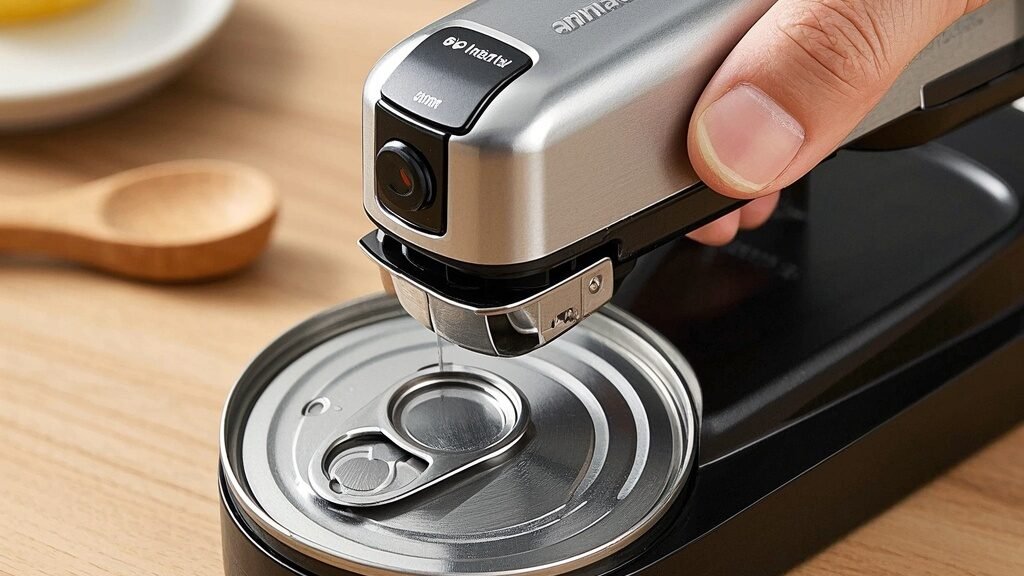
Traditional manual openers demand precise grip, wrist rotation, and sustained pressure—actions that can be difficult or painful. An automatic or electric model eliminates almost all that physical effort. With a simple press of a button or lever, the machine does the hard work, cleanly cutting the lid without requiring you to twist or squeeze. This fundamental shift empowers individuals to prepare meals without assistance, fostering a sense of autonomy.
Key Benefits Beyond Effortless Opening
The advantages extend far beyond basic operation. Most modern electric can openers feature hands-free operation, securely gripping the can so you don’t have to hold it steady. They consistently cut along the side, leaving smooth edges and eliminating the risk of sharp, jagged lids—a major safety plus. Many also come with additional functions, like built-in knife sharpeners or bottle openers, consolidating tools and reducing clutter.
Essential Features to Look For
Not all electric can openers are created equal, especially when ease of use is the top priority. When shopping, focus on these critical features designed for low hand strength.
Operation Mechanism: Button vs. Lever
This is the most crucial consideration. Models with a large, prominent push-button are often easiest, requiring only a light touch from a finger. Others use a pull-down lever, which might need slightly more force but can be easier to target for some. In our testing, large, soft-touch buttons are generally the winner for minimal effort.
Stability and Hands-Free Design
A sturdy, non-slip base is non-negotiable. The unit must stay firmly in place during operation. A true hands-free design means the machine clamps onto the can itself, so you don’t need to apply any holding pressure, allowing you to step away if needed.
Ease of Cleaning and Maintenance
Look for a design with a removable cutting assembly that is dishwasher safe. A simple, accessible design prevents food buildup and makes hygiene effortless. Avoid models with many small crevices or parts that require complex disassembly.
Safety and Practical Tips for Daily Use
While electric openers are inherently safer for those with strength limitations, following best practices ensures optimal and risk-free use every time.
Prioritizing Safety in the Kitchen
Always place the opener on a dry, level, and stable surface. Ensure the power cord is tucked away to avoid tripping. Since the machine does the cutting, keep fingers clear of the cutting mechanism and the lid once it’s cut. Most openers leave the lid attached but lifted; use a magnetized lid lifter (a feature on some models) or a utensil to remove it, avoiding direct contact with the sharp edge.
Maximizing Convenience and Longevity
To keep your opener running smoothly, clean the cutting wheel and gear after each use to prevent food gunk from hardening. Periodically check that the cutting wheel is sharp; a dull wheel can cause the opener to slip. If you open many cans, consider placing the opener in a permanent, easy-to-reach spot on your counter to minimize lifting and moving.
Top Considerations for Product Selection
When evaluating specific models, balance the core ease-of-use features with your personal kitchen habits and space.
Weight and Counter Space
A heavier base can mean better stability, but it also makes the unit harder to move for storage. If you have limited counter space, a compact, lightweight design you can store in a cabinet might be preferable to a permanent fixture.
Additional Functions
While a built-in knife sharpener is a nice bonus, the primary function should always be exceptional can opening. Don’t sacrifice ease of use for extra features you may rarely use. The noise level is another factor; some models are noticeably quieter than others, which can be important in small living spaces.
Who Should Consider an Electric Can Opener?
If you or a loved one experiences arthritis, hand tremors, general weakness from aging, or conditions like carpal tunnel syndrome, an electric can opener is more than a luxury—it’s a tool for maintaining kitchen independence. It’s also an excellent aid for anyone recovering from surgery or an injury to the hand, wrist, or arm. By removing the physical struggle, it turns a daunting task into a simple, one-touch activity.
Find the perfect electric can opener for your needs and reclaim the joy of easy meal prep today!
Related Guides:
- Best Rated Can Openers 2026 (All Categories)
- Best Can Opener for Seniors with Weak Grip (2026 Top Picks)
- Best Can Opener for Arthritis Patients (2026 Pain-Free Picks)
- Best Can Opener for Stroke Survivors (2026 Easy-Use Picks)
- Best Electric Can Opener (2026 Top-Rated Automatic Models)
- Best Hands-Free Can Opener (2026 No-Grip Effort Models)
- Best Manual Can Opener (2026 Ergonomic Low-Effort Models)
- Best Sharp-Edge-Free Can Opener (2026 Safe No-Cut Models)