Do Electric Can Openers Require Much Maintenance?
Picture this: after years of struggling with a manual can opener, a senior finally gets an electric model. It glides smoothly, opens cans effortlessly, and restores a sense of independence in the kitchen. But a quiet worry lingers—will this convenient helper become a complicated burden? The question of maintenance for an electric can opener is a common and valid concern, especially for those who value simplicity and reliability.
For seniors and individuals with arthritis or limited hand strength, an automatic can opener isn’t just a tool; it’s a gateway to easier meal preparation. The core appeal lies in its hands-free operation and minimal physical effort. However, understanding its care needs is key to ensuring it remains a dependable ally rather than a source of frustration. Let’s demystify the upkeep of these handy kitchen appliances.
Understanding Your Electric Can Opener’s Needs
Compared to many small kitchen appliances, modern automatic can openers are designed for low maintenance. They don’t have complex filters to change or intricate parts that need regular lubrication. Their maintenance is predominantly about cleanliness and occasional, simple checks.
Core Maintenance Components
The primary focus is on the cutting assembly. This includes the cutting wheel (or blade) and the drive gear that grips and turns the can. Food particles, tiny metal shavings, and sticky residues from canned goods can accumulate here after use. This buildup is the main culprit for most performance issues, such as slipping, incomplete cuts, or strange noises.
Routine vs. Corrective Care
Routine maintenance is proactive and simple: wiping down the unit after each use. Corrective maintenance is needed if you notice problems. Fortunately, most issues can be resolved with a basic cleaning of the cutting mechanism, a task that typically requires no tools.
A Simple, Step-by-Step Maintenance Guide
Keeping your opener in top shape is straightforward. Follow this easy guide to ensure longevity and optimal performance, making it a safe and reliable tool for users with limited dexterity.
Daily and Weekly Cleaning
After each use, simply wipe the exterior, the magnet (if it has one), and the area around the cutter with a damp cloth. For a weekly deeper clean, unplug the unit. Most models allow you to lift or slide open a cover to access the cutting wheel. Use a damp cloth, an old toothbrush, or a cotton swab to gently remove any debris from the wheel and the neighboring gear. Avoid harsh chemicals or submerging the unit in water.
Periodic Checks and Troubleshooting
Every few months, check the sharpness of the cutting wheel. A dull wheel will crush rather than cleanly pierce the lid. If cutting becomes difficult, consult your manual; some brands sell replacement cutter assemblies. Also, ensure the power cord is not frayed and that the unit sits stably on the counter to prevent accidents, a crucial safety consideration for all users.
Safety and Practical Tips for Seniors and Those with Limited Strength
An electric can opener’s greatest benefit is enhancing kitchen safety and accessibility. Proper maintenance directly supports this goal by ensuring consistent, predictable operation.
Prioritizing Ease and Safety
Choose models with large, easy-to-press buttons or levers. A strong magnetic lid lifter is essential—it grabs the lid after cutting, eliminating the need to touch sharp edges. Always place the opener on a dry, level surface away from the sink to prevent water contact. For individuals with significant hand weakness, look for openers with a vertical design or a side-cutting function that holds the can securely in place automatically.
Maximizing Convenience and Independence
Position the opener in an easily reachable spot, not tucked away in a cabinet. The simple act of regular wiping keeps the device hygienic and functional, supporting continued independent living. Pairing this easy upkeep with the right product choice minimizes frustration and maximizes the joy of effortless cooking.
Top Product Recommendations for Effortless Use
When selecting an opener, consider models known for durability and easy cleaning. Here are two excellent types suited for low-maintenance care.
1. The Classic Workhorse
Brands like Hamilton Beach and Cuisinart offer reliable under-the-cabinet or countertop automatic openers. They often feature a simple, one-piece cutting assembly that is easy to wipe clean. Their straightforward design means fewer nooks for grime to hide, making them a practical, low-fuss choice for daily use.
2. The Innovative Specialist
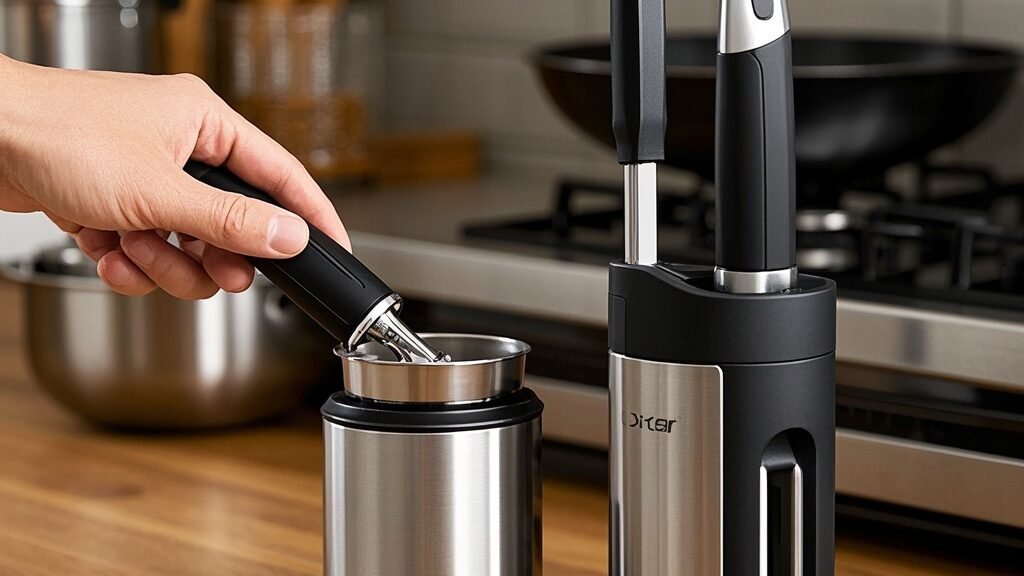
For ultimate safety and ease, consider a hands-free, vertical electric can opener. These models, such as those from Oster, hold the can from above. They often come with a removable cutting assembly that can be rinsed under the faucet, simplifying cleanup dramatically. This design is particularly advantageous for users with very limited grip strength.
Who Should Consider an Electric Can Opener?
If you or a loved one experiences hand pain, arthritis, tremors, or simply wants a quicker, safer way to open cans, an electric opener is a worthwhile investment. Its maintenance is minimal—far less demanding than the physical strain of a manual opener. By spending a few seconds on basic cleaning, you ensure years of reliable service. The peace of mind and regained independence it offers are truly invaluable.
Find the perfect electric can opener to simplify your kitchen tasks below!
Related Guides:
- Best Rated Can Openers 2026 (All Categories)
- Best Can Opener for Seniors with Weak Grip (2026 Top Picks)
- Best Can Opener for Arthritis Patients (2026 Pain-Free Picks)
- Best Can Opener for Stroke Survivors (2026 Easy-Use Picks)
- Best Electric Can Opener (2026 Top-Rated Automatic Models)
- Best Hands-Free Can Opener (2026 No-Grip Effort Models)
- Best Manual Can Opener (2026 Ergonomic Low-Effort Models)
- Best Sharp-Edge-Free Can Opener (2026 Safe No-Cut Models)