Are Electric Can Openers Better for Seniors Than Manual Ones?
Opening a can should be a simple task, but for many seniors or individuals with arthritis, weakened grip, or limited hand dexterity, the twisting and pressure required by a manual can opener can turn meal prep into a frustrating, even painful, chore. The simple act of feeding oneself independently becomes a barrier. This is where the debate between electric and manual can openers becomes genuinely meaningful, moving beyond kitchen gadgets to tools that support autonomy and safety. The core question isn’t just about convenience; it’s about accessibility and preserving the joy of cooking without strain.
Understanding the Key Differences: Manual vs. Electric
At their heart, both tools accomplish the same task, but their operation and physical demands are worlds apart. A traditional manual opener requires significant grip strength to clamp onto the can’s rim, sustained rotational force to turn the key or knob, and often a bit of wrist torque to complete the cut. For hands affected by conditions like osteoarthritis or general age-related weakness, each of these steps presents a challenge.
How Electric Models Change the Game
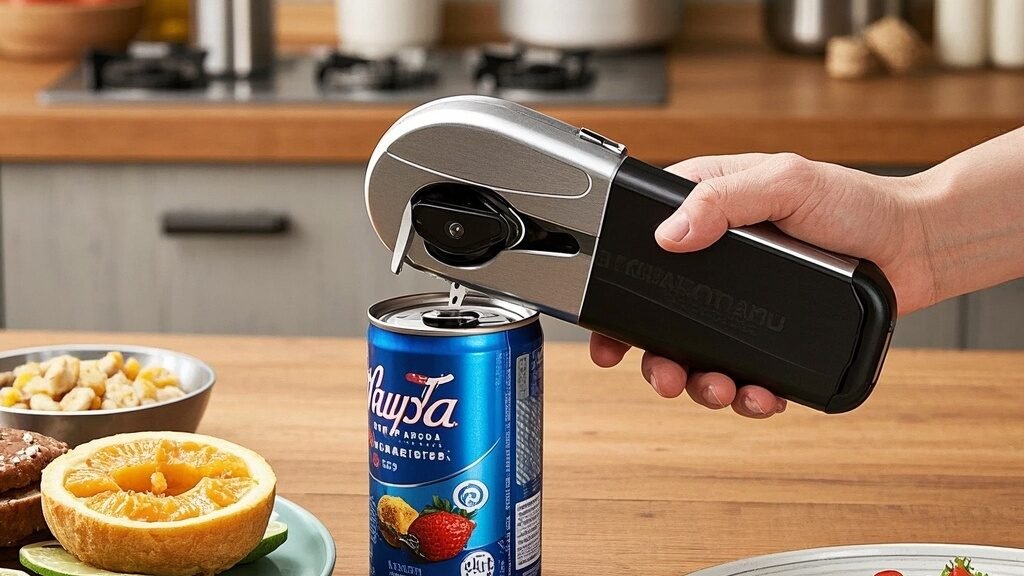
An electric can opener fundamentally reallocates the work. You position the can, press a button (often a large, easy-to-press lever), and the machine does the rest. The motor provides the rotational power, and a magnetic lid lifter frequently removes the cut lid automatically, eliminating the need to touch sharp edges. This shift from physical exertion to guided positioning can make all the difference for maintaining kitchen independence.
Evaluating the Benefits of Electric Can Openers for Seniors
The advantages of opting for an electric model extend well beyond just saving effort. They address specific needs that become more pronounced later in life or when dealing with physical limitations.
Reduced Physical Strain and Enhanced Safety
The most immediate benefit is the dramatic reduction in hand and wrist strain. There’s no forceful cranking or pinching. This not only prevents pain but also minimizes the risk of dropping the opener or losing control of the can. Furthermore, features like automatic lid lifting and hands-free operation mean fingers never need to go near the newly cut, often razor-sharp rim of the can lid, a common source of kitchen cuts.
Ease of Use and Consistency
Electric openers are typically very straightforward: align, press, and wait for the hum to stop. They provide a consistent, clean cut around the outer rim of the lid, leaving a smooth edge on the can itself. This is preferable to some manual openers that can leave a jagged, dangerous edge. The simplicity of operation also reduces cognitive load—there are fewer steps to remember and less coordination required.
Important Considerations and Potential Drawbacks
While the benefits are significant, an informed decision requires looking at the full picture. Electric can openers are not a perfect, one-size-fits-all solution.
Space, Power, and Maintenance
Electric models require counter space and proximity to an electrical outlet. They are also bulkier to store. Unlike a manual opener you can toss in a drawer, an electric one is a small appliance. They require occasional cleaning to prevent food debris from jamming the mechanism, and they will eventually wear out or require battery replacement if cordless. In our testing, simpler models with fewer crevices tend to be easier for seniors to keep clean.
Not All Electric Openers Are Created Equal
Some models have complicated buttons, weak magnets, or poor alignment guides that can frustrate any user. A poorly designed electric opener can be more troublesome than a good manual one. It’s crucial to choose a model known for reliability and user-friendly design, often characterized by a large, obvious activation lever, a strong magnetic lifter, and a stable base.
Practical Tips for Choosing and Using a Can Opener
If an electric model seems like the right fit, here’s how to select and use one effectively and safely.
What to Look For When Shopping
Prioritize models with an easy-grip, oversized handle or push-button. A strong automatic magnet that securely holds the lid is a key safety feature. Look for a stable, non-slip base to prevent walking during operation. Consider a cordless model for maximum flexibility, but remember it adds the task of battery charging. Read recent reviews focusing on ease of use and durability.
Safety and Usage Best Practices
Always ensure the opener and your hands are dry before use. Place the opener on a stable, flat surface before positioning the can. Follow the manufacturer’s alignment guide precisely—usually aligning the cutter wheel just inside the can’s rim. After opening, use the magnet to dispose of the lid immediately, or carefully wipe the cut can edge with a towel before handling. Regularly wipe down the cutting mechanism to prevent residue buildup.
Who Should Consider an Electric Can Opener?
An electric can opener is an excellent investment for seniors experiencing hand weakness, arthritis, tremors, or reduced grip strength. It’s equally valuable for anyone with temporary limitations, such as a hand injury. For those who prioritize kitchen independence, safety from sharp edges, and reducing everyday physical strain, the transition from manual to electric is often a profoundly positive quality-of-life upgrade. The right tool can turn a daunting task back into a simple one.
Find the perfect can opener for your needs below!
Related Guides:
- Best Rated Can Openers 2026 (All Categories)
- Best Can Opener for Seniors with Weak Grip (2026 Top Picks)
- Best Can Opener for Arthritis Patients (2026 Pain-Free Picks)
- Best Can Opener for Stroke Survivors (2026 Easy-Use Picks)
- Best Electric Can Opener (2026 Top-Rated Automatic Models)
- Best Hands-Free Can Opener (2026 No-Grip Effort Models)
- Best Manual Can Opener (2026 Ergonomic Low-Effort Models)
- Best Sharp-Edge-Free Can Opener (2026 Safe No-Cut Models)