Can Electric Can Openers Be Used Without Grip Strength?
For many, opening a simple can of soup is a mindless, two-second task. But for individuals with arthritis, carpal tunnel, or general age-related weakness in their hands, that metal cylinder can become a frustrating, even dangerous, barrier to a meal. The familiar struggle of pinching a manual opener, applying twisting force, and maneuvering around a sharp lid requires a surprising amount of dexterity and power. This is where the modern electric can opener steps in, not just as a convenience, but as a genuine tool for maintaining independence in the kitchen.
How Electric Can Openers Empower Users with Limited Strength
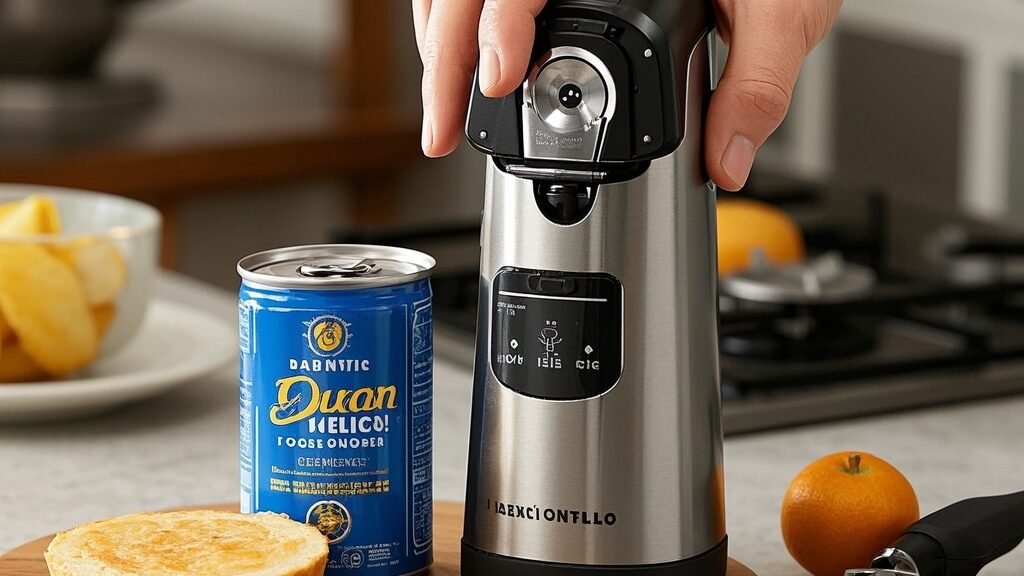
The core advantage of an automatic can opener is its complete reimagining of the user’s role. Instead of being the source of power, you become the guide. Most models operate with a single, large button that requires only a light touch to activate. The motor does all the work, magnetically lifting the lid away once the cut is complete, eliminating the need to pry with fingers.
Key Design Features for Accessibility: Look for models with oversized, tactile buttons that are easy to locate and press. A wide, stable base is crucial to prevent tipping during operation. The best can openers for seniors often feature hands-free operation, where you simply position the can and press a button—the machine grips, cuts, and releases the lid automatically. This design is a game-changer for those with very limited grip or conditions like Parkinson’s, where steady pressure is difficult to maintain.
Safety First: Important Considerations for Easy-Use Openers
While designed for safety, any electric appliance requires mindful use. The primary benefit is the removal of sharp edges from the user’s immediate handling; the lid is typically held by a magnet inside the cutter head. However, the cut lid itself can still have a thin, sharp rim.
Safe Handling and Operation: Always ensure the opener is unplugged when not in use and during cleaning. Place it on a dry, level counter away from the edge. Never attempt to force a can that is badly dented or misshapen, as it may not seat properly in the cutter. After opening, use a utensil to remove the lid from the magnet or dispose of it directly from the opener into the trash. Regularly check the cutting blade for food debris and clean it according to the manufacturer’s instructions to ensure a smooth, safe cut every time.
Choosing the Right Model: Features That Matter Most
Not all electric openers are created equal when accessibility is the top priority. Beyond basic function, specific features can significantly enhance ease of use.
Performance and Real-World Use: A truly hands-free model is the gold standard, as it requires zero gripping or steadying of the can. Consider the noise level—some motors are quieter than others, which can be important for sensory sensitivity. Ease of cleaning is paramount; look for designs with removable cutter assemblies that are dishwasher safe. Battery-operated options exist, offering portability for those who may not always be at their kitchen counter, though they require battery management.
Additional Helpful Functions: Many modern automatic can openers come with extra features like built-in knife sharpeners or bottle openers. While useful, prioritize the core opening mechanism’s stability and button ease first. The size and weight of the unit also matter; it should be substantial enough to not slide but light enough to move for storage if needed.
Practical Tips for Integration and Use
Adopting a new tool takes a little practice. Start by using the opener with standard-sized cans (like soup or vegetables) to get a feel for its operation. Always center the can under the cutter head as instructed in the manual. If a model requires you to hold a lever down, see if a gentle, steady pressure from the side of your hand or forearm works instead of using finger strength.
Make the opener a permanent fixture on your counter if possible, reducing the need to lift and store it. Pair it with other adaptive kitchen tools like jar openers and easy-grip utensils to create a truly accessible cooking space. Remember, the goal is to reduce strain and risk, reclaiming the simple joy of preparing a meal without struggle.
Who Should Consider an Electric Can Opener?
If you or a loved one experiences pain, weakness, or tremors in the hands, wrists, or arms, an electric can opener is more than a luxury—it’s a practical aid for independent living. It’s ideal for seniors, individuals with arthritis, tendonitis, or post-surgical recovery, and anyone for whom a traditional opener has become a source of frustration or anxiety. By transforming a challenging task into a one-button operation, it helps maintain nutritional health and kitchen confidence.
Find the perfect can opener for your needs below!
Related Guides:
- Best Rated Can Openers 2026 (All Categories)
- Best Can Opener for Seniors with Weak Grip (2026 Top Picks)
- Best Can Opener for Arthritis Patients (2026 Pain-Free Picks)
- Best Can Opener for Stroke Survivors (2026 Easy-Use Picks)
- Best Electric Can Opener (2026 Top-Rated Automatic Models)
- Best Hands-Free Can Opener (2026 No-Grip Effort Models)
- Best Manual Can Opener (2026 Ergonomic Low-Effort Models)
- Best Sharp-Edge-Free Can Opener (2026 Safe No-Cut Models)