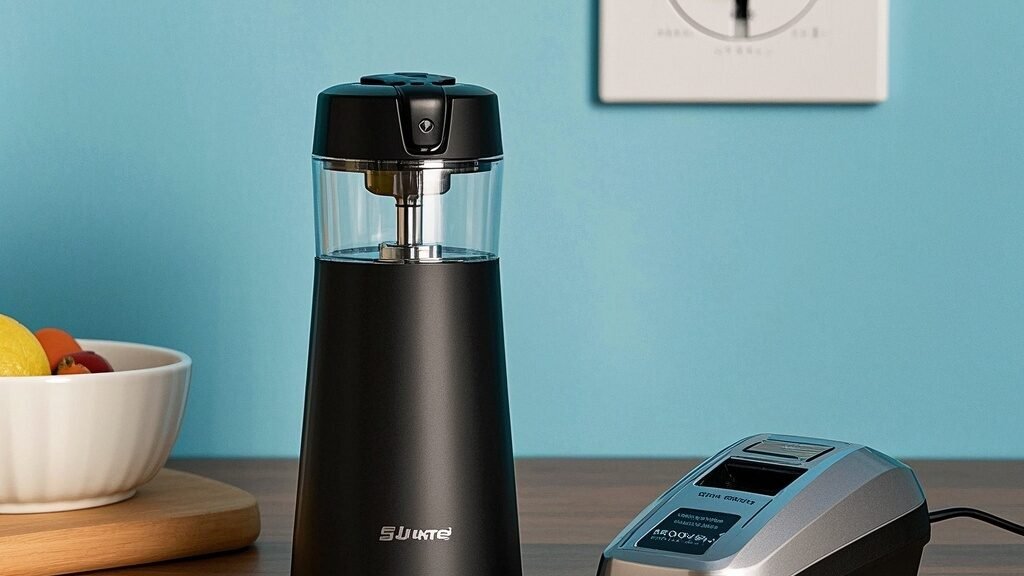
Are Automatic Can Openers Good for Weak Wrists?
Opening a simple can of soup shouldn’t feel like a feat of strength. Yet, for many with arthritis, carpal tunnel, or simply age-related weakness in their hands and wrists, the familiar struggle with a manual can opener is a daily source of frustration and even pain. The twisting motion, the pressure required to pierce the lid, and the sharp edges left behind can turn a quick kitchen task into an ordeal. This is where the modern automatic can opener steps in, promising a hands-off solution. But does this convenience truly translate to accessibility and safety for those who need it most?
How Automatic Can Openers Aid Those with Limited Strength
The core benefit of an electric or automatic model is the drastic reduction in physical effort. Instead of relying on grip strength and wrist torque, you simply position the opener, press a button, and let the motor do the work. This fundamental shift addresses several key challenges faced by individuals with weak wrists or conditions like arthritis.
Eliminating Painful Motions: Manual openers require a pinching grip to hold the device and a forceful twisting motion with the wrist. For someone with joint inflammation or diminished strength, this can be painful or impossible. Automatic models remove these actions entirely.
Enhancing Independence: The ability to open cans safely without assistance is a significant boost to confidence and self-sufficiency in the kitchen. It allows seniors and others to prepare their own meals without relying on others for a basic task.
Safety from Sharp Edges: Most high-quality automatic openers use a “smooth-edge” technology that cuts under the lid’s rim, leaving a perfectly smooth edge on both the lid and the can. This eliminates the risk of cuts from jagged metal, a common hazard with traditional openers.
Key Features to Look For and Practical Tips
Not all automatic can openers are created equal, especially when considering specific accessibility needs. When shopping for a model suited for limited hand strength, prioritize these features.
Large, Easy-to-Press Buttons: Look for models with oversized, tactile buttons that require minimal pressure. Some feature a simple one-touch operation, which is ideal for those with dexterity issues.
Lightweight and Stable Design: The unit should be light enough to lift and place on a can but have a heavy, non-slip base to prevent it from moving during operation. A built-in grip handle can also help with placement.
Magnetic Lid Lifter: This is a crucial safety and convenience feature. After cutting, a small magnet automatically grabs and holds the lid, so you never have to touch it. This keeps hands away from the cut edge and makes disposal simple.
Power Source and Cord Length: Battery-operated models offer portability but require battery changes. Corded models provide consistent power but need an accessible outlet. Ensure the cord is long enough for your counter setup.
Practical Usage Tip: Always ensure the cutting mechanism is aligned with the can’s rim before starting. Hold the can steady with your non-dominant hand on the counter for support, not by gripping the can itself. Let the machine do the work—there’s no need to apply pressure.
Safety Considerations and Potential Drawbacks
While immensely helpful, automatic can openers come with their own set of considerations. Being aware of these ensures safe and long-lasting use.
Cleaning and Maintenance: The cutting assembly can trap food particles and must be cleaned regularly to prevent jamming and bacterial growth. Look for models with removable, dishwasher-safe cutting heads for easier cleaning. Neglecting this can lead to mechanical failure.
Noise and Power: These devices are motorized and can be somewhat noisy. They also require a power source, so a power outage renders them unusable unless you have a battery-powered backup.
Size and Storage: They are bulkier than manual openers and require counter or cabinet space. For those with very limited kitchen space, this can be a constraint.
Not Universal: While they work on most standard steel cans, they may struggle with odd shapes, very large cans, or cans with pull-tab lids. Always check the manufacturer’s specifications for compatibility.
It’s also wise to supervise initial uses to ensure comfort with the operation. According to manufacturer guidelines, never attempt to open a can that is severely dented or damaged.
Top Recommendations for Ease of Use
Based on features prioritizing accessibility and ease, here are two highly regarded types of automatic can openers.
1. Hands-Free Smooth Edge Openers: Models like the Hamilton Beach Smooth Touch Can Opener are consistently top-rated for seniors. They operate with a single, large button. The magnetic lid lifter and smooth-edge cutting provide a completely hands-off experience from start to finish. The base is weighted for stability, making it an excellent choice for those with shaky hands or weak wrists.
2. Side-Cutting Automatic Openers: Brands like Cuisinart offer efficient side-cutting models. They often come with additional functions like bottle openers and knife sharpeners. The side-cutting action is generally very powerful and fast. Look for versions with large, easy-grip knobs and clear, simple controls.
When choosing, consider if the user would benefit most from the ultimate simplicity of a one-button, hands-free model or prefers a multi-function appliance. In our testing, simplicity usually wins for those with significant strength or dexterity limitations.
Who Should Consider an Automatic Can Opener?
An automatic can opener is an excellent investment for anyone for whom a manual opener causes pain, difficulty, or safety concerns. This includes seniors experiencing natural decline in grip strength, individuals with arthritis, carpal tunnel, tendonitis, or recovering from hand/wrist injuries, and people with permanent conditions that limit hand mobility. It’s a simple tool that reclaims independence and safety in the kitchen.
Find the perfect can opener for your needs below!
Related Guides:
- Best Rated Can Openers 2026 (All Categories)
- Best Can Opener for Seniors with Weak Grip (2026 Top Picks)
- Best Can Opener for Arthritis Patients (2026 Pain-Free Picks)
- Best Can Opener for Stroke Survivors (2026 Easy-Use Picks)
- Best Electric Can Opener (2026 Top-Rated Automatic Models)
- Best Hands-Free Can Opener (2026 No-Grip Effort Models)
- Best Manual Can Opener (2026 Ergonomic Low-Effort Models)
- Best Sharp-Edge-Free Can Opener (2026 Safe No-Cut Models)