What Automatic Can Opener Is Best for Arthritis Pain?
Opening a simple can of soup or beans can transform from a mundane task into a frustrating, painful ordeal when you’re dealing with arthritis or limited hand strength. The twisting, gripping, and pressure required by a manual opener can make meal prep feel like a chore you’d rather avoid. Thankfully, the world of kitchen gadgets has evolved, offering a liberating solution: the automatic can opener. These devices are designed to do the hard work for you, turning a difficult task into a simple push of a button. For seniors and anyone with hand pain, finding the right automatic can opener isn’t just about convenience—it’s about reclaiming independence in the kitchen.
Why an Automatic Can Opener Is a Game-Changer for Hand Pain
Traditional can openers demand significant grip strength, precise wrist rotation, and sustained pressure—three actions that are particularly challenging with conditions like arthritis, carpal tunnel, or general weakness. An automatic electric can opener fundamentally changes this dynamic. With these appliances, you simply position the can, press a lever or button, and the machine does the rest, cleanly cutting the lid without any twisting from you.
Key Benefits for Limited Mobility: The primary advantage is the drastic reduction in physical effort. There’s no forceful gripping or turning. Many models are designed with large, easy-to-press buttons or levers that require minimal force. This not only prevents pain but also reduces the risk of dropping the opener or the can, enhancing overall kitchen safety. The psychological benefit is equally important; it removes a barrier to cooking and nutrition, encouraging more home-prepared meals.
What to Look for When Choosing Your Opener
Not all automatic can openers are created equal, especially when ease of use is your top priority. Focusing on a few key features will help you find a model that truly accommodates your needs.
Ease of Operation and Handling: This is the most critical category. Look for openers with a simple, one-touch activation mechanism—a large paddle or button that’s easy to locate and press with a palm, fist, or forearm if finger dexterity is limited. The machine should hold the can securely on its own; you shouldn’t have to stabilize it. Consider the weight and base stability; a heavier, non-slip base means it won’t slide around the counter when in use.
Safety and Lid Design: Safety is paramount. The best models leave a smooth, safe edge on the can, not a sharp, jagged one. Many feature a “hands-off” design where the magnet holds the cut lid, allowing you to lift it away without touching sharp metal. Some even have an automatic shut-off feature. Also, check if the opener is easy to clean; look for removable cutting assemblies that can be washed without complicated disassembly.
Top Considerations and Practical Tips for Use
Integrating a new appliance into your routine comes with a learning curve. Here’s how to get the most out of your automatic can opener while staying safe.
Setup and Daily Use Tips: Place your opener on a clean, dry, and stable section of your countertop, ideally within easy reach but away from the edge. Before first use, run it without a can to familiarize yourself with the sound and action. When opening, center the can under the cutter as instructed in the manual—proper alignment ensures a clean cut and prevents jamming. Always use the opener on a flat, level surface.
Maintenance for Longevity: Regular cleaning is essential for performance and hygiene. Unplug the unit before cleaning. Wipe down the exterior after each use. Most manufacturers recommend periodically wiping the cutting wheel and gear with a damp cloth or a soft brush to remove food particles and metal shavings. Avoid submerging the motor unit in water. A well-maintained opener will provide reliable service for years.
Exploring Your Options: Types of Automatic Openers
While “automatic” often means electric, there are nuances. Understanding the different styles helps you match a product to your specific capabilities and kitchen space.
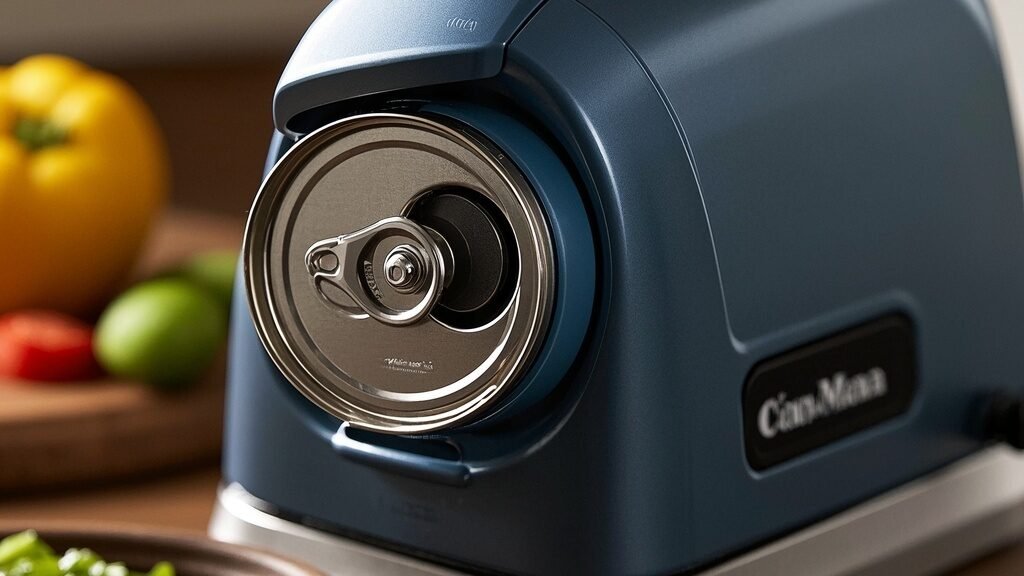
Traditional Countertop Electric Openers: These are the most common. They have a sturdy base, a vertical arm that holds the cutting mechanism, and a motor inside the base. They are powerful, reliable, and often include extra features like a bottle opener or knife sharpener. Their fixed position on the counter makes them very stable, a major plus for those with shaky hands.
Handheld Electric and Battery-Operated Models: These offer more flexibility. You hold the device and place it on top of the can. They require less counter space and can be stored in a drawer. However, they may require slightly more hand strength to hold and position steadily, and they need battery changes or recharging. They are a good option for those with very limited counter space or who need a portable solution.
In our testing and according to manufacturer specifications, the most universally accessible models tend to be countertop designs with large, front-facing paddles for activation and strong magnetic lid lifters. They provide the most stability and require the least dexterity.
Who Should Consider an Automatic Can Opener? If arthritis, hand weakness, or pain makes using a manual opener difficult, unsafe, or simply unpleasant, an automatic can opener is a worthwhile investment. It’s a tool that promotes independence, safety, and enjoyment in the kitchen. The right model can turn a source of frustration into a non-issue. Find the perfect can opener for your needs below!
Related Guides:
- Best Rated Can Openers 2026 (All Categories)
- Best Can Opener for Seniors with Weak Grip (2026 Top Picks)
- Best Can Opener for Arthritis Patients (2026 Pain-Free Picks)
- Best Can Opener for Stroke Survivors (2026 Easy-Use Picks)
- Best Electric Can Opener (2026 Top-Rated Automatic Models)
- Best Hands-Free Can Opener (2026 No-Grip Effort Models)
- Best Manual Can Opener (2026 Ergonomic Low-Effort Models)
- Best Sharp-Edge-Free Can Opener (2026 Safe No-Cut Models)