What Automatic Can Opener Is Best for Low Mobility?
Opening a can shouldn’t feel like a workout. For millions of seniors and individuals with arthritis, limited hand strength, or conditions like Parkinson’s, the simple twist of a manual opener can be a source of frustration and even pain. The kitchen, a place of independence, can suddenly present barriers. This is where the right automatic can opener becomes more than a convenience—it’s a tool that restores confidence and ease in daily routines.
Why an Automatic Can Opener is a Game-Changer
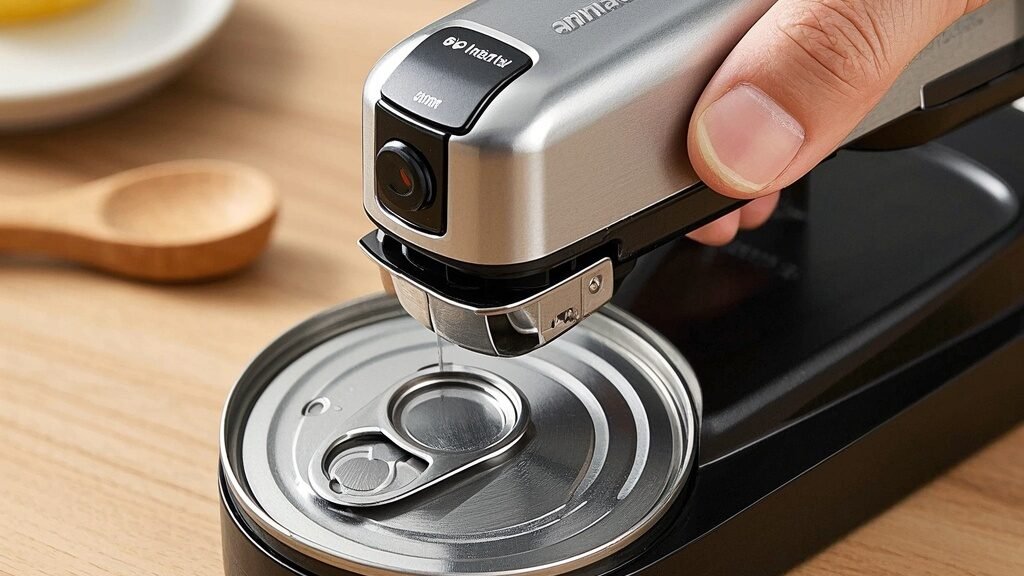
Modern electric can openers are engineered to do the hard work for you. With the press of a button, they magnetically grip the lid, rotate the can, and cleanly cut around the rim, leaving a smooth, safe edge. This process eliminates the need for gripping strength, wrist twisting, and the application of steady pressure.
Key Benefits for Limited Mobility: The primary advantage is, of course, accessibility. These devices empower users to prepare meals independently, a crucial aspect of dignity and self-sufficiency. Beyond that, they enhance safety by virtually eliminating the risk of cuts from sharp lids or slips from a struggling manual opener. Many models also feature large, easy-to-press buttons and non-slip bases, further catering to users with dexterity challenges.
What to Look For: A Buyer’s Guide
Not all automatic openers are created equal, especially when considering specific mobility needs. Here are the critical features to prioritize.
Essential Features for Ease of Use
Hands-Free Operation: This is non-negotiable. The best models are fully automatic—you place the can, press the lever or button, and the machine does the rest, holding the can and lid for you. There’s no need to steady the can during operation.
Large, Tactile Controls: Look for oversized buttons or levers that are easy to identify and press with a palm, the side of a hand, or a fist. Raised or brightly colored controls are a plus for those with visual or tactile impairments.
Stability and Design: A heavy, wide base or suction feet prevent the unit from “walking” across the counter during use. The design should be intuitive, with clear markings for can placement.
Safety and Practical Considerations
Lid Handling: A built-in magnet that securely holds the cut lid is essential. It keeps the sharp edge contained and makes disposal simple and safe. Some models even have a compartment to store the lid.
Power and Cord Management: Consider a cordless, rechargeable model for ultimate portability and to avoid cord clutter. If using a corded model, ensure the cord is long enough and doesn’t create a tripping hazard.
Ease of Cleaning: Spills happen. A design with minimal crevices or a removable cutting assembly that is dishwasher safe makes maintenance effortless. According to manufacturer guidelines, never immerse the main motor unit in water.
Top Recommendations for Different Needs
Based on features that support low mobility, here are standout types of openers to consider.
For Maximum Independence: A fully automatic, hands-free countertop model is often the best overall choice. Brands like Hamilton Beach and Cuisinart offer reliable versions with large front-button controls, strong magnets, and stable bases. They handle standard cans with zero effort.
For Severe Grip Limitations: A lightweight, rechargeable automatic can opener that operates with a simple push-button can be ideal. Its cordless nature makes it easy to bring to the table or use anywhere. Some are shaped like a wand, requiring only that it be placed on the can and activated.
For Versatility: Some openers come with additional functions, like bottle openers or knife sharpeners. While convenient, prioritize the core can-opening mechanism’s ease of use first. In our testing, extra features should not complicate the primary task.
Integrating Your New Opener Safely
Once you have your new tool, set it up for success. Place it on a stable, dry section of countertop within easy reach, not tucked away in a cabinet. Practice with an empty can first to build familiarity with the controls and the sound it makes. Always unplug corded models before wiping them clean. Remember, while these devices are incredibly helpful, they are small appliances with moving parts and should be kept away from curious children.
Who Should Consider an Automatic Can Opener? If you or a loved one experiences hand pain, arthritis, tremors, or general weakness that makes kitchen tasks difficult, an automatic can opener is a worthwhile investment. It’s a simple upgrade that can have a profound impact on daily life, turning a chore back into an easy step in meal preparation. Find the perfect can opener for your needs below!
Related Guides:
- Best Rated Can Openers 2026 (All Categories)
- Best Can Opener for Seniors with Weak Grip (2026 Top Picks)
- Best Can Opener for Arthritis Patients (2026 Pain-Free Picks)
- Best Can Opener for Stroke Survivors (2026 Easy-Use Picks)
- Best Electric Can Opener (2026 Top-Rated Automatic Models)
- Best Hands-Free Can Opener (2026 No-Grip Effort Models)
- Best Manual Can Opener (2026 Ergonomic Low-Effort Models)
- Best Sharp-Edge-Free Can Opener (2026 Safe No-Cut Models)