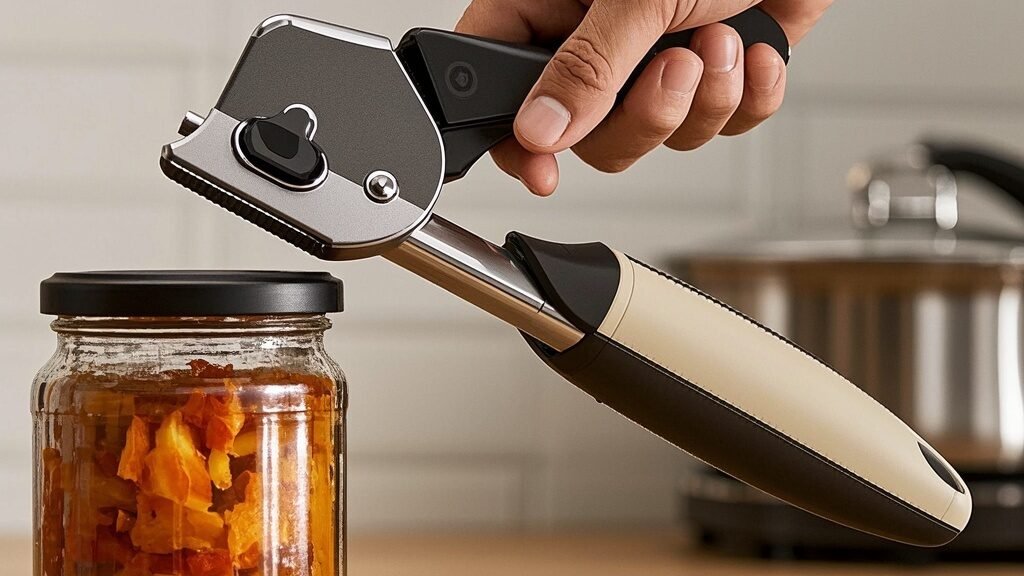
Are Automatic Can Openers Safe Compared to Manual Ones?
Opening a can shouldn’t feel like a workout or a safety hazard. For many, especially seniors or those managing conditions like arthritis, the simple twist of a manual opener can be a painful, frustrating, or even risky task. The promise of the automatic can opener is liberation from that struggle—a device that does the work for you with the press of a button. But does handing over the task to a motor introduce new risks, or does it actually create a safer kitchen experience? We’re cutting through the assumptions to compare the real-world safety, accessibility, and practicality of both tools.
Understanding the Safety Dynamics: Manual vs. Automatic
Safety isn’t just about avoiding cuts; it’s about stability, control, and minimizing physical strain. A traditional manual opener requires significant grip strength, wrist rotation, and downward pressure. This combination can lead to slippery hands, sudden slips, and exposure to the newly cut, often sharp lid. The process demands full attention and a steady hand.
Key Safety Comparison: An automatic electric can opener fundamentally changes this interaction. You align the can, press a lever, and the machine magnetically grips and rotates it, cutting the lid cleanly around the perimeter. Your hands never touch the cutting mechanism or the spinning can. The primary safety shift is from physical dexterity and sharp edges to electrical safety and proper usage. When used correctly on a stable surface, it virtually eliminates the risk of hand cuts during the opening process itself.
Why Automatic Openers Are a Game-Changer for Accessibility
This is where the debate tilts decisively. For seniors, individuals with arthritis, limited hand strength, or conditions like Parkinson’s, the manual opener isn’t just inconvenient—it can be an impossible barrier to independent meal preparation.
Benefits for Reduced Mobility: A high-quality automatic can opener for seniors requires minimal force. The action is a simple press or slide of a lever, not a sustained grip and twist. This reduces joint pain and fatigue. Furthermore, many models feature large, easy-to-press buttons, ergonomic designs, and non-slip bases. The magnetic lid lifter is another critical feature, safely removing the cut lid so users don’t have to pry it off with fingers or a utensil, avoiding another common pinch-point and cut risk.
Practical Tips for Safe and Effective Use
Maximizing the safety of any kitchen tool comes down to informed use. Here are essential tips for getting the best—and safest—results from your opener.
For Automatic/ Electric Openers:
- Stability is Key: Always place the opener on a flat, dry, stable counter. Never hold it in your hand while operating.
- Read the Manual: Understand your model’s specific alignment guides and locking mechanism.
- Keep it Clean: Food particles and moisture are the enemies of electric motors and cutting gears. Wipe down the cutting assembly after each use (always unplugged) and ensure it’s dry.
- Check Power Cords: Ensure the cord is not frayed and is kept away from heat sources or sink splashes.
- Know the Limits: Most are designed for standard steel and aluminum cans. Avoid extremely large, small, or oddly shaped containers unless the manufacturer specifies compatibility.
For Manual Openers:
- Sharpness Matters: A dull cutting wheel requires more force and can slip. Replace old openers.
- Dry Hands & Can: Ensure both your hands and the can’s top are dry for maximum grip.
- Use a Stable Surface: Open on a counter, not in the air. Consider openers with large, ergonomic turning knobs for better leverage.
- Lid Removal: Use a dedicated lid lifter tool or the opener’s built-in function to avoid touching the sharp edge.
What to Look for in a Safe Automatic Can Opener
Not all electric openers are created equal. When shopping, prioritize these safety and accessibility features.
Essential Safety Features:
- Automatic Shut-Off: The best models stop automatically once the cut is complete, preventing motor strain and overheating.
- Strong Magnetic Lid Lifter: This securely holds the lid away from the food and your fingers.
- Non-Slip Base: Heavy-duty rubber feet prevent walking or tipping during operation.
- Easy-Clean Design: Look for models where the cutting assembly detaches easily for thorough cleaning under the faucet.
- Clear Alignment Guides: Simple visual or tactile markers ensure the can is positioned correctly every time.
Accessibility-Focused Models: Some openers go further, offering extra-large buttons, one-touch operation, or even battery-powered cordless options for ultimate portability and simplicity. These are particularly valuable for users with very limited dexterity.
Who Should Consider an Automatic Can Opener?
If you or a loved one experiences hand pain, weakness, or tremors, an automatic can opener is more than a convenience—it’s a tool for maintaining independence and kitchen safety. It transforms a challenging, risky task into a simple, one-step process. While manual openers have their place for occasional use and portability, the enhanced safety and accessibility of a well-designed automatic model are clear for those with physical limitations.
Find the perfect automatic can opener to bring safety and ease back to your kitchen below!
Related Guides:
- Best Rated Can Openers 2026 (All Categories)
- Best Can Opener for Seniors with Weak Grip (2026 Top Picks)
- Best Can Opener for Arthritis Patients (2026 Pain-Free Picks)
- Best Can Opener for Stroke Survivors (2026 Easy-Use Picks)
- Best Electric Can Opener (2026 Top-Rated Automatic Models)
- Best Hands-Free Can Opener (2026 No-Grip Effort Models)
- Best Manual Can Opener (2026 Ergonomic Low-Effort Models)
- Best Sharp-Edge-Free Can Opener (2026 Safe No-Cut Models)