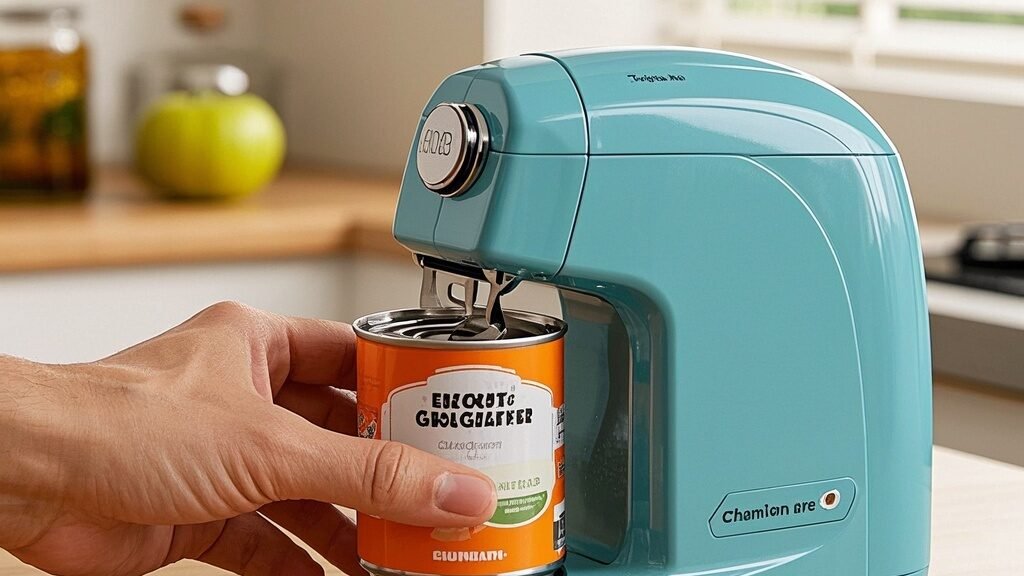
Are Automatic Can Openers Comfortable to Use?
You’re halfway through preparing dinner, a can of tomatoes in one hand and a stubborn manual opener in the other. Your wrist aches with the twisting motion, and the jagged lid you’re wrestling with feels like a minor safety hazard. This common kitchen struggle is precisely where the automatic can opener shifts from a luxury to a genuine tool for independence. For seniors or anyone with arthritis, limited grip, or simply a desire for more kitchen ease, the question isn’t just about comfort—it’s about accessibility. Modern automatic can openers are engineered to tackle this problem head-on, transforming a chore into a single-button operation. Let’s explore how these devices work, who benefits most, and what you should know before bringing one into your home.
Beyond Convenience: The Core Benefits for Accessibility
While anyone can appreciate not having to crank a handle, the advantages of an electric can opener are profoundly felt by those with physical limitations. The primary benefit is the drastic reduction of required force and dexterity. A quality model requires only the push of a button and the ability to guide the can into place. This eliminates the painful pinching, twisting, and sustained pressure that make manual openers difficult for arthritic hands or weakened grips.
Safety and Consistency: A significant comfort factor is safety. Automatic openers typically leave a smooth, safe edge on the can, removing the risk of cuts from sharp, serrated lids. They also hold the lid magnetically, so you never have to touch it. This consistency is comforting—you get a clean, predictable open every time, without the worry of a malfunctioning manual opener slipping or leaving a hazardous edge.
Psychological Ease: Comfort is also mental. The confidence to open a can independently, without needing to ask for help, supports dignity and self-sufficiency in the kitchen. This empowerment is a key, often overlooked, component of comfort for seniors and people with limited hand strength.
Key Features for Maximum Comfort and Ease of Use
Not all automatic openers are created equal. When evaluating comfort, pay close attention to specific design elements that cater to ease of use.
Ergonomic Design and Operation: Look for models with large, easy-to-press buttons or levers. A wide, stable base is crucial to prevent tipping during operation. The cutting mechanism should be easy to align—some feature a “slide-and-lock” guide that positions the can perfectly with minimal effort. Weight is a factor; a heavier base can provide stability, but the unit shouldn’t be so heavy it’s difficult to move or clean.
Hands-Free Functionality: The hallmark of a truly comfortable automatic opener is hands-free operation. Once the can is locked in place and the button is pressed, the machine does all the work, spinning the can until it is completely severed. You are free to step away, a major benefit for those who may need to stabilize themselves or simply multitask.
Additional Conveniences: Many models now include bonus features that enhance comfort. A built-in knife sharpener is common. More helpful for accessibility might be a bottle opener or a side-cutting design that opens cans from the side instead of the top, which can be easier to align for some users.
Practical Tips and Important Safety Considerations
To ensure your automatic can opener remains a source of comfort and not frustration, follow these practical guidelines.
Setup and Daily Use: Always place the opener on a clean, dry, and level countertop. Ensure the power cord is tucked away to prevent tripping. When using, center the can under the cutting mechanism as per the manufacturer’s instructions—usually with the rim tucked under a guide. Press the button firmly and hold until the machine stops automatically. Always unplug the unit before cleaning or if not used for an extended period.
Cleaning and Maintenance for Longevity: Comfort depends on reliability. Most cutting assemblies are removable for easy rinsing. Wipe down the body with a damp cloth; never submerge the motor unit. Regularly check the cutting wheel for food debris or dullness. A clean cutter ensures smooth operation and prevents the motor from straining, which according to manufacturer notes, is the leading cause of premature failure.
Essential Safety Notes: Never attempt to open a can that is severely dented, bulging, or damaged. Keep fingers, hair, and loose clothing away from the moving cutting assembly. These devices are for metal cans only; do not use on glass, plastic, or composite containers. Always supervise its use if cognitive impairment is a concern.
Finding the Right Model: A Look at Recommended Types
The market offers several styles, each with comfort pros and cons.
Traditional Top-Down Openers: These are the most common. The can is placed underneath, and the cutter descends onto the lid. They are generally straightforward but require you to lift the can into position. Look for models with a very easy-lift lever or a low profile that minimizes lifting.
Side-Cutting Openers: These units pierce the can’s side wall, just under the rim, and travel around it. The key comfort advantage is that the lid is removed completely, leaving a smooth, safe top edge. The can often sits lower in the machine, which can require less lifting. The lid remains inside the can, which some users prefer.
High-End and Specialized Models: For ultimate ease, consider an under-cabinet mounted opener. It frees up counter space and is often at a perfect, fixed height. Some advanced models even feature automatic sensing to start and stop. While more expensive, they represent the pinnacle of hands-free, accessible design.
Who Should Consider an Automatic Can Opener?
If you or a loved one experiences hand pain, arthritis, reduced grip strength, or tremors, an automatic can opener is more than a convenience—it’s an assistive device that promotes kitchen independence. It’s also a smart choice for anyone who values efficiency and safety in their daily routine. The comfort they provide is tangible, turning a potentially painful task into a simple, secure process.
Find the perfect can opener for your needs below!
Related Guides:
- Best Rated Can Openers 2026 (All Categories)
- Best Can Opener for Seniors with Weak Grip (2026 Top Picks)
- Best Can Opener for Arthritis Patients (2026 Pain-Free Picks)
- Best Can Opener for Stroke Survivors (2026 Easy-Use Picks)
- Best Electric Can Opener (2026 Top-Rated Automatic Models)
- Best Hands-Free Can Opener (2026 No-Grip Effort Models)
- Best Manual Can Opener (2026 Ergonomic Low-Effort Models)
- Best Sharp-Edge-Free Can Opener (2026 Safe No-Cut Models)