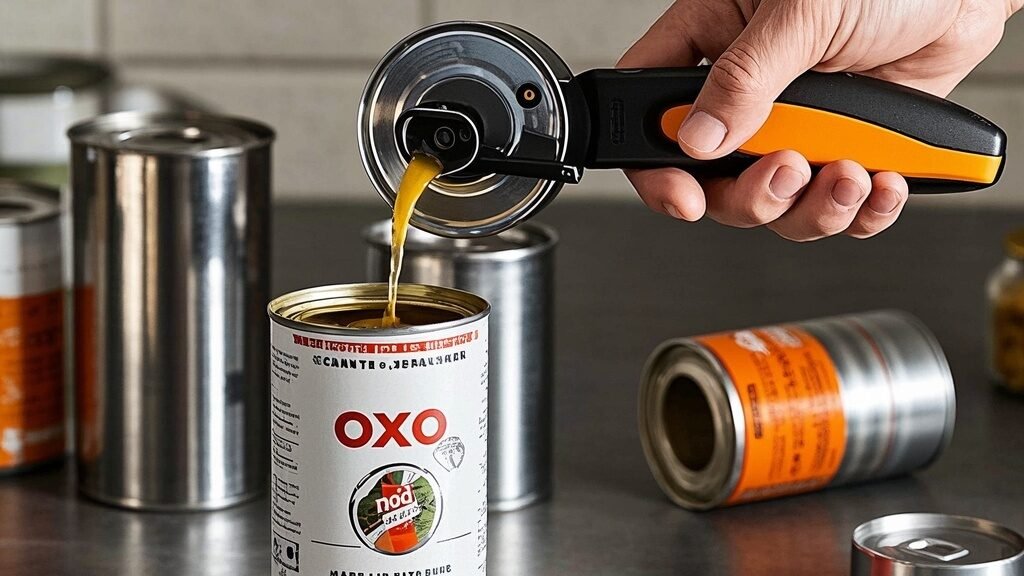
Are Automatic Can Openers Good for Home Use?
You’re in the middle of preparing a family favorite, a hearty chili, and the recipe calls for two cans of beans and one of tomatoes. As you reach for your trusty manual can opener, a familiar twinge of arthritis in your wrist makes you pause. This small, everyday moment of friction is where the conversation about kitchen tools shifts from convenience to necessity. For millions, particularly seniors and individuals with limited hand strength, the simple act of opening a can can be a significant hurdle. This is where the automatic can opener steps in, transforming a task of effort into one of effortless efficiency. But is this specialized gadget a worthwhile addition to the average home kitchen, or is it an unnecessary single-use appliance? Let’s unpack the reality behind the convenience.
Who Truly Benefits from an Automatic Can Opener?
The core appeal of an electric can opener extends far beyond mere laziness. Its design directly addresses specific physical challenges, making it an invaluable tool for key demographics.
Seniors and Individuals with Arthritis
For those with arthritis, reduced grip strength, or hand tremors, the twisting and pressing motion required by a manual opener can range from uncomfortable to impossible. An automatic model requires only the push of a button and gentle guidance, eliminating pain and strain. This independence in the kitchen is crucial for maintaining dignity and self-sufficiency.
People with Limited Mobility or Hand Strength
This group includes individuals recovering from surgery, those with conditions like carpal tunnel syndrome, or anyone with temporary or permanent limitations. The motorized action does all the hard work, conserving energy for other tasks. It’s not just about opening cans; it’s about removing a barrier to easy meal preparation.
General Household Convenience
Even for those without physical limitations, the speed and consistency of an automatic opener are undeniable. It’s perfect for busy weeknights, large meal preps, or simply avoiding the frustration of a dull or misaligned manual opener. It creates a smooth, magnetically held lid with no sharp edges, which is a significant safety advantage for any home.
Key Features and Practical Considerations
Not all automatic can openers are created equal. When evaluating one for home use, several features stand out as essential for performance, safety, and longevity.
Performance and Ease of Use
The best models feature powerful motors that can handle various can sizes without stalling. Look for a hands-free design where the machine grips and rotates the can automatically—you just place it and press the lever. A built-in lid lifter that magnetically holds the cut lid is a non-negotiable feature, keeping sharp metal away from your fingers.
Safety and Design
Safety is paramount. A secure locking mechanism prevents accidental activation. The cutting assembly should be easy to detach and clean to prevent food residue buildup and bacterial growth. Cordless models offer great flexibility but require battery management. Consider the footprint; some are tall and vertical, while others have a more horizontal design, impacting counter space.
Durability and Maintenance
According to manufacturer specs and user reviews, models with metal gears and housings tend to outlast those with excessive plastic components. Regular cleaning is the single most important maintenance task. Always unplug the unit before wiping down the exterior and carefully rinsing the removable cutting head. Never immerse the motor base in water.
Weighing the Pros and Cons
To make an informed decision, a balanced view is essential.
The Advantages
The primary benefit is accessibility. It empowers individuals who might otherwise struggle. It’s fast, consistent, and leaves a smooth, safe edge on the can. For families, it’s a tool that everyone, regardless of age or ability, can use safely and effectively.
The Potential Drawbacks
These units require counter space and an electrical outlet (unless cordless). They are another appliance to clean and maintain. In our testing, cheaper models can be noisy, less durable, or struggle with odd-shaped cans. There is also an initial cost higher than a basic manual opener.
Tips for Choosing and Using Your Opener
Start by identifying your primary need: is it for accessibility or general convenience? Read reviews focusing on reliability and noise level. In stores, if possible, test the button or lever action to ensure it’s not too stiff. At home, always center the cutter on the can’s rim before starting. Run the opener for a second after cutting is complete to ensure a clean separation. Clean the cutting wheel after every few uses to ensure optimal performance.
Who Should Consider an Automatic Can Opener?
If you or someone in your household faces challenges with grip strength, arthritis, or hand pain, an automatic can opener is an excellent investment in kitchen independence and safety. It’s also a smart choice for any home cook who values efficiency, consistency, and enhanced safety during food preparation. For these users, the benefits far outweigh the minor cost and counter space. Find the perfect can opener for your needs below!
Related Guides:
- Best Rated Can Openers 2026 (All Categories)
- Best Can Opener for Seniors with Weak Grip (2026 Top Picks)
- Best Can Opener for Arthritis Patients (2026 Pain-Free Picks)
- Best Can Opener for Stroke Survivors (2026 Easy-Use Picks)
- Best Electric Can Opener (2026 Top-Rated Automatic Models)
- Best Hands-Free Can Opener (2026 No-Grip Effort Models)
- Best Manual Can Opener (2026 Ergonomic Low-Effort Models)
- Best Sharp-Edge-Free Can Opener (2026 Safe No-Cut Models)