Can Automatic Can Openers Be Used Without Grip Strength?
Opening a simple can of soup or beans shouldn’t feel like a workout. For many, the familiar struggle with a manual opener—twisting, gripping, and applying pressure—is more than just an inconvenience; it’s a barrier to easy, independent meal prep. The rise of electric and automatic can openers has fundamentally changed this kitchen task, turning a chore that requires significant hand and wrist strength into a one-button operation. These devices are specifically designed to address the challenges faced by seniors and individuals with arthritis, limited mobility, or reduced grip strength. By automating the cutting process, they eliminate the need for twisting force and provide a stable, safe way to access canned goods.
How Automatic Can Openers Work for Limited Hand Strength
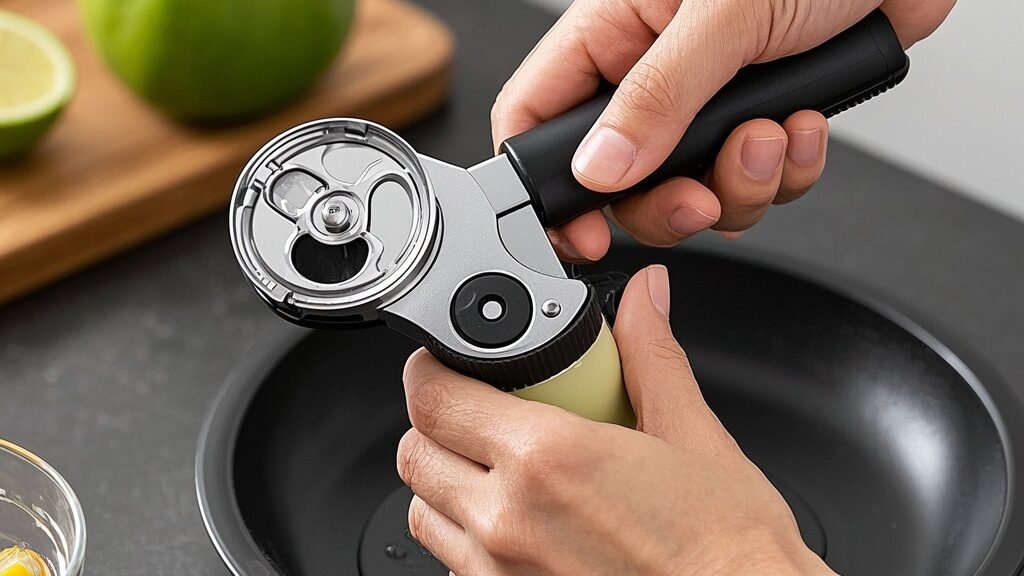
Understanding the mechanism is key to appreciating their accessibility. Unlike manual openers that rely on your hand’s rotational force and grip to turn a cutting wheel, automatic and electric can openers do all the heavy lifting. You simply align the can under the cutting mechanism, press a lever or button, and the device magnetically holds the lid and automatically rotates the can against a stationary blade. Your role is reduced to positioning and initiating the process.
Key Features for Accessibility: Look for models with large, easy-press buttons or paddles instead of small switches. A wide, stable base is crucial to prevent tipping. Many modern openers also feature hands-free operation, where the opener grips the can for you, and automatic shut-off once the cut is complete. This design means the user expends minimal energy—no squeezing, no twisting, just a simple push to start.
Practical Tips for Choosing and Using an Automatic Opener
Not all automatic openers are created equal, especially when considering specific needs. Selecting the right model involves more than just picking the first one you see on the shelf.
Prioritize Ease of Use and Stability: The best opener for someone with limited grip is one that’s simple to operate and secure on the counter. Test the activation mechanism; a large paddle or a prominent button is often easier than a small toggle switch. Ensure the base has non-slip feet. Consider a hands-free can opener design, as it securely holds the can throughout the process, eliminating the need to steady it.
Safety and Maintenance Are Paramount: Always place the opener on a dry, level surface. Keep fingers clear of the cutting area. Most openers have a safety lock to prevent accidental activation. Regular cleaning of the cutting assembly is essential to prevent food buildup, which can hinder performance and hygiene. Always unplug the device before cleaning. According to manufacturer guidelines, avoid submerging the motor unit in water.
Safety Considerations and Potential Drawbacks
While immensely helpful, it’s important to use these tools with awareness. The primary safety advantage is the removal of sharp, manually manipulated lids. Most automatic openers leave a smooth edge on the can and safely contain the cut lid, often magnetically.
Understanding the Limitations: Power dependency is the most obvious drawback; a dead battery or power outage renders it useless. Some models may struggle with unusually shaped, very large, or very small cans, so checking the size specifications is wise. In our testing, cheaper models can sometimes be noisy or have less powerful motors that stall on tougher cans. They also require counter space and access to an outlet, which might not suit every kitchen setup.
Top Considerations for Seniors and Accessibility
For seniors or anyone with dexterity challenges, an automatic opener isn’t just a convenience—it’s a tool for maintaining independence in the kitchen. It reduces frustration and the risk of injury from struggling with a manual tool or using knives as improvised openers.
Look for Senior-Friendly Designs: Beyond easy buttons, consider additional features like built-in knife sharpeners or bottle openers to reduce kitchen tool clutter. Lightweight models are easier to move and store. A clear, simple instruction panel with large icons or text is a significant plus. The goal is to find a device that feels intuitive and requires no complex setup or strength to operate daily.
Who Should Consider an Automatic Can Opener? If you or a loved one experiences pain, stiffness, or weakness in the hands, wrists, or arms—whether from arthritis, injury, or general aging—an automatic can opener is a worthwhile investment. It’s also an excellent tool for anyone seeking faster, more consistent results with minimal effort. By removing a common physical barrier in the kitchen, it promotes easier cooking and greater self-sufficiency. Find the perfect can opener for your needs below!
Related Guides:
- Best Rated Can Openers 2026 (All Categories)
- Best Can Opener for Seniors with Weak Grip (2026 Top Picks)
- Best Can Opener for Arthritis Patients (2026 Pain-Free Picks)
- Best Can Opener for Stroke Survivors (2026 Easy-Use Picks)
- Best Electric Can Opener (2026 Top-Rated Automatic Models)
- Best Hands-Free Can Opener (2026 No-Grip Effort Models)
- Best Manual Can Opener (2026 Ergonomic Low-Effort Models)
- Best Sharp-Edge-Free Can Opener (2026 Safe No-Cut Models)