Can Seniors Use Hands-Free Can Openers?
Opening a simple can of soup or vegetables can become a daily challenge for many older adults. Arthritis, reduced grip strength, or conditions like Parkinson’s can turn this basic kitchen task into a frustrating, and sometimes painful, ordeal. The familiar struggle with a manual can opener—twisting, gripping, and applying pressure—is a reality for millions. This is where modern kitchen technology offers a liberating solution: the hands-free can opener. These electric and automatic devices are specifically designed to eliminate the physical strain, making independence in the kitchen not just possible, but easy and safe again.
Understanding Hands-Free Can Openers: Electric vs. Automatic
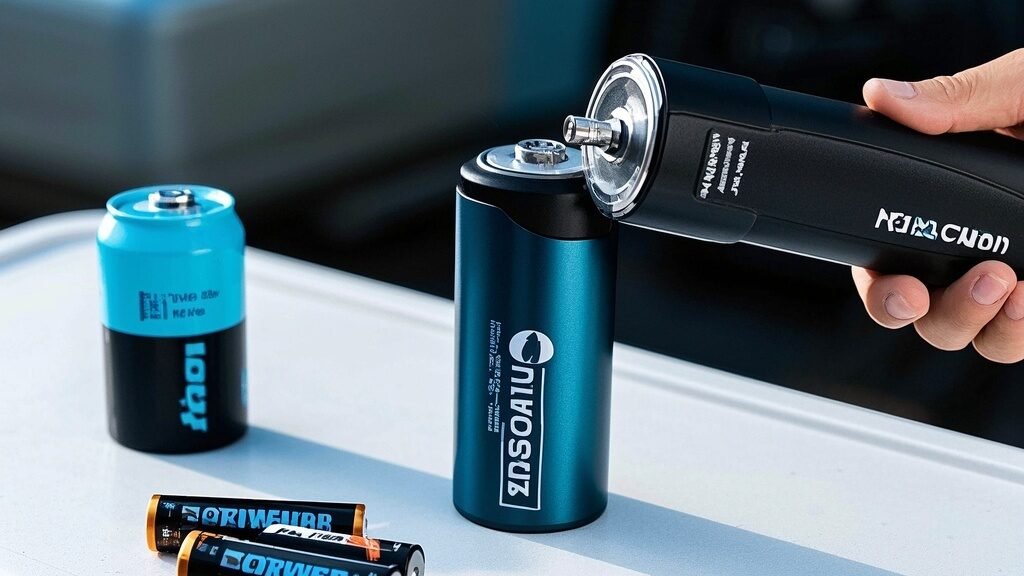
While often used interchangeably, “electric” and “automatic” or “hands-free” can describe slightly different mechanisms, though their core benefit is the same: minimal user effort. A standard electric can opener requires you to press a button to start the motor, which rotates the can while a cutting blade does the work. You typically hold the unit in place. A true hands-free or automatic can opener takes it a step further. You place the can on a magnetic holder, press a lever or button, and the machine does the rest—cutting the lid completely and then automatically stopping. The lid is often lifted away magnetically, so you never touch the sharp edge.
For seniors, this distinction is crucial. The fully automatic models are the gold standard for accessibility. They require no grip strength to hold the opener or the can steady. The process is contained, reducing the risk of slips or cuts. Whether electric or fully automatic, both types represent a significant upgrade from manual openers, transforming a taxing chore into a one-touch operation.
Key Benefits for Seniors and Those with Limited Mobility
The advantages of switching to a hands-free model extend far beyond simple convenience. They directly address the physical limitations that come with aging or disability.
Safety and Independence
The most immediate benefit is enhanced safety. Manual openers leave sharp, jagged lids and require handling the can’s contents near the cut edge. Automatic openers cleanly remove the lid, often holding it magnetically. This eliminates the number one cause of kitchen cuts for seniors. By restoring the ability to open cans safely, these tools foster a powerful sense of independence and confidence, allowing individuals to prepare their own meals without assistance.
Reduced Physical Strain
These devices are engineered to require minimal force. A simple press of a large, easy-to-see button or lever activates the mechanism. There is no twisting of wrists, no squeezing of handles, and no need for sustained grip. This is a game-changer for those with arthritis, carpal tunnel syndrome, or generalized hand weakness. It reduces pain and fatigue associated with meal preparation.
Ease of Use and Convenience
Modern hands-free openers are designed with user-friendly features. Large buttons, intuitive controls, non-slip bases, and easy-to-clean surfaces are common. Many models also include additional functions like built-in knife sharpeners or bottle openers, reducing the need for multiple tools. The convenience factor cannot be overstated—what was a dreaded task becomes effortless.
Practical Tips for Choosing and Using an Automatic Can Opener
Not all hands-free can openers are created equal. Selecting the right one involves considering specific needs and capabilities.
Key Features to Look For
Prioritize models with a strong magnetic lid lifter to safely remove the cut lid. A powerful motor is essential for smoothly opening various can sizes, including tall soup cans, without stalling. Look for a wide, stable base that won’t slide on the countertop during operation. For those with vision concerns, openers with high-contrast colors or illuminated buttons can be helpful. Finally, consider ease of cleaning; removable cutting assemblies that are dishwasher-safe are a major plus.
Safety and Maintenance Considerations
Always place the opener on a clean, dry, and stable surface before use. Ensure the cutting mechanism is clean and free of food debris, which can hinder performance and hygiene. Periodically check the power cord for any wear or damage. While the machine does the work, it’s still important to supervise its operation. Teach the user to always ensure the can is properly seated on the magnetic holder before starting. According to manufacturer guidelines, most cutting wheels are not user-replaceable, so the entire unit may need replacing if the cutting performance declines significantly.
Top Considerations and Potential Drawbacks
While immensely beneficial, hands-free can openers have a few limitations to keep in mind. They require access to an electrical outlet and counter space, which may not be available in all kitchen setups. They are also bulkier than manual openers and require occasional cleaning of the cutting mechanism. Some lower-powered models may struggle with unusually thick or large cans. In our testing, we’ve found that the very best models handle standard cans flawlessly, but it’s wise to manage expectations for industrial-sized containers. The initial cost is higher than a basic manual opener, but the investment in safety, ease, and independence is typically well worth it.
Who Should Consider a Hands-Free Can Opener?
If you or a loved one experiences pain, weakness, or tremor in the hands; finds a manual opener difficult to operate; or is simply seeking a safer, more convenient way to handle canned goods, a hands-free can opener is an excellent solution. It’s more than a kitchen gadget—it’s a tool for maintaining autonomy and enjoying the simple pleasure of preparing a meal without struggle.
Find the perfect hands-free can opener to reclaim kitchen independence below!
Related Guides:
- Best Rated Can Openers 2026 (All Categories)
- Best Can Opener for Seniors with Weak Grip (2026 Top Picks)
- Best Can Opener for Arthritis Patients (2026 Pain-Free Picks)
- Best Can Opener for Stroke Survivors (2026 Easy-Use Picks)
- Best Electric Can Opener (2026 Top-Rated Automatic Models)
- Best Hands-Free Can Opener (2026 No-Grip Effort Models)
- Best Manual Can Opener (2026 Ergonomic Low-Effort Models)
- Best Sharp-Edge-Free Can Opener (2026 Safe No-Cut Models)