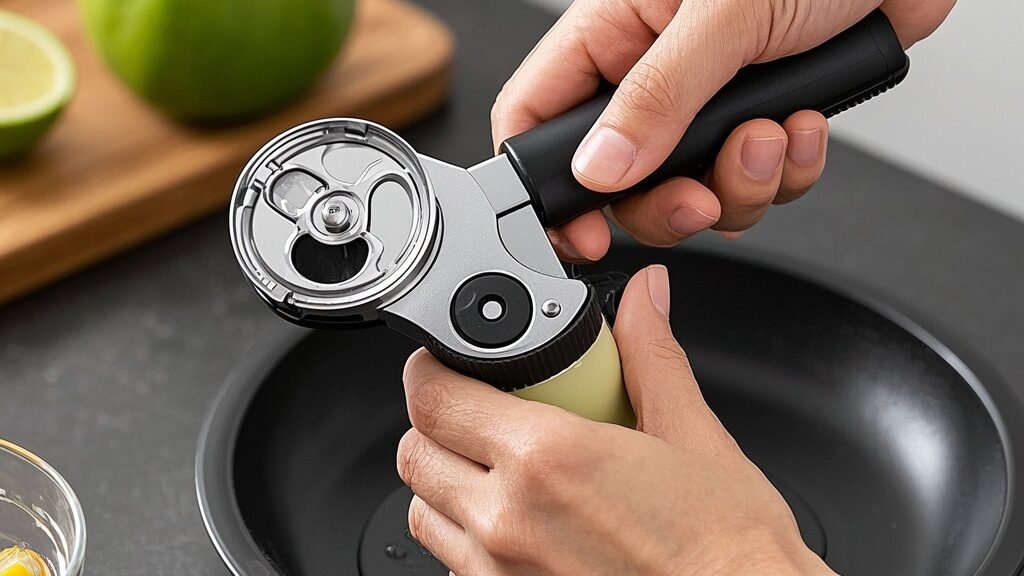
How Can Seniors Reduce Hand Strain When Opening Cans?
Opening a simple can of soup shouldn’t feel like a workout. Yet, for many seniors or anyone with arthritis, limited grip strength, or hand pain, that’s exactly what it becomes. The twisting, pressing, and awkward maneuvering required by a manual can opener can turn meal prep from a simple task into a source of frustration and discomfort. Fortunately, kitchen technology offers a liberating solution designed to eliminate this struggle entirely.
Electric and automatic can openers are specifically engineered to tackle this challenge, providing a safe, effortless alternative. By transferring the physical effort from your hands and wrists to a small motor, these devices restore independence in the kitchen. This guide will explore how these tools work, their key benefits, and how to choose the right model to make opening cans a pain-free experience again.
Why Manual Openers Cause Strain and How Electric Models Help
The fundamental design of a traditional manual can opener is the root of the problem. It requires a combination of sustained grip strength to hold the handles, rotational force in the wrist to turn the key, and downward pressure to keep the cutter wheel engaged. For aging hands or joints affected by conditions like osteoarthritis, these simultaneous actions can be painful and difficult to execute.
The Mechanics of Relief
An electric can opener changes the game completely. With a simple press of a button or lever, a built-in motor does all the work. The device typically magnetically holds the can lid after cutting, contains the sharp edges safely within its housing, and often features large, easy-to-press buttons or paddles. This eliminates the need for pinching, twisting, or applying pressure, significantly reducing strain on fingers, hands, and wrists.
Key Benefits of Automatic and Electric Can Openers for Seniors
Moving beyond just reducing strain, these appliances offer a suite of advantages that promote safety, independence, and convenience.
Enhanced Safety and Independence
Safety is a paramount concern. Many automatic openers feature hands-free operation where the machine grips and rotates the can itself. The cut lid is held by a magnet, preventing contact with sharp edges. This design minimizes the risk of cuts, which can be a serious concern for those with thinner skin or reduced dexterity. By making the task easy and safe, these tools help seniors maintain their ability to prepare their own meals, fostering a valuable sense of self-reliance.
Ease of Use and Accessibility
Manufacturers have thoughtfully designed these products with accessibility in mind. Look for models with oversized, tactile buttons or paddles that are easier to locate and press than small switches. A stable, non-slip base is crucial to prevent the unit from moving during operation. Some advanced models even offer additional functions like built-in knife sharpeners or bottle openers, consolidating tools and reducing clutter.
Choosing the Right Can Opener: A Practical Buying Guide
Not all electric can openers are created equal. Considering a few key factors will ensure you select a model that best suits individual needs and abilities.
Hands-Free vs. Manual-Guided Models
This is the most important distinction. A true hands-free automatic can opener requires the least physical interaction. You place the can on the base, lower the cutting arm (often with a simple lever), and press a button. The machine does the rest, gripping and spinning the can. A manual-guided electric opener is lighter and more portable but requires you to hold the unit and guide it around the can’s rim. While still motorized, it may not be suitable for those with very weak grip strength.
Important Features to Prioritize
When evaluating models, prioritize a powerful motor that won’t stall on thicker cans. A strong magnetic lid lifter is essential for safety. Consider the size of the base and cutting mechanism to ensure it can accommodate larger cans, like those for broth or coffee. Ease of cleaning is also key; look for parts that are dishwasher safe or easy to wipe clean. In our testing, units with a simpler, one-lever operation mechanism tend to be the most intuitive for first-time users.
Safety Tips and Best Practices for Use
Even with an automated tool, following basic safety and maintenance guidelines ensures optimal performance and longevity.
Always place the opener on a clean, dry, and stable countertop before use. Ensure the cutting wheel is clean and free of food debris, as buildup can hinder performance. Periodically check that the power cord is in good condition and not frayed. After use, unplug the unit before cleaning. Remember that while the lid is magnetically held, it’s still sharp; dispose of it carefully immediately after opening. According to manufacturer guidelines, most electric openers are not designed to open cans with pull-tab lids or oddly shaped containers.
Who Should Consider an Electric Can Opener?
If you or a loved one experiences hand pain, arthritis, reduced grip strength, or general fatigue during kitchen tasks, an electric can opener is more than a convenience—it’s a tool for preserving independence and comfort. It’s an ideal solution for seniors wishing to age in place, individuals recovering from hand or wrist surgery, or anyone who simply wants to remove a small but persistent obstacle from their daily routine.
Find the perfect can opener to ease your kitchen tasks and reduce hand strain below!
Related Guides:
- Best Rated Can Openers 2026 (All Categories)
- Best Can Opener for Seniors with Weak Grip (2026 Top Picks)
- Best Can Opener for Arthritis Patients (2026 Pain-Free Picks)
- Best Can Opener for Stroke Survivors (2026 Easy-Use Picks)
- Best Electric Can Opener (2026 Top-Rated Automatic Models)
- Best Hands-Free Can Opener (2026 No-Grip Effort Models)
- Best Manual Can Opener (2026 Ergonomic Low-Effort Models)
- Best Sharp-Edge-Free Can Opener (2026 Safe No-Cut Models)