What Is the Safest Can Opener for Aging Hands?
Opening a simple can of soup shouldn’t feel like a high-stakes challenge. Yet, for many seniors or individuals with arthritis, reduced grip strength, or tremors, the traditional manual can opener transforms a basic kitchen task into a frustrating, and sometimes painful, ordeal. The sharp edges, the required twisting force, and the slippery handles can pose real risks. The good news is that kitchen technology has evolved precisely to restore independence and safety. The safest can opener for aging hands is often an electric or automatic model, designed to do the hard work for you.
Why Electric and Automatic Openers Are a Game-Changer
Moving from a manual to an electric can opener isn’t just a minor upgrade; it’s a fundamental shift in how you interact with your pantry. These devices are engineered to minimize physical effort and maximize safety, addressing the specific challenges that come with aging hands.
Key Benefits for Seniors and Limited Mobility
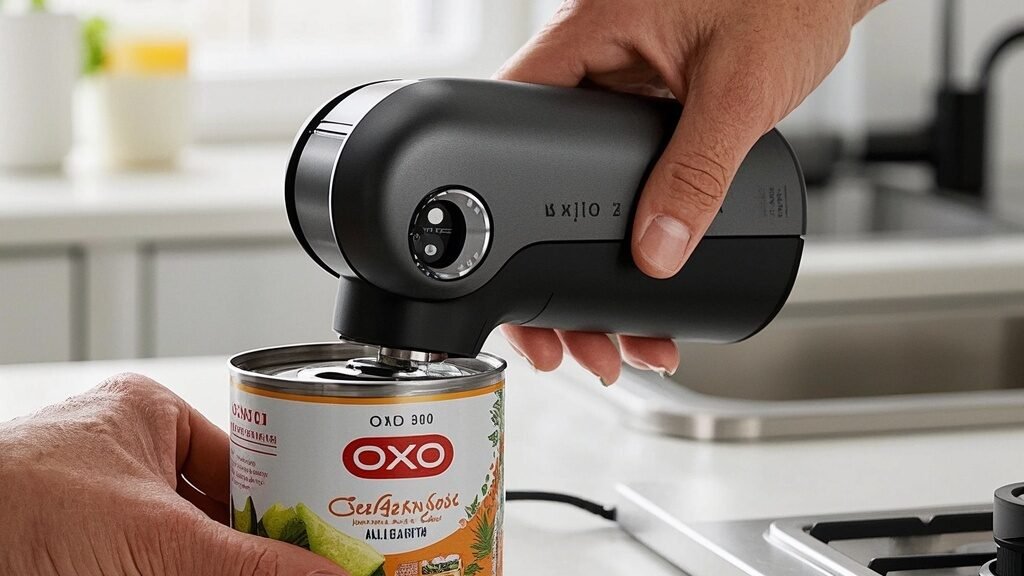
The primary advantage is the drastic reduction in required force and dexterity. You simply place the opener on the can, press a button, and it does the rest. This eliminates the painful gripping, twisting, and wrist motion that aggravates conditions like arthritis. Furthermore, most modern electric models are designed with safety features like magnetic lid lifters, which automatically grab and hold the cut lid, so your fingers never need to touch the sharp, freshly-cut metal edge. This significantly reduces the risk of cuts, which can be serious and slow to heal for older adults.
Ease of Use and Independence
Beyond safety, these openers promote kitchen independence. The confidence to prepare a meal without assistance is invaluable. Many models also feature large, easy-to-press buttons, non-slip bases to prevent walking during operation, and straightforward one-step functions. This user-centric design philosophy turns a daunting task back into the simple, quick activity it should be.
Choosing the Right Model: Key Features to Prioritize
Not all electric can openers are created equal, especially when prioritizing safety and accessibility. Knowing what to look for can help you find the perfect tool for your needs.
Essential Safety and Usability Features
First and foremost, a magnetic lid lifter is non-negotiable for safety. This feature is the cornerstone of hands-free lid removal. Next, look for a powerful motor that can handle various can sizes without stalling or requiring assistance. A wide opening arm accommodates large cans, while a stable, heavy base with non-slip feet ensures the unit stays put during operation. For those with very limited hand strength or vision concerns, models with extra-large, tactile buttons or simple lever actions are ideal.
Automatic vs. Semi-Automatic: Understanding the Difference
You’ll encounter two main types: automatic and semi-automatic (or electric). A fully automatic can opener requires you to just position the can and press a button; it automatically moves around the rim, stops when finished, and often retracts the cutter. A semi-automatic model typically requires you to hold a lever down to start and guide the process, stopping it manually. For maximum ease and minimal physical interaction, a fully automatic opener is generally the superior and safer choice for aging hands.
Practical Tips for Safe and Effective Use
Even with the safest appliance, following best practices ensures optimal performance and longevity while keeping you secure.
Setup and Operation Best Practices
Always place the opener on a clean, dry, and stable countertop. Ensure the cutting mechanism is clean and free of old food debris, which can hinder performance. Center the opener’s cutter under the can’s rim firmly before starting. Listen to the motor; a smooth, consistent sound indicates proper operation. If it strains or stutters, stop and reposition the can. Never try to force or manually assist the opener while it’s running, as this can damage the gears or cause injury.
Maintenance for Longevity
Regular cleaning is crucial. Unplug the unit and wipe it down with a damp cloth. The cutting wheel and magnet can often be gently cleaned with a small brush or damp cotton swab. Always refer to the manufacturer’s manual for specific disassembly and cleaning instructions. Periodically check the power cord for any wear or damage. A well-maintained opener is a reliably safe opener.
Top Considerations and Potential Drawbacks
While electric openers are highly recommended, it’s important to have a balanced view. They require access to a power outlet and counter space, which might not suit every kitchen layout. They are also more complex than manual openers, meaning there are more parts that could potentially malfunction over time. Some users note that the noise of the motor can be surprising. However, when weighed against the benefits of safety, independence, and reduced physical strain, these considerations are minor for most seniors seeking a reliable kitchen aid.
Who Should Consider an Electric Can Opener?
If you or a loved one experiences arthritis, hand weakness, Parkinson’s tremors, or general fatigue that makes kitchen tasks difficult, an electric or automatic can opener is an excellent investment in safety and autonomy. It’s a simple tool that can have a profound impact on daily life, turning a source of frustration back into one of simple nourishment. Find the perfect can opener for your needs below!
Related Guides:
- Best Rated Can Openers 2026 (All Categories)
- Best Can Opener for Seniors with Weak Grip (2026 Top Picks)
- Best Can Opener for Arthritis Patients (2026 Pain-Free Picks)
- Best Can Opener for Stroke Survivors (2026 Easy-Use Picks)
- Best Electric Can Opener (2026 Top-Rated Automatic Models)
- Best Hands-Free Can Opener (2026 No-Grip Effort Models)
- Best Manual Can Opener (2026 Ergonomic Low-Effort Models)
- Best Sharp-Edge-Free Can Opener (2026 Safe No-Cut Models)