How Can Seniors Improve Kitchen Safety When Opening Cans?
Picture the simple act of opening a can of soup for lunch. For many seniors, this daily task can transform from a minor chore into a frustrating, even hazardous, endeavor. Weak grip strength from arthritis, hand pain, or reduced dexterity can make a traditional can opener feel like an impossible puzzle, leading to slips, strain, and a loss of kitchen confidence. The good news is that a new generation of kitchen tools is specifically designed to restore that independence safely. Modern safety can openers and can openers for seniors are engineered to eliminate the struggle, prioritizing pain-free operation and secure handling to prevent common kitchen accidents.
Why Traditional Openers Pose Risks and What to Look For
Standard manual can openers require a firm, sustained grip and significant wrist rotation to turn a small knob. This motion can be painful or impossible for those with arthritis (osteoarthritis or rheumatoid arthritis), carpal tunnel, or general hand weakness. The slippery metal handle and the force required often lead to the opener slipping off the can, which can cause cuts or spill sharp-edged lids. Furthermore, struggling with a stubborn opener can lead to fatigue and loss of balance.
Key Safety and Ease-of-Use Features: When shopping for a senior-friendly can opener, prioritize these elements. Look for large, soft-grip handles that distribute pressure and require minimal squeezing. Electric or automatic openers remove the need for hand strength entirely—you simply position it and press a button. A side-cutting design that leaves a smooth, safe lid edge is non-negotiable for safety, eliminating sharp, jagged rims. Finally, consider stability; openers with strong magnetic lid lifters or those that lock securely onto the can prevent dangerous slips during operation.
Top Can Opener Styles for Enhanced Safety and Independence
Not all accessible openers are the same. Understanding the different types helps you find the perfect match for specific needs and ability levels.
1. Electric/Automatic Can Openers: Maximum Ease
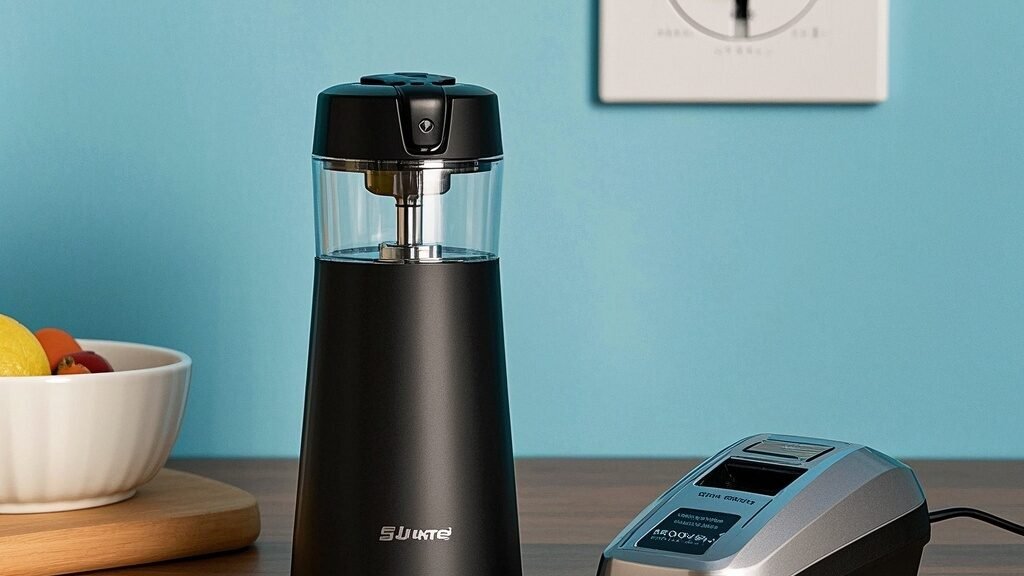
These are often the top recommendation for seniors with significant hand weakness or pain. Operation is simple: place the opener on top of the can, align the cutter, and press a lever or button. The motor does all the work, cutting the lid cleanly and usually lifting it magnetically. They require virtually no grip strength or manual dexterity. The primary consideration is that they need counter space and access to a power outlet.
Ideal User Profile: This style is best for individuals with severe arthritis, very weak hands, or those who prioritize effortless, one-touch operation above all else. It’s a fantastic tool for maintaining kitchen independence without strain.
2. Ergonomic Manual Openers: Improved Leverage
For those who prefer a manual tool or want a portable option, ergonomic designs are a vast improvement. These feature oversized, contoured handles coated in soft, non-slip rubber. The mechanism often uses a large turning knob or a lever-action design that provides greater mechanical advantage, reducing the effort needed per turn. Many incorporate the safe, smooth-edge side-cutting technology as well.
Ideal User Profile: Seniors with mild to moderate hand stiffness or weakness who have some grip strength and want a simple, reliable tool that doesn’t require electricity. They are also easy to store and clean.
3. Under-Cabinet and One-Handed Openers
These specialized designs offer unique benefits. Under-cabinet openers mount permanently to a surface, providing incredible stability—you just slide the can in and pull a lever. One-handed openers use a clamping or punching mechanism, which can be helpful for individuals with use of only one hand. While they have a learning curve, they offer a highly secure and stable opening process.
Practical Kitchen Safety Tips Beyond the Opener
Choosing the right tool is the first step. Combining it with smart kitchen practices creates a truly safe environment.
Always ensure your work surface is dry and the can is stable before starting. If using a manual opener, open cans on a non-slip mat or a damp cloth to prevent spinning. After opening, use the tool’s magnet or a dedicated lid lifter to remove the lid immediately; never use your fingers. Dispose of sharp lids safely by placing them back inside the empty can and crushing the top before recycling. Keep your can opener clean and dry; food residue can make handles slippery and affect the cutting mechanism. Finally, store your opener in an easy-to-reach place to avoid awkward stretching or bending.
Maintaining independence in the kitchen is crucial for well-being and dignity. By investing in a thoughtfully designed can opener for weak hands and adopting these simple safety habits, seniors can confidently and safely continue to prepare their own meals. The right tool doesn’t just open a can; it opens the door to continued self-reliance.
Who Should Consider a Safety Can Opener? This solution is ideal for any older adult experiencing hand pain, arthritis, reduced grip strength, or tremors that make using a standard opener difficult or unsafe. It’s also a thoughtful gift for family members who want to support a senior’s independence and safety at home. Find the perfect can opener to restore confidence and safety in your kitchen below!
Related Guides:
- Best Rated Can Openers 2026 (All Categories)
- Best Can Opener for Seniors with Weak Grip (2026 Top Picks)
- Best Can Opener for Arthritis Patients (2026 Pain-Free Picks)
- Best Can Opener for Stroke Survivors (2026 Easy-Use Picks)
- Best Electric Can Opener (2026 Top-Rated Automatic Models)
- Best Hands-Free Can Opener (2026 No-Grip Effort Models)
- Best Manual Can Opener (2026 Ergonomic Low-Effort Models)
- Best Sharp-Edge-Free Can Opener (2026 Safe No-Cut Models)