Are Smooth-Edge Can Openers Better for Seniors?
Imagine opening a can of soup and, instead of wrestling with a sharp, jagged lid, you simply lift off a perfectly smooth disc. This isn’t a futuristic kitchen concept; it’s the everyday reality offered by a smooth-edge can opener. For many seniors, the simple task of opening a can becomes a significant hurdle due to arthritis, weakened grip strength, or limited hand mobility. Traditional openers can be painful, frustrating, and even dangerous. The question isn’t just about convenience—it’s about maintaining independence and safety in the kitchen. A safety can opener designed with seniors in mind might be the key to turning a chore back into an easy task.
Understanding the Safety Advantage: Smooth-Edge vs. Traditional
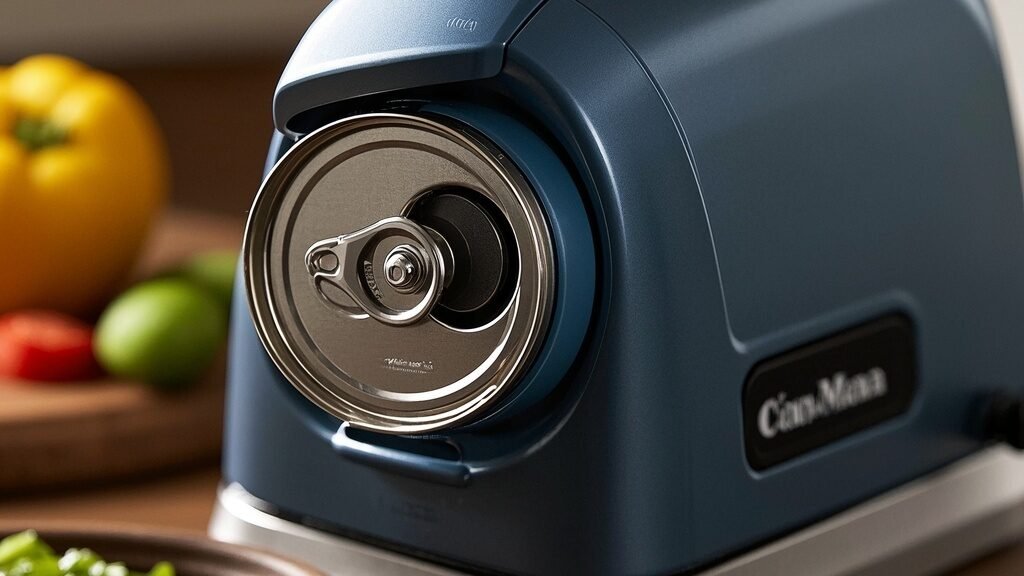
The core difference lies in the cutting mechanism. Traditional openers use a piercing wheel and a serrated blade to cut through the metal lid from the top, leaving a sharp, hazardous edge that can easily cut fingers. In contrast, a smooth-edge (or safety-edge) model works from the side. It grips the rim of the can and cleanly separates the lid from its base at the seam, leaving no sharp edges behind. This fundamental design shift addresses the primary safety concern for elderly users.
Safety and Independence: The absence of sharp metal is a game-changer. It eliminates the risk of nasty cuts when handling or disposing of the lid, a common accident point. For someone with shaky hands or reduced tactile sensitivity, this feature provides immense peace of mind. Furthermore, the smooth lid often sits neatly back on the can, allowing for easy storage of leftovers without the need for transferring to another container—a small but meaningful boost to kitchen independence.
Key Features for Ease of Use and Pain-Free Operation
Beyond the smooth-edge mechanism, the best can openers for seniors incorporate several ergonomic and practical features. These design choices directly combat the challenges posed by arthritis and weak hands.
Ergonomic Handles and Effortless Grip: Look for models with large, soft-grip, or padded handles. These require minimal force to squeeze and distribute pressure across a wider area of the palm, reducing strain on arthritic joints. Some feature oversized, loop-style handles that allow users to employ their whole hand or even use an underhand grip, which can be easier than a traditional pinch grip.
Simple Operation and Automatic Function: The ideal opener should be easy to attach, requiring minimal alignment and downward pressure. Many safety models are electric or battery-operated, which is often the best solution for those with very limited strength or dexterity. With a push of a button, the magnetic opener does all the work, automatically gripping the can, cutting the lid, and even holding it magnetically for easy disposal. This truly pain-free operation can restore confidence in the kitchen.
Practical Tips for Choosing and Using a Senior-Friendly Can Opener
Selecting the right tool involves more than just picking a type. Consider the user’s specific needs and kitchen setup.
Assess Dexterity and Strength: For moderate arthritis, a high-quality manual smooth-edge opener with extra-large grips may suffice. For significant weakness or conditions like Parkinson’s, an automatic electric opener is almost always the safer, more reliable choice. Test the grip mechanism if possible—it should engage with minimal effort.
Stability and Mounting Options: A can opener that slides around the counter is frustrating and unsafe. Many electric models have a sturdy, non-slip base. Some manual versions offer a side-mounted design that clamps firmly to the edge of a table or counter, providing stability and allowing the user to operate it with one hand while steadying the can with the other. This is invaluable for those with limited mobility on one side.
Safety Considerations and Product Maintenance
Even with a safety-focused tool, good practices are essential. Always ensure the can opener is clean and dry before use to prevent slipping. For electric models, keep the cord safely away from the edge of the counter. Teach users to place the opened can away from the edge immediately to avoid spills. Regularly check the cutting wheel for food debris or dullness, and follow manufacturer instructions for cleaning—many smooth-edge openers have components that are dishwasher safe for easy sanitation.
Balancing the Pros and Cons: While smooth-edge openers excel in safety, they may struggle with unusually thick cans or odd-shaped rims. Some users find the initial attachment takes a bit more precision than a traditional pierce-style opener. Electric models solve the strength issue but require an outlet and battery management. Weighing these minor trade-offs against the significant benefits of safety and independence is crucial.
Who Should Consider a Smooth-Edge Can Opener?
If you or a loved one experiences hand pain, stiffness, tremors, or simply finds a traditional can opener difficult and dangerous, the answer is a resounding yes. Smooth-edge can openers, particularly ergonomic manual or automatic electric models, are specifically engineered to address these challenges. They transform a risky task into a simple, secure one, helping seniors maintain their autonomy and enjoy cooking without fear or frustration.
Find the perfect can opener for your needs below!
Related Guides:
- Best Rated Can Openers 2026 (All Categories)
- Best Can Opener for Seniors with Weak Grip (2026 Top Picks)
- Best Can Opener for Arthritis Patients (2026 Pain-Free Picks)
- Best Can Opener for Stroke Survivors (2026 Easy-Use Picks)
- Best Electric Can Opener (2026 Top-Rated Automatic Models)
- Best Hands-Free Can Opener (2026 No-Grip Effort Models)
- Best Manual Can Opener (2026 Ergonomic Low-Effort Models)
- Best Sharp-Edge-Free Can Opener (2026 Safe No-Cut Models)