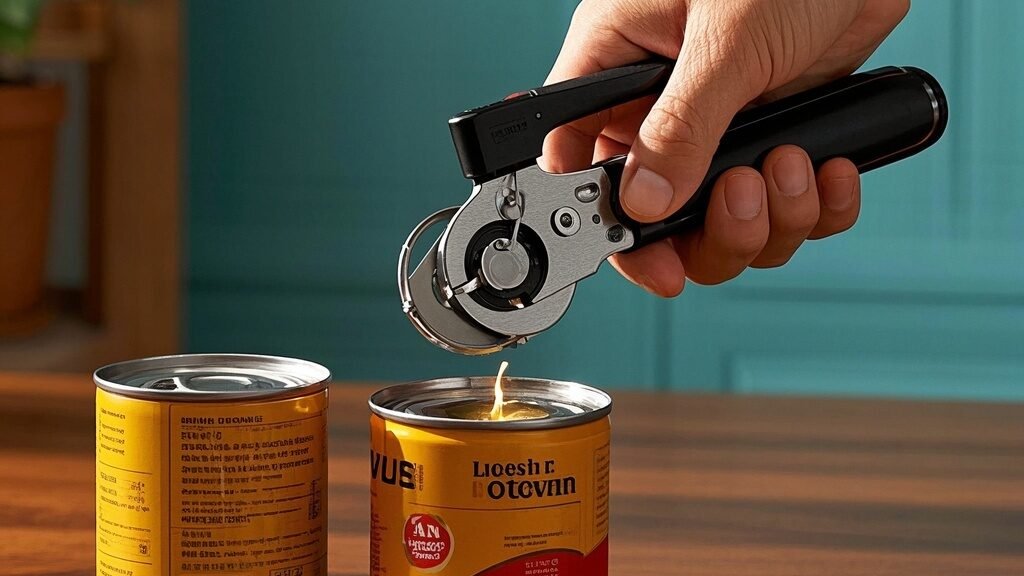
What Can Opener Is Best for Seniors with Grip Problems?
Picture a simple kitchen task that most of us take for granted: opening a can of soup for lunch. For many seniors, however, this everyday action can be a source of frustration, pain, and even risk. Weak grip strength, arthritis in the hands, or limited wrist mobility can turn a basic manual can opener into an insurmountable challenge. The good news is that the world of can openers for seniors has evolved dramatically, offering tools designed specifically for safety and ease of use. Finding the right safety can opener isn’t just about convenience; it’s about preserving independence and confidence in the kitchen.
Key Features to Look for in a Senior-Friendly Can Opener
Not all can openers are created equal, especially when grip strength is a concern. When shopping for an elderly loved one or for yourself, prioritize these features that directly address common physical limitations.
Ergonomic Design and Large Handles
Look for models with oversized, contoured handles. These are easier to grasp and require significantly less pinch force to operate. Cushioned, non-slip grips are a major plus, as they prevent the hand from slipping and reduce strain on arthritic joints.
Simple, One-Hand or Automatic Operation
The best can openers for weak hands minimize physical effort. Electric or automatic openers do all the work at the push of a button. For manual options, seek out designs with smooth, large turning knobs or lever-style mechanisms that use forearm strength instead of delicate finger grip.
Safety-First Cutting Mechanisms
Traditional openers leave a sharp, jagged lid and often a sharp edge on the can itself. Modern safety can openers cut from the side, leaving a smooth, safe rim and a lid that can be lifted off without touching a sharp edge. Some even magnetically hold the lid, eliminating the need to fish it out with fingers.
Top Can Opener Styles for Accessibility
Understanding the different types available will help you match the tool to the user’s specific abilities and preferences.
Electric/Automatic Can Openers
These are often the top recommendation for seniors with severe arthritis or very limited hand strength. With a simple alignment and press of a button, the motor does all the work. They are incredibly easy to use but require access to an outlet and counter space.
Side-Cutting or Smooth-Edge Manual Openers
This manual style is a fantastic balance of safety and simplicity. It uses a different cutting wheel that rolls under the can’s rim, creating a smooth edge. The turning mechanism is typically a large, easy-to-turn knob, making it suitable for those with moderate grip issues.
Lever-Style (“Wall-Mounted”) Openers
These openers mount to the wall or under a cabinet. You hook the can onto the device and pull down a long lever. This design utilizes body weight and larger arm muscles, completely bypassing the need for a strong hand grip. They are powerful and very safe but require installation.
Practical Tips for Safe and Pain-Free Use
Choosing the right tool is half the battle. Implementing these practices ensures a safer and more comfortable experience in the kitchen.
Setup and Stability are Key
Always operate the can opener on a stable, flat surface. For manual models, ensure the can is held securely in the device before starting. For electric models, make sure the power cord is out of the way to prevent tripping.
Leverage Body Mechanics
If using a manual opener with a knob, teach the user to place the palm of their hand over the knob and use a whole-hand turning motion instead of just their fingertips. This distributes the force and reduces joint stress.
Maintenance for Longevity
Keep the cutting wheel clean and free of food debris. A dull wheel requires more force. Some models have removable cutting assemblies that can be washed in the dishwasher. A drop of mineral oil on the gears occasionally can keep a manual opener turning smoothly.
Important Safety Considerations
Beyond the opener itself, a mindful approach prevents accidents and promotes long-term independence.
Assess Cognitive Ease
Consider how intuitive the opener is to use. Complicated locking mechanisms or multi-step processes can be confusing. The simplest, most straightforward operation is usually the safest for seniors.
Check for Ease of Cleaning
Hygiene is crucial. Openers with many nooks, crannies, or electrical components that can’t get wet may be difficult to keep clean. Look for models with simple, wipeable surfaces or dishwasher-safe parts.
Plan for Battery or Power Failure
If opting for an electric model, have a simple, easy-to-use manual backup available. This ensures the user is never stranded if batteries die or during a power outage.
Who Should Consider a Specialized Can Opener? If you or a loved one experiences pain, trembling, or weakness when using standard kitchen tools, or feels anxious about sharp edges, investing in a dedicated can opener for seniors is a wise decision. It’s a small tool that makes a profound difference, turning a daunting task back into a simple one and safeguarding the joy of preparing a meal independently. Find the perfect can opener for your needs below!
Related Guides:
- Best Rated Can Openers 2026 (All Categories)
- Best Can Opener for Seniors with Weak Grip (2026 Top Picks)
- Best Can Opener for Arthritis Patients (2026 Pain-Free Picks)
- Best Can Opener for Stroke Survivors (2026 Easy-Use Picks)
- Best Electric Can Opener (2026 Top-Rated Automatic Models)
- Best Hands-Free Can Opener (2026 No-Grip Effort Models)
- Best Manual Can Opener (2026 Ergonomic Low-Effort Models)
- Best Sharp-Edge-Free Can Opener (2026 Safe No-Cut Models)