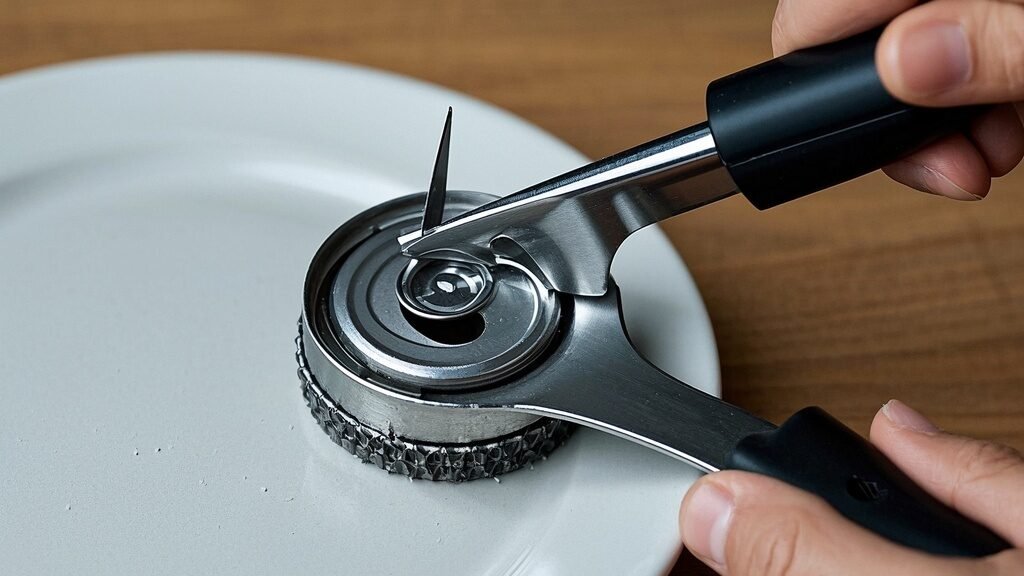
Can People with Weak Hands Use Automatic Can Openers?
For many, opening a can is a simple, two-second task. But for individuals with arthritis, weakened grip strength, or limited hand mobility, that simple metal lid can represent a significant barrier to independence in the kitchen. The struggle isn’t just about convenience; it’s about safety, frustration, and the desire to prepare a meal without pain. This is where the modern automatic can opener steps in, not as a luxury gadget, but as a genuine assistive tool. Designed with ergonomics and safety as core principles, these devices are transforming kitchen accessibility, offering a pain-free solution for seniors and anyone with hand strength challenges.
Understanding the Challenges: Why Traditional Openers Fail
Standard manual can openers require a combination of precise grip strength, wrist rotation, and sustained pressure—actions that can be difficult or painful for those with conditions like osteoarthritis or reduced dexterity. Slippery handles, blunt blades, and the need to stabilize the can itself add layers of complexity and risk. The result is often abandoned meals or, worse, cuts and strains from using excessive force or improper tools. Recognizing these barriers is the first step toward finding a safer, more empowering solution like an automatic can opener for seniors.
Key Features of a Safe and Accessible Can Opener
Not all automatic openers are created equal, especially when considering users with specific needs. Here’s what to prioritize when searching for the right model.
Ergonomic and Pain-Free Operation: The best models eliminate gripping and twisting altogether. Look for large, easy-press buttons or touchpads that require minimal force. A lightweight, cordless design is crucial, as it removes the hassle of managing a cord and allows the user to bring the opener to the can, not vice versa. This design philosophy is central to a can opener for weak hands.
Superior Safety Mechanisms: A true safety can opener goes beyond just being easy to use. The most important feature is a hands-free, magnetic lid lifter. After cutting, a strong magnet automatically grabs and holds the sharp lid, safely containing it within the opener’s housing. This means the user never has to touch the sharp edge. Additionally, look for models with auto-stop functions that shut off once the cutting is complete.
Ease of Use and Cleaning: Simplicity is key. The ideal opener should have a straightforward, one-step alignment system—often just dropping the can onto a drive mechanism—and a single button to start. Removable, dishwasher-safe cutting assemblies make hygiene effortless, which is vital for maintaining independence.
Practical Tips for Choosing and Using Your Opener
Selecting the right tool is half the battle; using it effectively ensures long-term success and safety.
Testing and Alignment: When you get your new opener, practice with an empty can. Get comfortable with aligning it; most modern designs make this intuitive. Ensure the cutting wheel is positioned on the outer rim of the lid, not the side of the can. A proper seal between the opener’s gasket and the can top is essential for a smooth, clean cut.
Battery and Maintenance: For cordless models, establish a charging routine. Keep the opener on its dock when not in use. Regularly check the cutting wheel for food debris and clean it according to the manufacturer’s instructions to ensure optimal performance and longevity. A well-maintained tool is a reliable tool.
Creating a Safe Kitchen Environment: Pair your automatic opener with other adaptive tools. Use a non-slip mat to stabilize bowls and cans on the counter. Consider lightweight, easy-grip utensils to complete a kitchen setup designed for comfort and independence. Remember, the goal is to build a supportive environment that reduces strain.
Top Considerations and Potential Drawbacks
While transformative, automatic can openers have nuances. They typically require an electrical outlet or charged batteries, adding a dependency that manual openers don’t have. In our testing, some models may struggle with unusually tall, short, or non-standard cans, though most handle common sizes flawlessly. The initial cost is higher than a basic manual opener, but the investment in safety, ease, and independence is often invaluable for the target user. It’s about weighing convenience against specific needs.
Who Should Consider an Automatic Can Opener? This tool is ideal for seniors, individuals with arthritis, carpal tunnel, Parkinson’s disease, or anyone experiencing generalized hand weakness or pain. It’s also a fantastic aid for those with limited mobility in one hand. If the act of opening cans has become a source of anxiety or has limited your culinary choices, an automatic can opener is more than a gadget—it’s a key to reclaiming kitchen confidence and self-sufficiency. Find the perfect can opener for your needs below!
Related Guides:
- Best Rated Can Openers 2026 (All Categories)
- Best Can Opener for Seniors with Weak Grip (2026 Top Picks)
- Best Can Opener for Arthritis Patients (2026 Pain-Free Picks)
- Best Can Opener for Stroke Survivors (2026 Easy-Use Picks)
- Best Electric Can Opener (2026 Top-Rated Automatic Models)
- Best Hands-Free Can Opener (2026 No-Grip Effort Models)
- Best Manual Can Opener (2026 Ergonomic Low-Effort Models)
- Best Sharp-Edge-Free Can Opener (2026 Safe No-Cut Models)