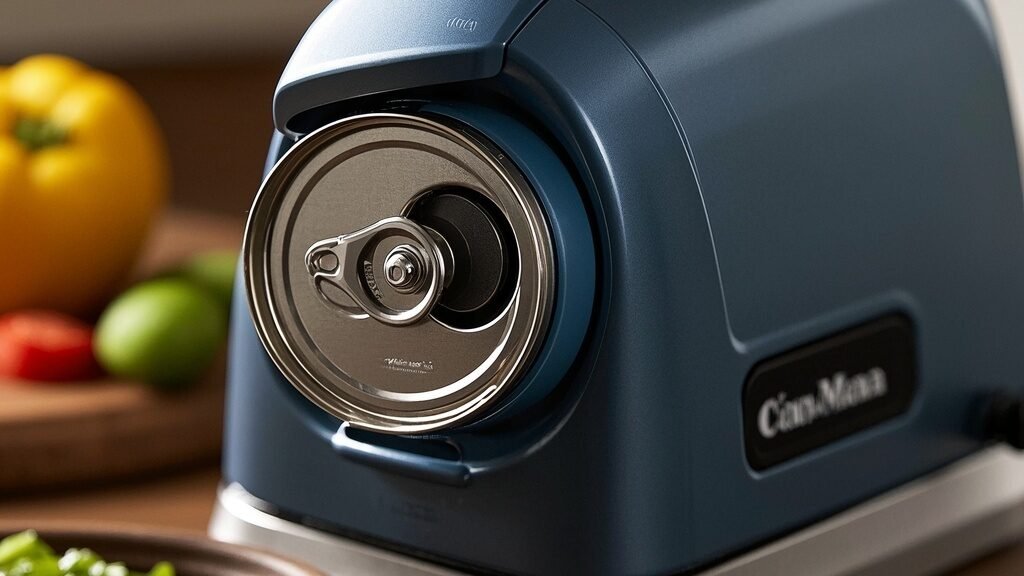
Can One-Touch Can Openers Help Weak Hands?
Imagine the simple act of opening a can of soup becoming a daily source of frustration and anxiety. For millions of seniors or individuals with arthritis, weak grip strength, or limited hand mobility, this is a common kitchen reality. Traditional manual can openers require significant twisting force and precise finger coordination, turning a basic task into a painful challenge. The good news is that modern kitchen tools, specifically designed for accessibility, are changing this narrative. A new generation of safety can openers and electric models promises to restore independence and confidence. This article explores how these innovative can openers for seniors and those with weak hands work, their key safety features, and how to choose the right one for a pain-free kitchen experience.
Understanding the Challenges: Why Traditional Openers Fail
To appreciate the innovation behind accessible can openers, it’s important to understand where standard models fall short. A typical manual opener demands a firm, sustained grip to clamp onto the can’s rim, followed by a continuous twisting motion of a small, often slippery, knob. This action engages multiple hand joints and muscles, which can be excruciating for someone with arthritis or diminished strength. The risk of slippage is high, potentially leading to cuts or spills. Furthermore, the sharp, exposed lid left behind is a significant safety hazard.
Key Pain Points Addressed: Modern accessible openers specifically target these issues. They eliminate the need for strong grip strength and twisting motions. Instead, they rely on leverage, magnetic lid holders, or fully automated electric operation. The goal is to transform a high-effort, two-handed task into a simple, one-touch or minimal-effort operation, drastically reducing strain on fingers, wrists, and hands.
Key Features of Safe and Easy-to-Use Can Openers
Not all “easy-open” can openers are created equal. When shopping for a user with limited hand function, specific features are non-negotiable for both safety and ease of use. These features work together to create a seamless and secure experience.
Safety and Ease-of-Use Checklist: First, look for a smooth, pain-free operation. This often means large, easy-to-press buttons or paddles instead of small knobs. Electric models that start with a simple push are ideal. Second, a magnetic lid holder is a critical safety feature. It automatically grabs and lifts the cut lid away from the can, so fingers never have to touch the sharp metal edge. Third, consider the clamping mechanism. Side-cutting or under-the-rim openers that attach automatically with a lever are far easier than traditional top-clamping models. Finally, stability is key. A unit with a strong suction base or weighted design won’t slide around during use, providing crucial stability for users with shaky hands.
Top Recommendations: From Simple Leverage to Full Automation
The market offers a range of solutions, from brilliantly simple manual designs to fully electric appliances. Your choice depends on the user’s specific level of strength and dexterity.
For Moderate Weakness or Arthritis: A high-quality, side-cutting manual opener with a large, ergonomic turning knob and built-in lid lifter can be a game-changer. These require significantly less force than traditional models. Brands like OXO Good Grips are renowned for their comfortable, oversized handles that distribute pressure and are easy to grasp.
For Significant Weakness or Limited Mobility: This is where electric and one-touch openers shine. A basic electric can opener requires only that you position the can and press a large button. The motor does all the work, cutting the lid cleanly and usually holding it magnetically. For the ultimate in independence in the kitchen, consider a hands-free or “one-touch” electric model. These often feature an automatic sensor that starts the cutting process as soon as the can is placed into position, requiring no button press at all. They represent the pinnacle of accessible design.
Practical Tips and Safety Considerations
Choosing the right tool is the first step; using it safely and effectively is the next. Always ensure the opener is placed on a clean, dry, and stable surface before use. For electric models, keep the cord neatly tucked away to prevent tripping. Even with a magnetic lid holder, it’s wise to dispose of the sharp lid immediately into a recycling bin or a dedicated container. Regularly clean the cutting wheel and mechanism according to the manufacturer’s instructions to prevent food buildup, which can hinder performance and hygiene. Most importantly, encourage the user to take their time and find a comfortable, stable stance while operating the device.
Reclaiming Confidence and Independence
The right kitchen tool can do more than just open a can; it can reopen a sense of autonomy. For seniors or anyone dealing with the challenges of weak hands, a well-chosen can opener removes a barrier to simple meal preparation. It reduces reliance on others for a fundamental task and minimizes the fear of pain or injury. This small victory in the kitchen can contribute significantly to overall well-being and the joy of cooking at home.
Who Should Consider a One-Touch Can Opener? Anyone for whom a traditional can opener causes pain, frustration, or safety concerns should explore these accessible alternatives. This includes seniors, individuals with arthritis, carpal tunnel syndrome, Parkinson’s disease, or anyone recovering from hand or wrist surgery. Investing in a thoughtful, safety-focused design is an investment in daily comfort and independence. Find the perfect can opener for your needs below!
Related Guides:
- Best Rated Can Openers 2026 (All Categories)
- Best Can Opener for Seniors with Weak Grip (2026 Top Picks)
- Best Can Opener for Arthritis Patients (2026 Pain-Free Picks)
- Best Can Opener for Stroke Survivors (2026 Easy-Use Picks)
- Best Electric Can Opener (2026 Top-Rated Automatic Models)
- Best Hands-Free Can Opener (2026 No-Grip Effort Models)
- Best Manual Can Opener (2026 Ergonomic Low-Effort Models)
- Best Sharp-Edge-Free Can Opener (2026 Safe No-Cut Models)