Can People with Arthritis Open Cans Easily?
Picture a simple kitchen task that suddenly feels like a monumental challenge. For millions living with arthritis, weak grip strength, or limited hand mobility, the humble can of soup or beans can become a frustrating, and sometimes painful, barrier to preparing a meal. The twisting, pressing, and torque required by a traditional can opener isn’t just difficult; it can be impossible. This daily hurdle chips away at the confidence and independence that cooking at home provides. The good news is that a new generation of kitchen tools is designed specifically to solve this problem. Modern safety can openers and can openers for seniors are engineered to restore autonomy, turning a source of frustration back into a simple step in the cooking process.
Why Traditional Can Openers Fail for Arthritic Hands
To understand the solution, it’s helpful to know why standard openers cause so much trouble. Most manual models require significant grip strength to clamp onto the can’s rim and sustained rotational force to turn the key. This combination of pinching and twisting is precisely the motion that aggravates painful joints in the hands, wrists, and forearms. Electric openers, while removing the turning effort, often have small, stiff buttons and a clamping mechanism that still demands downward pressure.
The Pain Points: Key challenges include the need for bilateral coordination (using both hands in sync), fine motor control to align the cutter, and the sheer physical force needed. For someone with arthritis, this isn’t just inconvenient; it can lead to dropped cans, spilled food, or even injury from a sharp lid. The result is often reliance on others, which can feel diminishing.
Features to Look for in an Arthritis-Friendly Can Opener
Not all “easy” openers are created equal. When shopping for a can opener for weak hands, prioritize these design features that promote pain-free operation.
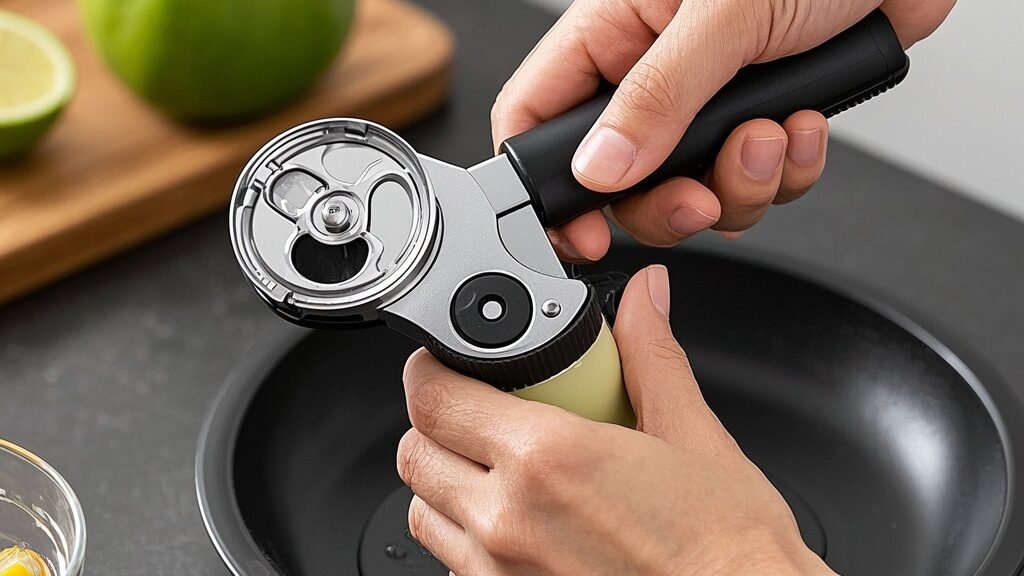
Ergonomic and Oversized Handles: Look for large, soft-grip handles that distribute pressure across the palm instead of concentrating it on the fingers. Contoured shapes that fit naturally in the hand reduce strain. Some models feature looped handles that allow you to use your whole arm for leverage, bypassing the fingers entirely.
Automatic Operation and Safety: This is where safety can openers truly shine. The best models do almost all the work for you. You simply place the opener on the can, press a button, and it automatically clamps, pierces, and rotates around the rim hands-free. It then stops and lifts the lid off, leaving a smooth, safe edge. This eliminates twisting, gripping, and contact with sharp metal.
Stability and Ease of Use: A wide, stable base is crucial to prevent the can from tipping. Magnetic lid lifters are a fantastic feature, as they remove the need to pry or touch the sharp lid. Consider the weight of the opener itself; a heavier base can be more stable, but it must still be manageable to lift and store.
Top Can Opener Styles for Enhanced Independence
Based on user reviews and occupational therapist recommendations, several styles stand out for promoting independence in the kitchen.
Fully Automatic Electric Safety Openers: These are often the top recommendation. Brands like Hamilton Beach and OXO offer models where the entire process is motorized. They provide maximum independence with minimal physical demand, making them ideal for severe arthritis or very weak hands.
Side-Cutting or “Smooth Edge” Openers: These manual or electric openers cut the can from the side, under the rim, leaving a perfectly smooth lid and can edge. This is a critical safety consideration for elderly users, as there are no sharp edges to cut fingers. They often require less downward force than top-cutting models.
Lever-Style or “Punch” Openers: These manual tools use a simple lever action to puncture and peel the lid. They require a different motion that some find easier than twisting, and they create a safe, folded edge. They are generally compact and easy to clean.
Practical Tips and Safety for Everyday Use
Choosing the right tool is the first step. Using it effectively and safely is the next.
Positioning is Key: Always operate your can opener on a clean, dry, and stable countertop. Ensure the can itself is clean and dry on the top to prevent the opener from slipping. If standing is difficult, perform the task seated at a sturdy table.
Maintenance for Longevity: Keep the cutting wheel clean and free of food debris. For electric models, check the batteries or power cord regularly. A dull or gummed-up cutter requires more force to operate, defeating the purpose of an easy-use tool.
Creating a Safe Kitchen Environment: Pair your new can opener with other adaptive tools like jar openers, ergonomic utensils, and non-slip mats. Plan your cooking so you aren’t rushed, reducing the risk of accidents. Most importantly, don’t force a tool that isn’t working comfortably—try a different style.
Who Should Consider a Safety Can Opener? If arthritis, hand weakness, or limited mobility makes opening cans a dreaded task, investing in a specialized opener is a decision toward greater independence and safety. It’s a simple tool that can have a profound impact on daily life in the kitchen. Find the perfect can opener for your needs below and reclaim the joy of cooking for yourself!
Related Guides:
- Best Rated Can Openers 2026 (All Categories)
- Best Can Opener for Seniors with Weak Grip (2026 Top Picks)
- Best Can Opener for Arthritis Patients (2026 Pain-Free Picks)
- Best Can Opener for Stroke Survivors (2026 Easy-Use Picks)
- Best Electric Can Opener (2026 Top-Rated Automatic Models)
- Best Hands-Free Can Opener (2026 No-Grip Effort Models)
- Best Manual Can Opener (2026 Ergonomic Low-Effort Models)
- Best Sharp-Edge-Free Can Opener (2026 Safe No-Cut Models)