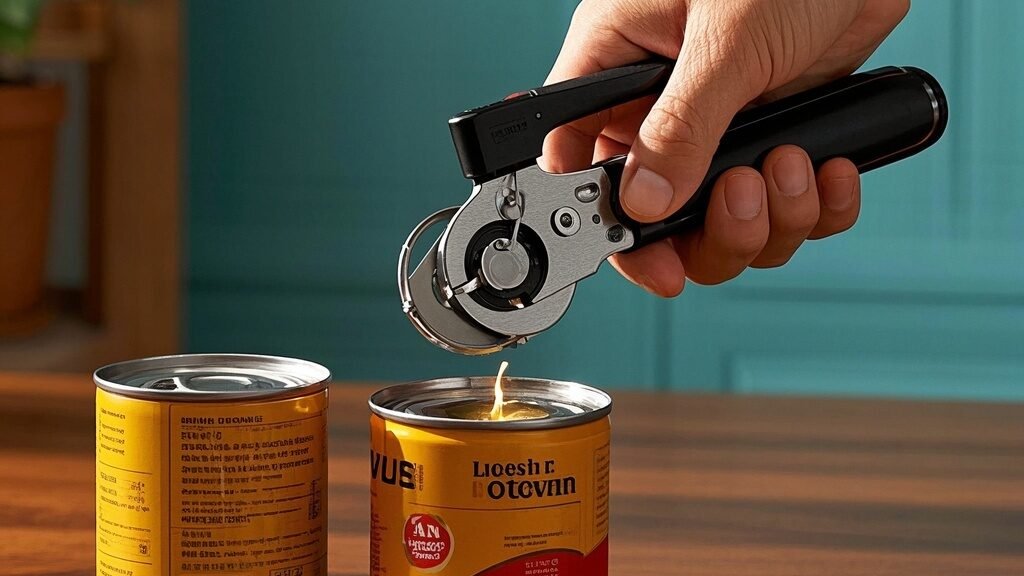
Can You Open Cans Without Twisting Your Wrist?
Opening a can of soup or beans shouldn’t feel like a feat of strength or a test of endurance. For millions of Americans, particularly seniors and those managing conditions like arthritis, carpal tunnel, or general weakness in the hands, the simple twist-and-pry motion of a traditional can opener is a source of real pain and frustration. It can turn a basic kitchen task into a daunting barrier to independence. The good news is that kitchen innovation has squarely addressed this challenge. Modern safety can openers and can openers for seniors are specifically engineered to eliminate wrist strain and provide a pain-free, secure way to access your food.
Why Traditional Openers Fall Short for Weak Hands and Arthritis
Standard manual can openers require a firm, sustained grip and a repetitive twisting motion of the wrist and forearm. This action puts significant stress on the joints and tendons in the hand, which is precisely where arthritis pain and weakness manifest. The force needed to puncture the lid and then rotate the opener around the rim can be overwhelming, leading to dropped cans, incomplete cuts, or even injury from sharp edges.
Key Pain Points: The primary issues are grip strength and rotational force. Conditions like osteoarthritis degrade cartilage in the finger joints, making a tight grip painful. Rheumatoid arthritis causes inflammation in the wrist, making twisting motions unbearable. A good can opener for weak hands must solve both problems simultaneously.
Features of a Truly Accessible and Safe Can Opener
When shopping for an opener designed for limited mobility or pain, look for specific features that transform the user experience. These design elements work together to maximize safety and minimize effort.
Ergonomic Design and Easy-Grip Handles: Look for large, padded, or contoured handles that distribute pressure across the palm rather than concentrating it on the fingers. Some models feature oversized, soft-grip dials or levers that are easier to manipulate with arthritic hands or reduced dexterity.
Leverage-Based or Automatic Operation: This is the most critical feature. Side-cutting or “smooth-edge” openers use a rolling wheel to cut the lid from the side, leaving a safe, smooth rim. They often employ a large lever that requires only a gentle up-and-down pumping motion, using arm strength instead of wrist rotation. Electric openers take this further, doing all the work at the press of a button.
Safety-First Lid Handling: The best models address the dangerous lid itself. Look for openers that magnetically hold the cut lid, lifting it completely off the can and away from your fingers. Smooth-edge designs leave no sharp metal on the can or the lid, a major safety upgrade.
Practical Tips for Choosing and Using Your Opener
Selecting the right tool is the first step; using it effectively ensures long-term success and safety in the kitchen.
Test the Grip (If Possible): Before purchasing, if you’re in a store, mimic the holding motion. Does the handle feel comfortable in your palm without requiring you to curl your fingers tightly? Is the mechanism for activating it (button, lever, dial) easy to reach and push?
Prioritize Stability: Ensure the opener has a strong base or clamping mechanism that securely attaches to the can. A wobbly opener requires you to use stabilizing hand strength, defeating its purpose. Many models have strong suction cups or vise-like grips.
Maintenance for Ease: Keep the cutting wheel clean and free of food debris. A quick wipe after use prevents gunk buildup that can make the mechanism harder to turn. For electric models, ensure batteries are fresh or the charger is accessible.
Top Can Opener Styles for Effortless Operation
Based on user reviews and ergonomic principles, several styles stand out for providing pain-free can opening.
1. Lever-Style (Smooth Edge) Openers: Often hailed as the best overall for seniors. They clamp onto the side of the can. You then pump a large lever; this action turns the can, not your wrist. The lid is cut from the side, leaving a smooth edge, and is typically held magnetically. It requires minimal grip and zero twisting.
2. Electric Can Openers: The ultimate in low-effort operation. You position the can, press a button, and the machine does the rest. This is ideal for those with very limited hand strength or severe arthritis. The main considerations are counter space, power source (corded vs. battery), and ensuring the automatic shut-off and magnetic lid lifter functions reliably.
3. Large-Dial or Rocker Openers: These manual openers replace the small twist knob with a large, easy-to-turn dial or a rocking mechanism that uses palm pressure. They offer a good middle ground for those who prefer manual tools but need a more forgiving motion than a traditional twist.
Safety Considerations Beyond the Opener
Independence in the kitchen also means creating a safe environment. Pair your new opener with these smart habits.
Clear Workspace: Ensure your counter is clear and dry before starting. A stable, non-slip surface is crucial for safely operating any can opener, especially lever-style models.
Lid Disposal: Even with magnetic lifters, have a small container designated for lids next to your work area. Immediately place the removed lid inside to avoid accidental cuts and clutter.
Can Inspection: Before opening, check for any severe dents, bulges, or rust on the can, which could indicate spoilage or make opening more difficult and dangerous. When in doubt, throw it out.
Reclaiming the simple joy of preparing a meal for yourself starts with removing the small, painful obstacles. The right kitchen tool doesn’t just perform a task—it restores a sense of capability and autonomy. Who Should Consider a Safety Can Opener? Anyone for whom a traditional opener causes pain, slippage, or anxiety—whether due to arthritis, injury, weak grip, or simply a desire for a safer, easier kitchen. Find the perfect can opener for your needs and enjoy pain-free independence in the kitchen today!
Related Guides:
- Best Rated Can Openers 2026 (All Categories)
- Best Can Opener for Seniors with Weak Grip (2026 Top Picks)
- Best Can Opener for Arthritis Patients (2026 Pain-Free Picks)
- Best Can Opener for Stroke Survivors (2026 Easy-Use Picks)
- Best Electric Can Opener (2026 Top-Rated Automatic Models)
- Best Hands-Free Can Opener (2026 No-Grip Effort Models)
- Best Manual Can Opener (2026 Ergonomic Low-Effort Models)
- Best Sharp-Edge-Free Can Opener (2026 Safe No-Cut Models)