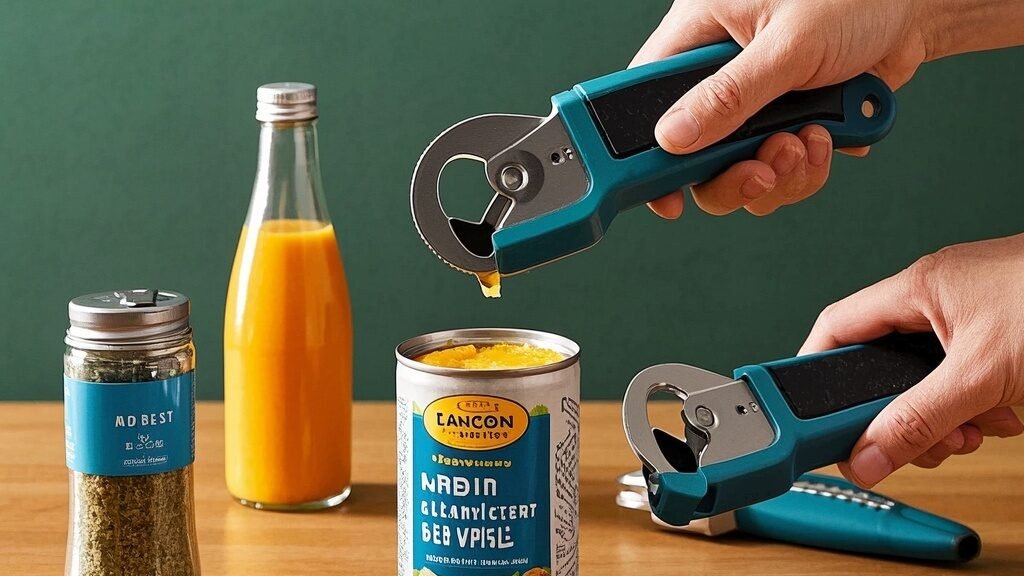
What Is Best Can Opener for One-Handed Seniors?
Imagine trying to prepare a simple meal, but the simple act of opening a can of soup becomes a frustrating, painful, or even dangerous task. For many seniors, especially those with arthritis, weak grip strength, or limited mobility in one hand, this is a daily reality. The familiar struggle with a traditional, manual can opener can turn a moment of independence into one of dependence. The good news is that kitchen tool innovation has created a new category of openers designed specifically for safety and ease. Finding the best can opener for one-handed seniors isn’t just about convenience; it’s about reclaiming autonomy in the kitchen with tools that prioritize pain-free operation and security.
Why Standard Can Openers Fail Seniors
Traditional swing-arm can openers require significant hand strength, precise wrist motion, and a firm, two-handed grip. For someone with arthritis, this twisting and squeezing motion can be excruciating. Weak hands may not generate enough force to puncture the lid, and limited dexterity can make aligning the cutter wheel difficult. The sharp, exposed edges of a cut lid are a significant laceration risk, especially if hands tremble. These challenges highlight why a specialized safety can opener is not a luxury but a necessity for maintaining kitchen independence safely.
Key Features of a Senior-Friendly Can Opener
Ergonomics and Grip
Look for openers with large, soft-grip handles that distribute pressure across the palm, not just the fingers. Contoured shapes that fit naturally in the hand reduce strain. Some models feature lever-style operation or oversized dials that are easier to turn with a whole hand or the heel of the palm, minimizing fine motor requirements.
Safety-First Design
The hallmark of a true safety can opener for seniors is how it handles the lid. The best models leave a perfectly smooth edge on the can, eliminating sharp, jagged metal. They either remove the lid completely (often magnetically) or fold it down safely inside. This design virtually eliminates the risk of cuts, a critical consideration for users on blood thinners or with sensitive skin.
Mechanical Advantage and Operation
Gear-driven or electric openers provide the mechanical advantage needed for weak hands. A smooth, slow-turning crank is far easier than a fast, stiff one. Electric openers offer the ultimate in one-handed operation—simply position the can and press a button. They require minimal strength and no twisting motion, making them ideal for severe arthritis or single-hand use.
Top Can Opener Styles for Limited Mobility
Side-Cutting / Smooth-Edge Openers
These are often the top recommendation. They cut the can from the side, under the rim, leaving a perfectly smooth edge. The lid is typically held magnetically, allowing for easy disposal. They require a turning motion but often have large, easy-grip dials. This style is a fantastic balance of safety and manual operation.
Lever-Style / “One-Touch” Openers
These openers use a simple lever-pulling mechanism. You clamp the device onto the can and pull a large lever down. It requires more initial grip strength to clamp but then uses leverage to do the hard work. They can be good for those with limited wrist mobility but decent hand strength.
Electric Can Openers
For maximum ease and minimal effort, an electric opener is unbeatable. Most operate with a single button press and do all the work automatically, stopping when the cut is complete. They are excellent for one-handed users and those with very weak grip or significant pain. The main considerations are counter space and ensuring the power cord is safely managed.
Wall-Mounted or Stabilizing Openers
Some manual openers feature a suction base or are designed to be mounted under a cabinet. This provides stability, so the user doesn’t have to hold the can steady with one hand while operating the opener with the other—a major benefit for one-handed seniors.
Practical Tips for Choosing and Using a Can Opener
Before purchasing, consider the user’s specific limitations. Can they apply downward pressure? Do they have any wrist rotation? Test different handle shapes if possible. When using a new opener, always read the instructions and practice on an empty can first. For electric models, place the opener on a stable, dry surface away from the sink. Keep the cutting mechanism clean and free of food debris to ensure smooth operation; many modern safety openers are dishwasher safe for easy cleaning.
It’s also wise to have a backup plan. Even the best opener can malfunction. Keep a simple, lightweight manual safety opener in a drawer as a spare. Regularly check the opener for signs of wear, especially on the cutting wheel, and replace it if cutting becomes difficult or uneven, as this can create sharp edges.
Safety Considerations Beyond the Opener
A safe kitchen environment is holistic. Ensure countertops are clear to provide ample space for the task. Use a non-slip mat under the can or opener to prevent spinning. Consider transferring contents from a freshly opened can to a separate, non-breakable container to avoid accidental contact with the inner rim, which can still be slightly sharp even from a safety opener. Good lighting is essential to see the alignment clearly.
Who Should Consider a Specialized Can Opener?
If you or a loved one experiences pain, weakness, or frustration when using a standard can opener, it’s time for an upgrade. This is especially true for seniors with arthritis, Parkinson’s disease, post-stroke recovery, or general age-related weakness. Investing in a well-designed safety can opener is an investment in continued independence, nutritional health (by making canned goods accessible), and peace of mind. Find the perfect can opener for your needs below and transform a daily challenge into a simple, safe task!
Related Guides:
- Best Rated Can Openers 2026 (All Categories)
- Best Can Opener for Seniors with Weak Grip (2026 Top Picks)
- Best Can Opener for Arthritis Patients (2026 Pain-Free Picks)
- Best Can Opener for Stroke Survivors (2026 Easy-Use Picks)
- Best Electric Can Opener (2026 Top-Rated Automatic Models)
- Best Hands-Free Can Opener (2026 No-Grip Effort Models)
- Best Manual Can Opener (2026 Ergonomic Low-Effort Models)
- Best Sharp-Edge-Free Can Opener (2026 Safe No-Cut Models)