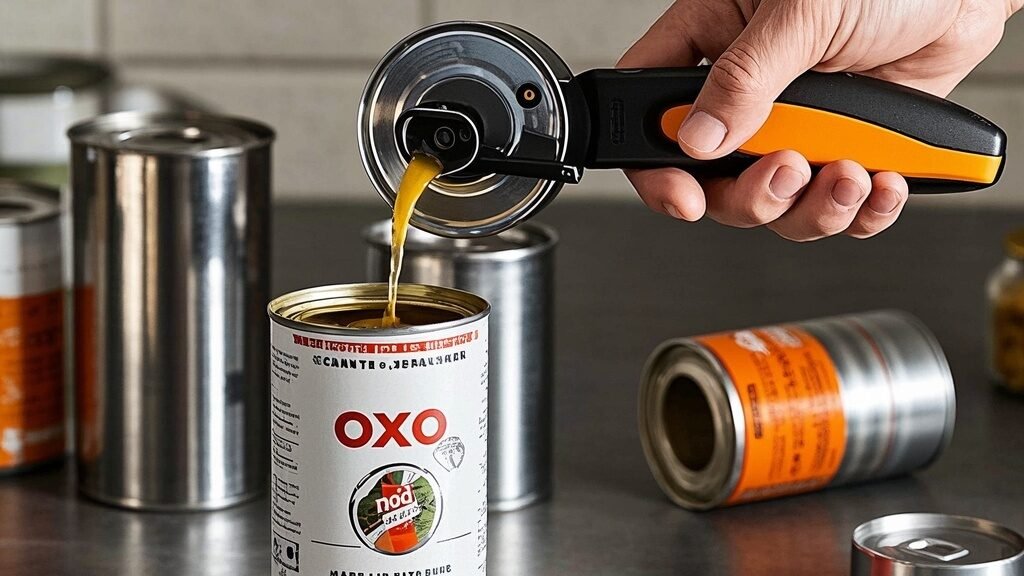
What Can Opener Is Best for Reduced Hand Control?
Opening a simple can of soup shouldn’t feel like a workout. For millions of Americans living with arthritis, reduced grip strength, or limited hand mobility, that’s exactly what it becomes. The struggle with a traditional, manual opener—the twisting, the pressure, the sharp edges—can turn a basic kitchen task into a source of frustration and even pain. The right safety can opener isn’t just a convenience; it’s a tool that reclaims independence and brings confidence back to the kitchen. By focusing on innovative designs that prioritize ease of use and eliminate strain, these specialized openers make daily life simpler and safer.
Key Features to Look for in a Senior-Friendly Can Opener
Not all openers labeled “easy” are created equal. When searching for the best can opener for seniors or anyone with hand limitations, specific design elements make all the difference. The goal is to minimize the force and dexterity required while maximizing safety and control.
Ergonomic Design and Grip
Look for openers with large, soft-grip handles. These contours fit comfortably in the palm, distributing pressure and reducing the need for a tight, pinching grip. A wider handle span can also be beneficial, as it allows you to use the strength of your whole hand rather than just your fingers.
Mechanical Advantage and Effortless Operation
This is where gear-driven or electric models shine. A quality can opener for weak hands uses a system of gears to multiply your input force. This means a gentle squeeze or turn creates enough power to cut smoothly through the lid, requiring minimal strength from the user. Electric models take this a step further, removing the turning motion entirely.
Top Can Opener Styles for Enhanced Safety and Ease
Understanding the different types available helps you match the tool to the individual’s specific needs and abilities. Each style offers a unique approach to solving the challenge of pain-free can opening.
Smooth-Edge (Safety) Can Openers
This is arguably the most important innovation for safety. Instead of cutting through the top of the can, these openers roll the lid off from underneath, leaving a perfectly smooth edge. There are no sharp, jagged metal rims to cut fingers or risk falling into the food. For users with reduced sensation or control, this feature is non-negotiable.
Electric Can Openers
For maximum ease of use, an electric opener is often the top choice. Operation is typically one-handed: you place the can, press a lever or button, and the machine does the work. It requires zero grip strength, twisting, or pushing. Many feature automatic shut-off and magnetic lid lifters for hands-free operation. The main considerations are counter space and ensuring the user is comfortable with an electric appliance.
Side-Mounted or Wall-Mounted Openers
These openers are fixed to a countertop edge or wall. You slide the can into place, which provides incredible stability. This design allows the user to apply downward pressure with their body weight if needed, rather than relying solely on hand and arm strength to hold the opener steady. It’s a brilliant solution for significant weakness or tremors.
Large-Lever or Rocker-Style Openers
These manual openers use a long lever to create significant mechanical advantage. A simple press down on the large lever drives the cutting wheel through the lid with very little effort from the hand. They are often cordless, simple, and don’t require a power outlet.
Practical Tips and Safety Considerations for Daily Use
Choosing the right tool is the first step. Implementing smart practices ensures long-term success and safety in the kitchen. A little foresight can prevent accidents and make the process even smoother.
Setup and Maintenance for Success
Always ensure the opener is securely attached if it’s a mounted model, and placed on a stable, non-slip surface if it’s countertop. Keep the cutting wheel clean and free of food debris; a dull or dirty wheel requires more force to operate. A drop of food-grade mineral oil on the gears occasionally can keep manual models turning smoothly.
Creating a Safe Kitchen Environment
Pair your easy-to-use opener with other adaptive tools. Use a non-slip mat under the can to prevent spinning. Consider a lightweight, ergonomic jar opener for other containers. Most importantly, never force an opener that isn’t catching correctly—realign the can and start again. For electric models, always unplug the device before cleaning or if it becomes jammed.
Prioritizing Independence and Confidence
The ultimate goal of these tools is to support autonomy. Allow time for practice with the new opener. What seems simple to one person may require a new technique for another. The right can opener for limited mobility should feel like an extension of the hand, not a battle of wills.
Who Should Consider a Specialized Can Opener?
If you or a loved one hesitates before a pantry full of cans, dreads the ache in your hands after opening one, or worries about cuts from sharp lids, it’s time for a change. A dedicated safety or easy-grip can opener is ideal for seniors, individuals with arthritis, Parkinson’s disease, carpal tunnel, stroke recovery, or anyone experiencing generalized hand weakness or pain. It’s a small investment that pays dividends in daily comfort, safety, and self-reliance. Find the perfect can opener to restore joy and independence to your kitchen routine below!
Related Guides:
- Best Rated Can Openers 2026 (All Categories)
- Best Can Opener for Seniors with Weak Grip (2026 Top Picks)
- Best Can Opener for Arthritis Patients (2026 Pain-Free Picks)
- Best Can Opener for Stroke Survivors (2026 Easy-Use Picks)
- Best Electric Can Opener (2026 Top-Rated Automatic Models)
- Best Hands-Free Can Opener (2026 No-Grip Effort Models)
- Best Manual Can Opener (2026 Ergonomic Low-Effort Models)
- Best Sharp-Edge-Free Can Opener (2026 Safe No-Cut Models)