Can People with Disabilities Open Cans Independently?
Imagine standing in your kitchen, a simple can of soup in hand, yet the task ahead feels insurmountable. For millions of individuals with arthritis, limited hand strength, or mobility challenges, this everyday scenario represents a significant barrier to independence and nutrition. The frustration of a stubborn can lid isn’t just an inconvenience; it’s a reminder of a world designed without universal access in mind. However, the kitchen landscape is changing. Thanks to innovative safety can openers and adaptive tools, the answer to achieving independent can opening is a resounding yes. This guide explores how modern design is transforming a basic kitchen task into an accessible, safe, and empowering experience.
Understanding the Challenges: Why Standard Openers Fall Short
Traditional manual can openers require a specific combination of grip strength, wrist stability, and fine motor control. For someone with arthritis, the pinching and twisting motion can be painful. For those with weak hands or conditions like Parkinson’s, maintaining a secure grip and applying consistent pressure is nearly impossible. Electric openers often have small buttons and require precise alignment, posing their own difficulties. These challenges can lead to skipped meals, reliance on others, or even safety risks from using improper tools. Recognizing these barriers is the first step toward finding a solution that restores confidence and autonomy in the kitchen.
Key Features of Accessible Can Openers
When searching for the right tool, focus on designs that address specific physical limitations. Here are the critical features to look for in a can opener for seniors or individuals with disabilities.
Ergonomic and Pain-Free Operation
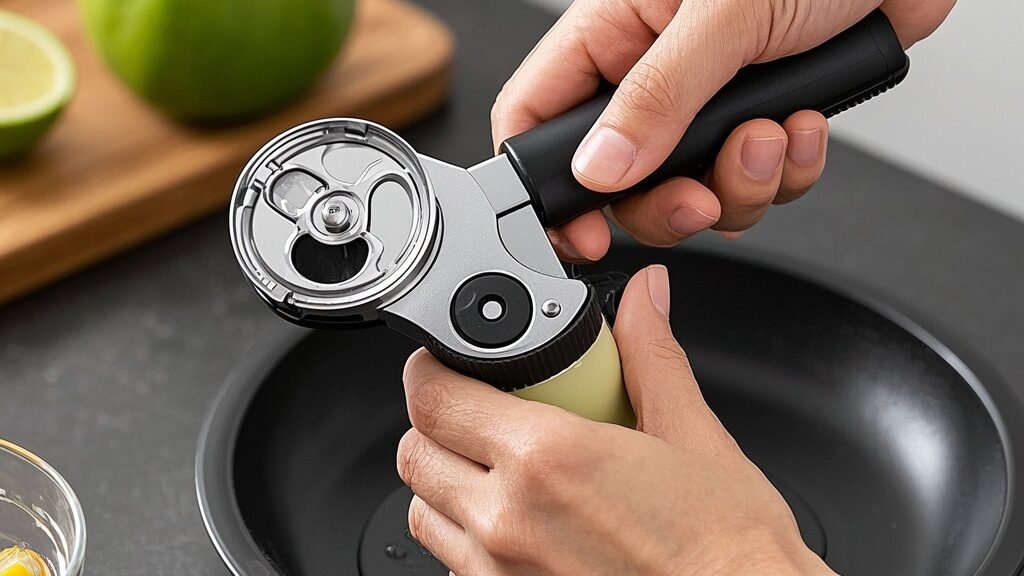
The best openers prioritize comfort. Look for large, soft-grip handles that distribute pressure across the palm, reducing strain on finger joints. Lever-style or rocker openers allow users to apply force with their arm or body weight instead of their hands. Some models feature extra-long handles for increased leverage, making the turning action effortless.
Enhanced Safety and Stability
Safety is paramount. A quality safety can opener leaves a smooth, rolled edge on the lid and the can itself, eliminating sharp, dangerous rims. This feature is crucial for preventing cuts. Furthermore, look for openers with strong magnetic lid lifters, which securely hold the lid after cutting, so you never have to touch it. Non-slip bases or powerful clamping mechanisms are also essential, as they secure the can firmly in place, allowing for one-handed operation if needed.
Top Can Opener Styles for Enhanced Independence
Not all accessible openers are the same. Different designs cater to varying levels of ability and preference.
Electric Can Openers: The Ultimate in Ease
For maximum independence with minimal effort, a hands-free electric can opener is often the top choice. The best models require only a simple press of a large, accessible button. They automatically clamp, pierce, and rotate the can, delivering a smooth-edged open can with the lid held magnetically. In our testing, these are ideal for individuals with very limited hand strength or severe arthritis, as they remove almost all physical demand from the process.
Adaptive Manual Openers: Simple and Reliable
If you prefer a manual tool or want a backup, several innovative designs exist. Side-cutting or “smooth-edge” openers use a different cutting mechanism that is often easier to turn. Lever-style openers, where you press a large handle down repeatedly, utilize arm strength instead of grip. These are excellent, low-tech options that are easy to clean and don’t require batteries or an outlet.
Practical Tips and Safety Considerations
Choosing the right opener is just the beginning. Implementing smart practices ensures long-term safety and success.
Creating an Accessible Kitchen Setup
Position your can opener on a stable, non-slip mat on the counter. Ensure the area is well-lit and that you have a clear path to dispose of the lid (a small bin placed nearby is helpful). If using an electric model, keep the cord managed to avoid tripping. For wheelchair users, consider under-cabinet mounted electric openers to save counter space and improve reach.
Essential Safety Reminders
Always inspect the can for dents or bulges before opening. Ensure the opener’s cutting mechanism is clean and sharp; a dull blade requires more force. After opening, use the magnetic lifter or a utensil to remove the lid—never your fingers. Immediately rinse the can’s smooth edge if the contents are acidic (like tomatoes) to prevent metallic taste. According to safety experts, taking these extra moments can prevent accidents and ensure food safety.
Maintenance for Longevity
Keep your opener clean by wiping it down after each use and periodically washing removable parts. For electric models, avoid getting the motor housing wet. A drop of mineral oil on the cutting wheel of a manual opener can keep it turning smoothly. A well-maintained tool is a safer and more reliable tool.
Who Should Consider a Safety Can Opener?
If you or a loved one experiences hand pain, weakness from aging or conditions like arthritis, tremors, or limited mobility, investing in an adaptive can opener is a decision that promotes dignity, safety, and independence. It transforms a daunting chore into a simple, manageable task. The right tool doesn’t just open cans; it opens up possibilities for easier, more confident living in your own home. Find the perfect can opener for your needs below!
Related Guides:
- Best Rated Can Openers 2026 (All Categories)
- Best Can Opener for Seniors with Weak Grip (2026 Top Picks)
- Best Can Opener for Arthritis Patients (2026 Pain-Free Picks)
- Best Can Opener for Stroke Survivors (2026 Easy-Use Picks)
- Best Electric Can Opener (2026 Top-Rated Automatic Models)
- Best Hands-Free Can Opener (2026 No-Grip Effort Models)
- Best Manual Can Opener (2026 Ergonomic Low-Effort Models)
- Best Sharp-Edge-Free Can Opener (2026 Safe No-Cut Models)